Loman Art House - B&B - Gallery - Cafe - Rooftop
Bed & breakfast · Dakar ·
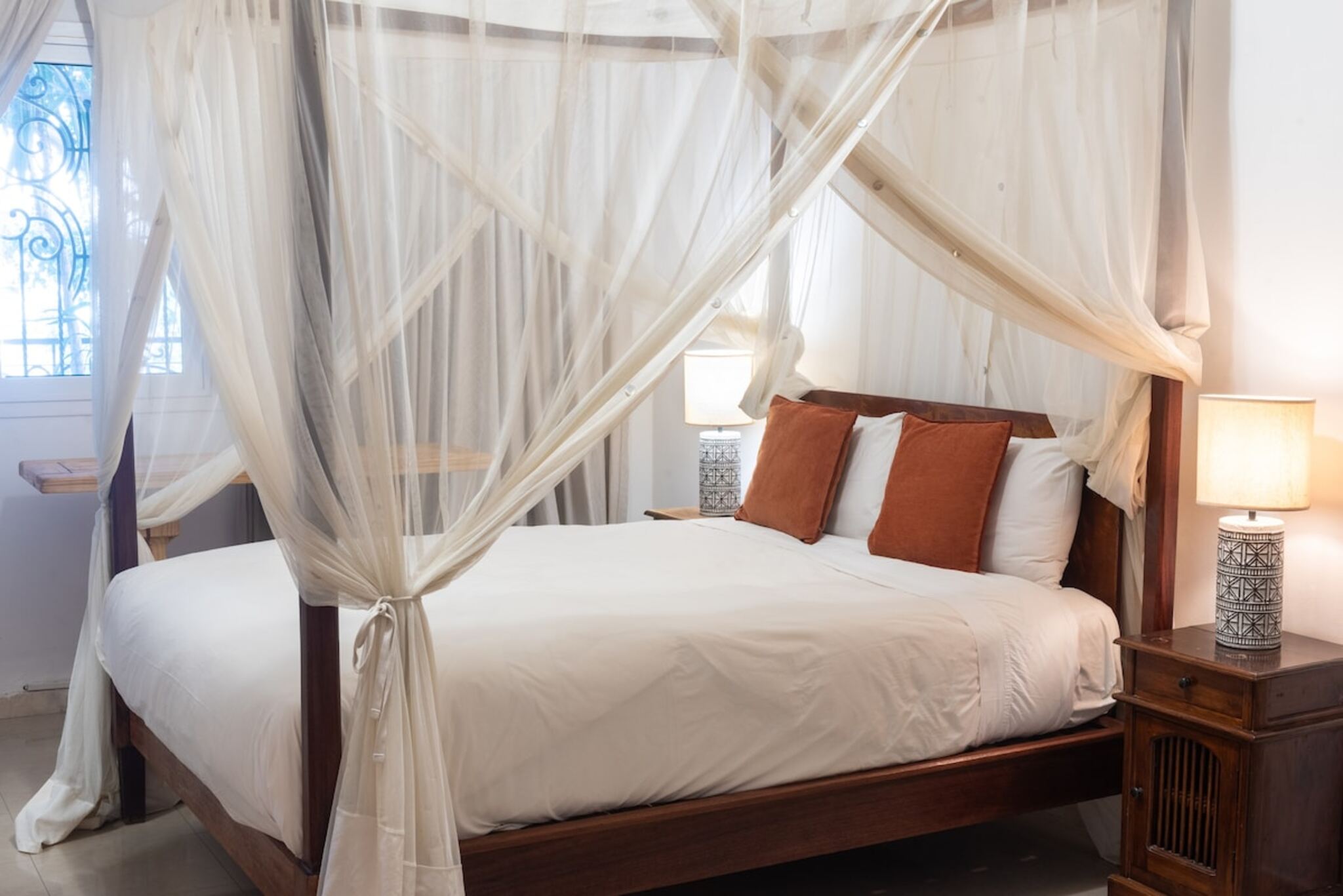
Art gallery, guesthouse, workshops, shared meals, rooftop bar


Information
villa no. 1 rue de pharmacy Atlantic Mamelles, Dakar 12500, Senegal Get directions
Art gallery, guesthouse, workshops, shared meals, rooftop bar
villa no. 1 rue de pharmacy Atlantic Mamelles, Dakar 12500, Senegal Get directions
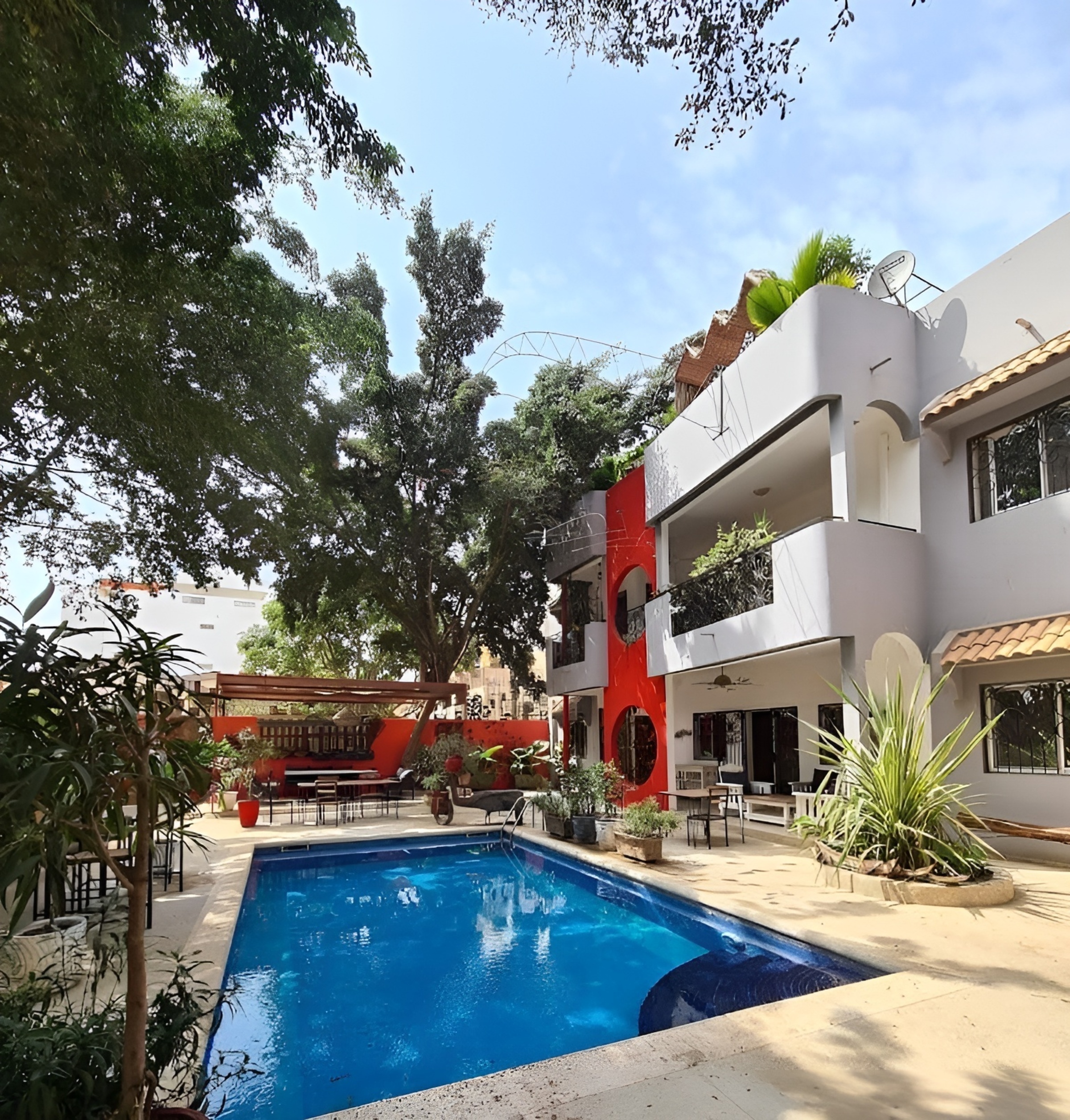
"Tucked in Ouakam, this boutique guesthouse doubles as a gallery and artists’ residency—my room’s balcony overlooked a courtyard where current residents worked, and around the property (pool included) I took in pieces by past residents like Benin-based Sènami Donoumassou; as owner Loman Pawlitschek told me on the rooftop, “The amount of talent out there is unbelievable,” and once artists become famous, they often move on to bigger galleries and museums around the world." - Kayla Stewart Kayla Stewart Kayla Stewart is an award-winning food and travel journalist. She writes a regular column for The Bittman Project and contributes to The New York Times, Travel + Leisure, The Wall Street Journal, and The Washington Post, among other publications. Travel + Leisure Editorial Guidelines
Peter S.
samarth K.
Google U.
Shantrice K.
Sandrine C.
Alexandra T.
Mariel C.
Agata W.
