Sal T. C.
Google
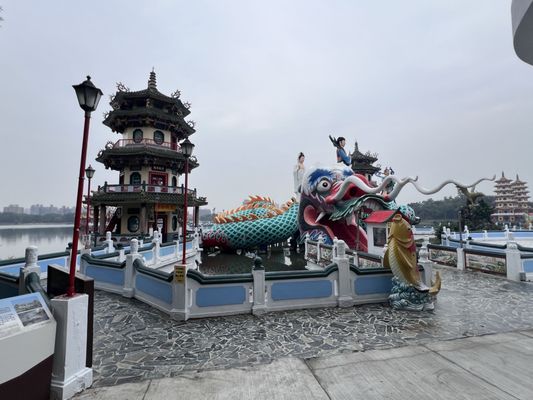
Lotus Pond in Kaohsiung is one of those places where you can truly find everything gathered around one area. It is not just a scenic spot, but a place that feels very alive and woven into daily life. Whether you live nearby or are visiting, there is always something happening around the pond.
One of the best parts is the morning market that opens daily. It is a great place to grab breakfast, fresh fruit, and local snacks. Monday mornings tend to be a bit slower and more relaxed, while weekends and holidays are much busier and full of energy. It is the kind of market where you can stroll, eat, and watch locals go about their routines.
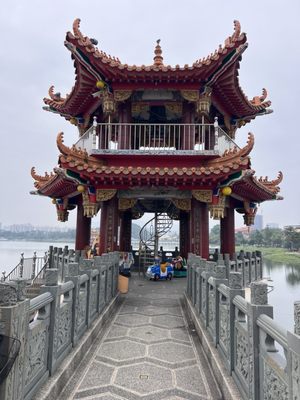
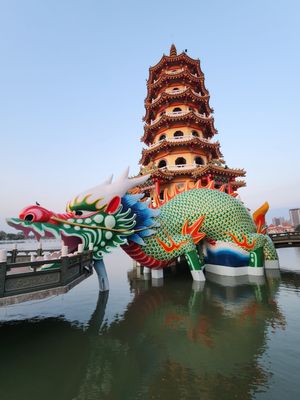
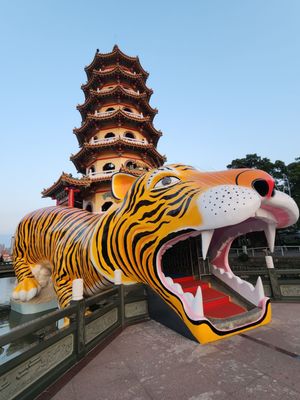
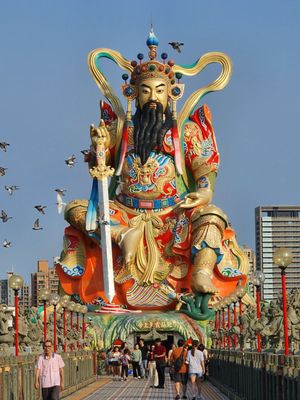
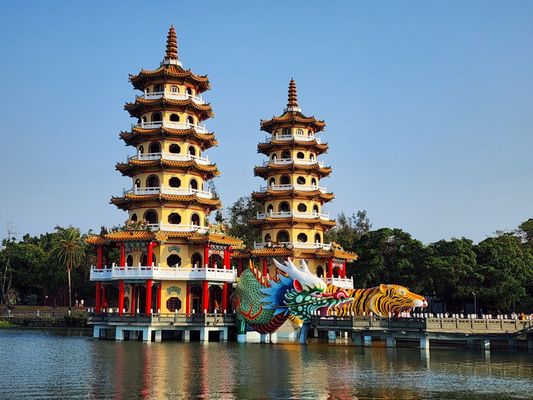
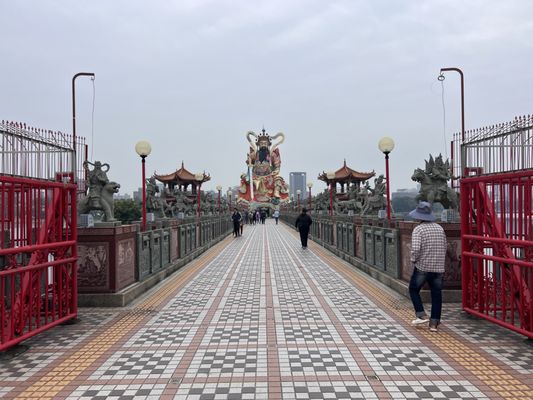
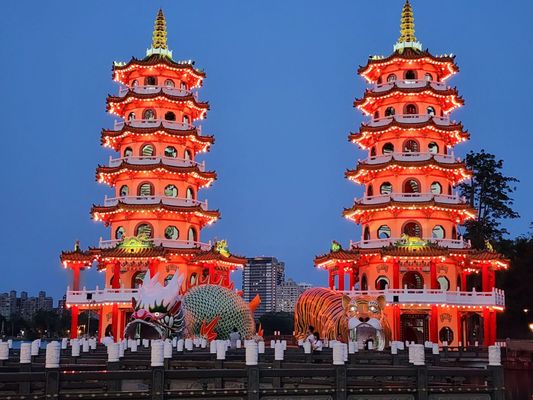
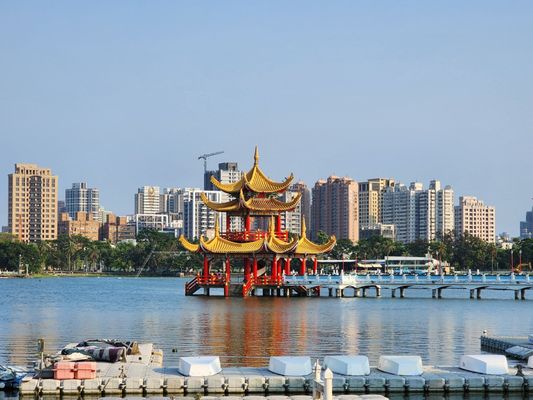
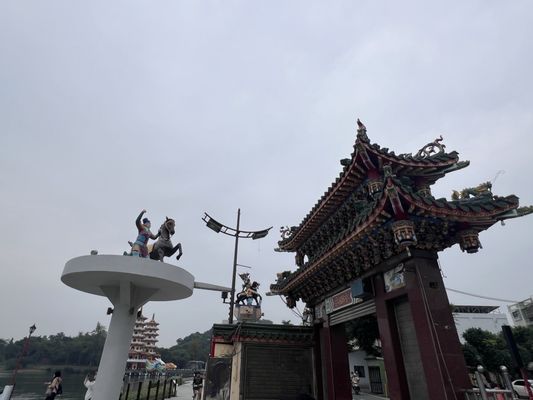
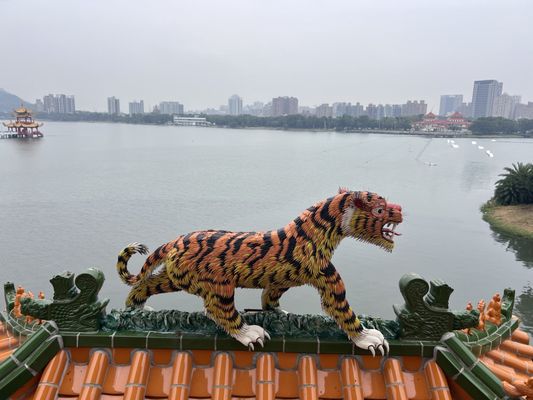
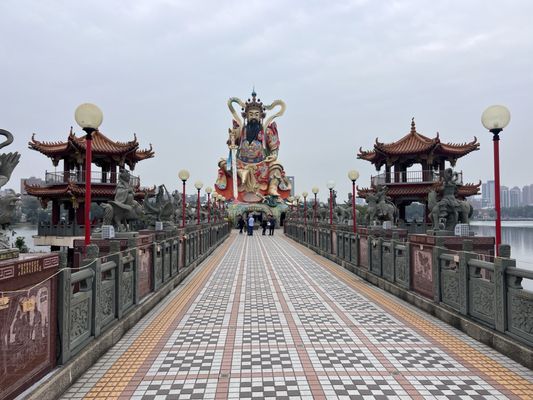
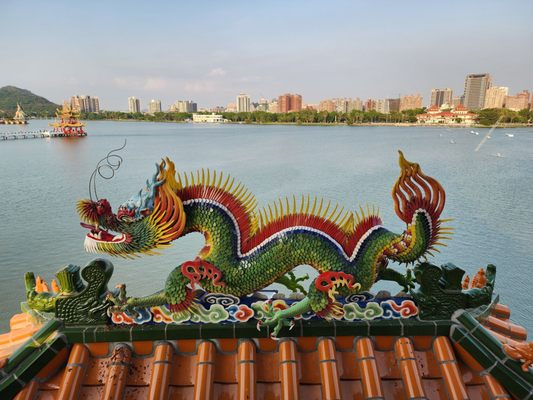
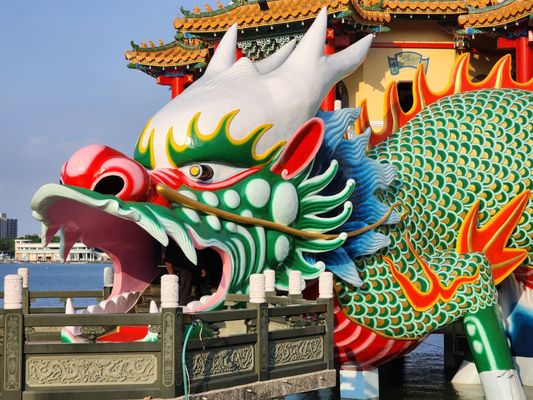
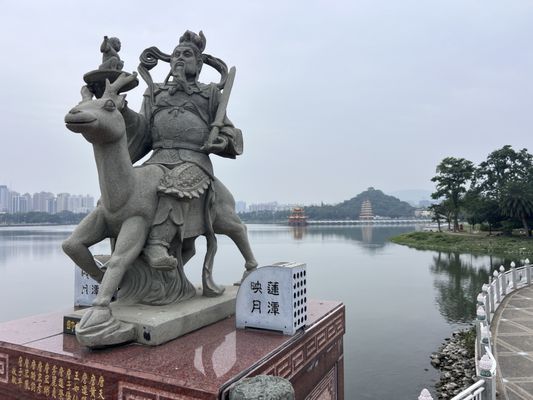
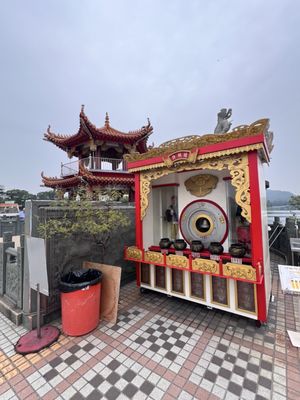
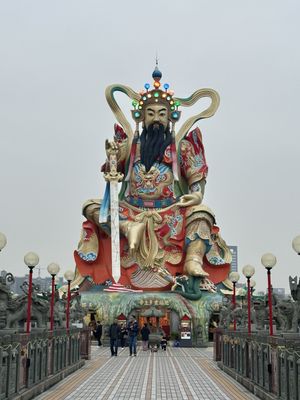
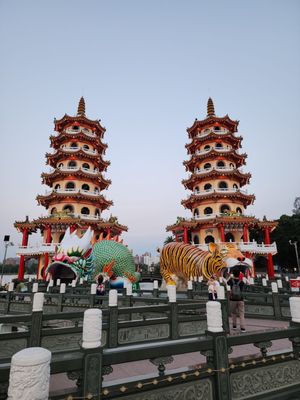
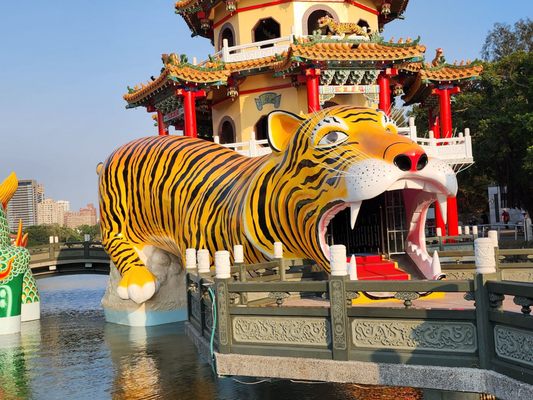
Around the pond you will also find a wakeboarding spot, which adds a fun and active side to the area, especially during hot weather. There are many temples scattered all around Lotus Pond, each with its own character and history, making it a fascinating place to walk and explore. Of course, the famous pagodas are a highlight and are always impressive to see, whether it is your first visit or your tenth.
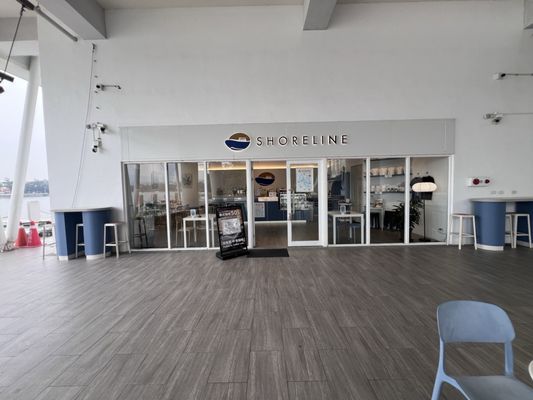
Daily conveniences are everywhere. There are plenty of convenience stores, boba tea stands, small restaurants, and shops, so you never have to go far for food or drinks. Kaohsiung American School is just a short walk away, which adds to the international and family friendly feel of the neighborhood. The HSR station is also nearby, making it very easy to travel to and from other cities in Taiwan.
Lotus Pond is a place where culture, food, nature, and everyday life all come together. You can exercise, sightsee, eat well, run errands, and relax all in one area. It is a unique and vibrant part of Kaohsiung that truly offers something for everyone.