Mafra National Palace
Castle · Mafra ·

Mafra National Palace

Castle · Mafra ·

Baroque palace, basilica, monastery; vast library with bats

Mafra National Palace by null
Mafra National Palace by Joseolgon/CC BY-SA 3.0
Mafra National Palace by Rosino/CC BY-SA 2.0
Mafra National Palace by Joseolgon/CC BY-SA 3.0
Mafra National Palace by Rosino/CC BY-SA 2.0
Mafra National Palace by null

Information

Terreiro D. João V, Mafra, Portugal Get directions

Information

Static Map

Terreiro D. João V, Mafra, Portugal Get directions

+351 261 817 550
palaciodemafra.pt
@palaciomafra
𝕏
@pnmafra

Features

payment credit card
Tap to pay

Last updated

Dec 10, 2025

Powered By

You might also like

Terms of Use • Privacy Policy • Cookie Policy
 © 2025 Postcard Technologies, Inc.
@cntraveler
41,178 Postcards · 5,521 Cities

32 Best Things to Do in Lisbon, Portugal's Sun-Soaked Capital | Condé Nast Traveler

"About 45 minutes from Lisbon, this magnificent former royal summer residence sprawls over four hectares with 1,200 rooms, an 18th-century hospital, Italian sculptures, Italian and Portuguese paintings, and an impressive library of rare 16th–18th-century books—enough to fill most of a day’s exploration." - Abigail Malbon

https://www.cntraveler.com/gallery/things-to-do-in-lisbon
Mafra National Palace
@afar
25,132 Postcards · 3,700 Cities

Why Lisbon's Culinary Scene Rivals Europe's Best Food Cities - AFAR

"A massive baroque palace and former royal retreat that pairs cultural exploration with local gastronomy; surrounding rich agricultural lands contribute to regional specialties. After touring the palace’s grandeur, visitors can sample traditional items such as pão de Mafra, a dense, dark bread made from local grains, and trouxas de ovos, a sweet, egg-based dessert with royal origins. Wines influenced by the nearby Atlantic climate are recommended complements to these flavors." - AFAR

https://www.afar.com/magazine/why-lisbons-culinary-scene-rivals-europes-best-food-cities
Mafra National Palace
@atlasobscura
4,908 Postcards · 2,018 Cities

16 Hidden Gems to Visit in Portugal

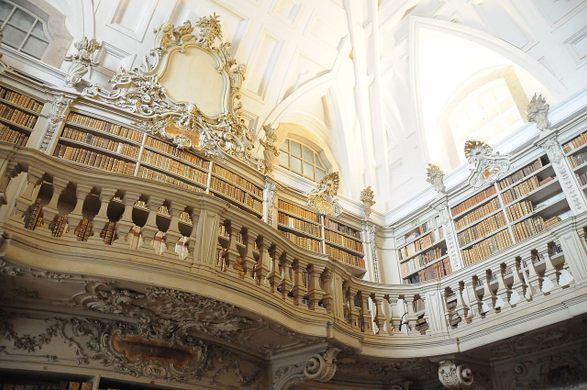
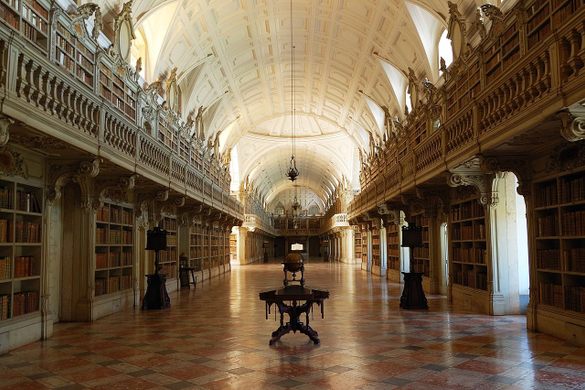
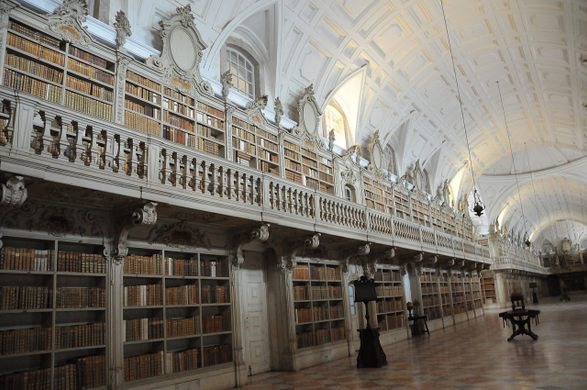
"The wooden Rococo bookshelves of the grand Mafra Palace Library hold some 36,000 leather-bound volumes dating from the 14th to the 19th centuries. Book-eating pests would pose a great threat to these old tomes were it not for the inch-long bats who patrol the library at night. Upon its completion in 1755, the magnificent Palace of Mafra immediately staked its claim as one of the national treasures of Portuguese architecture. And within the palace sits an equally impressive library, which ranks among the finest in Europe. The 280-foot long Rococo-style library is a fitting home for the thousands of valuable old volumes that line the wooden bookshelves. These books are fragile things, however, and bookworms, moths, and other insects can wreak havoc on their delicate pages. Most libraries control such pests with ethylene oxide, methyl bromide, or gamma radiation, but the Mafra Palace Library has a very special force of airborne defenders: bats. During the day, a colony of bats sleeps behind the bookcases or out in the palace garden. At night, after the library has closed, these small bats swoop between the stacks, hunting down the very pests that would otherwise chomp through the pages of the library’s precious collection. This nocturnal feasting has been going on for centuries, perhaps as far back as the creation of the library itself. The winged protectors, however, do come with one disadvantage: the copious covering of droppings they expend upon the floors, shelves, and furniture each and every night. To combat this, library workers cover the furniture before they leave, and spend their mornings carefully cleaning the marble floors to erase all evidence of the previous night’s excreta. The Atlas Obscura Podcast is a short, daily celebration of all the world’s strange and wondrous places. Check out this episode about the Mafra Palace Library bats." - ATLAS_OBSCURA

https://www.atlasobscura.com/lists/portugal-unique-places-to-visit
Rosino/CC BY-SA 2.0
Mafra National Palace
@atlasobscura
4,908 Postcards · 2,018 Cities

39 New Places in the Second-Edition Atlas Obscura Book

"The wooden Rococo bookshelves of the grand Mafra Palace Library hold some 36,000 leather-bound volumes dating from the 14th to the 19th centuries. Book-eating pests would pose a great threat to these old tomes were it not for the inch-long bats who patrol the library at night. Upon its completion in 1755, the magnificent Palace of Mafra immediately staked its claim as one of the national treasures of Portuguese architecture. And within the palace sits an equally impressive library, which ranks among the finest in Europe. The 280-foot long Rococo-style library is a fitting home for the thousands of valuable old volumes that line the wooden bookshelves. These books are fragile things, however, and bookworms, moths, and other insects can wreak havoc on their delicate pages. Most libraries control such pests with ethylene oxide, methyl bromide, or gamma radiation, but the Mafra Palace Library has a very special force of airborne defenders: bats. During the day, a colony of bats sleeps behind the bookcases or out in the palace garden. At night, after the library has closed, these small bats swoop between the stacks, hunting down the very pests that would otherwise chomp through the pages of the library’s precious collection. This nocturnal feasting has been going on for centuries, perhaps as far back as the creation of the library itself. The winged protectors, however, do come with one disadvantage: the copious covering of droppings they expend upon the floors, shelves, and furniture each and every night. To combat this, library workers cover the furniture before they leave, and spend their mornings carefully cleaning the marble floors to erase all evidence of the previous night’s excreta. The Atlas Obscura Podcast is a short, daily celebration of all the world’s strange and wondrous places. Check out this episode about the Mafra Palace Library bats." - ATLAS_OBSCURA

https://www.atlasobscura.com/lists/new-places-atlas-obscura-2nd-edition
Rosino/CC BY-SA 2.0
Mafra National Palace

Andrey M

Google
Mafra Palace is truly unforgettable. The scale is simply beyond imagination – endless corridors that seem to stretch forever, giving you plenty of time to reflect on the grandeur. The rooms are beautifully consistent in their style, so you never get distracted by sudden changes or surprises. The atmosphere is calm and undisturbed, with very few exhibits to clutter the space – a refreshing change from other overcrowded attractions. You can easily spend hours wandering without being interrupted by anything that might break the serene emptiness. Highly recommended for those who appreciate space, silence, and the rare luxury of having so little to look at.

Jonathan P.

Google
This imposing Palace from the reign of King João V is the most important example of Baroque architecture in Portugal. It is the only national monument that incorporates a Royal Palace, a Basilica and a Monastery. It covers more than 40,000 m2 and has 1,200 rooms, many of which are unique. The Library is an example of this, housing knowledge in a collection of over 36,000 volumes.

Mira A.

Google
If you are in Lisbon area this is a must visit. The palace is gorgeous. No line ups not crowded. There is a paid parking always have a spot.

Esrf G

Google
The Mafra National Palace is a monumental Baroque masterpiece featuring a royal palace, basilica, and one of Europe’s most stunning libraries. Located just outside Lisbon, it impresses with grand architecture, intricate details, and a rich royal history waiting to be explored.

Christine B.

Google
This palace is unique in that it is not filled with opulence as others were. It feels real more. Also, it sits right there in the middle of the city. There are docents placed at each room or exhibit. Portugal residents, teachers, military, student researchers, and others do not pay an entry fee.

Aaron S.

Google
If you have Portugal residency, they're part of the current cultural admission-free policy. The palace is stunning and has many interesting historical references but also just a great place to have vision of what it was like to have been King (it's good to be king 👑). Currently 27 April, 2025 The library and access to the actual chapel are closed for reconstruction. So check before you go if it's something you planned on seeing.

Alexa G

Google
Truly a beautiful Palace! My favourite was the south tower due to the wall murals in the Queens Quarters but the Library was a close second. Note that the Basilica and North tower are closed for restorations (July 2025) and the exterior is covered in scaffolding. We thought the 15€ entrance fee was a bit steep seeing as so much is closed, without any explanation of what is being done/what we were missing.

Linda T.

Google
The church/basilica is free but unfortunately it is closed until 2027 for restoration. I think if it was open, it would have made the visit score higher. Tickets were a little pricey in my opinion. You can get a peak of it through the palace. The place is large but your overall access to the whole building is very limited. The library is most impressive but again, your access to view it is at the very beginning stepping maybe 10 feet into the library. There are bats that live in the library that protect the books from insects and moths, but they only come out at night. At least there’s free parking next to the palace.