Magellan's Cross
Historical landmark · City of Cebu ·
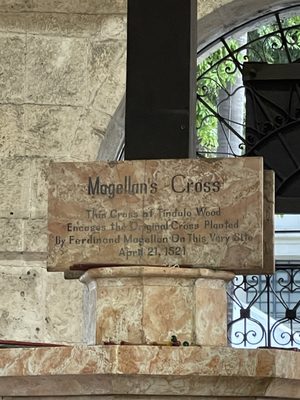
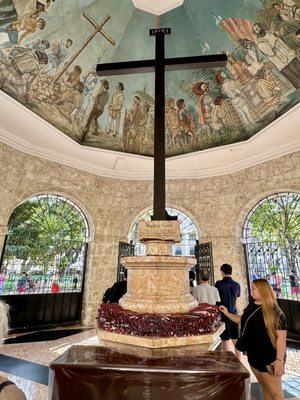
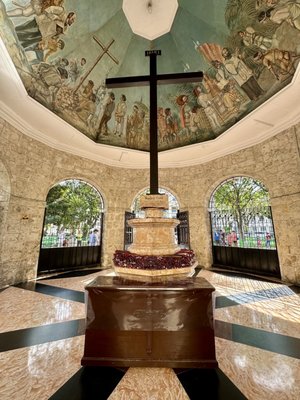
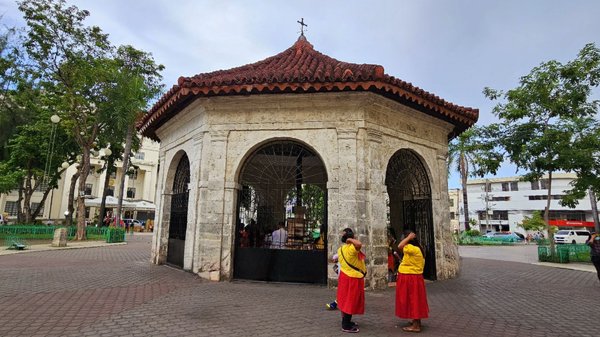
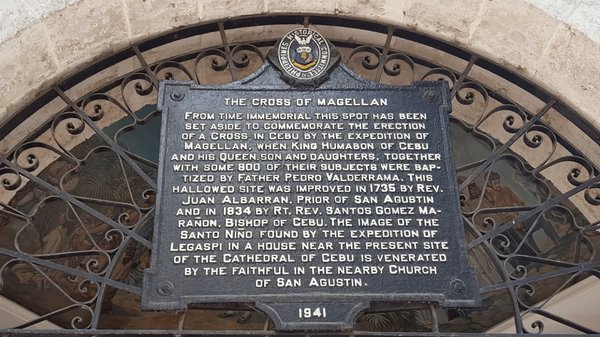
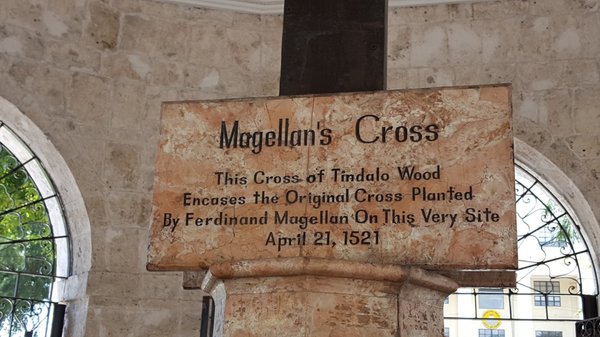
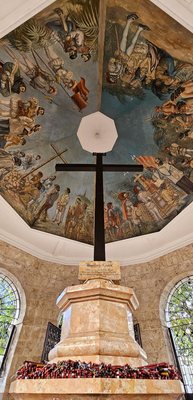
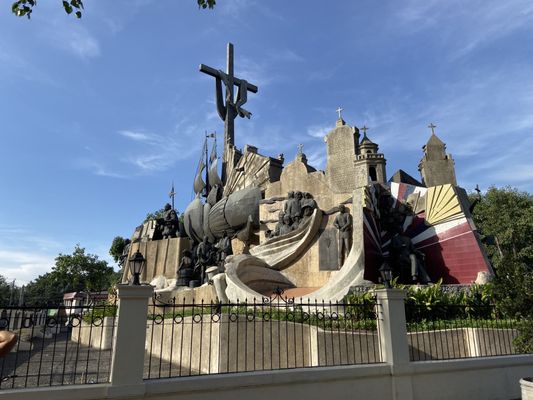
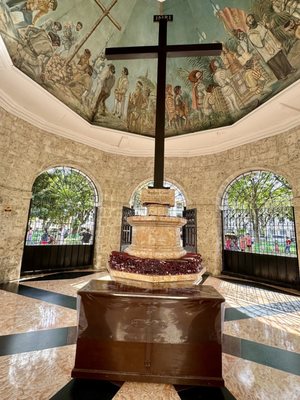
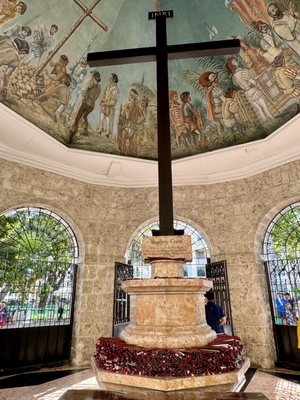
Historic kiosk housing replica cross marking Christianity's arrival






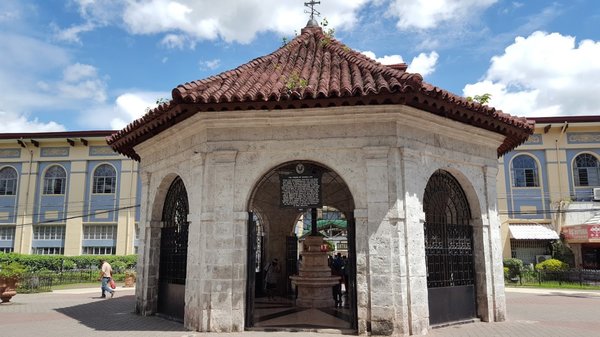

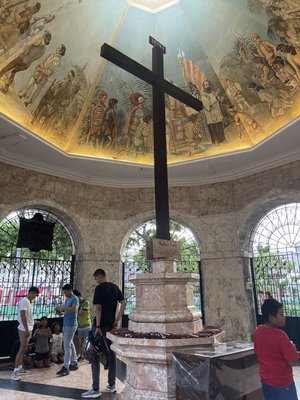



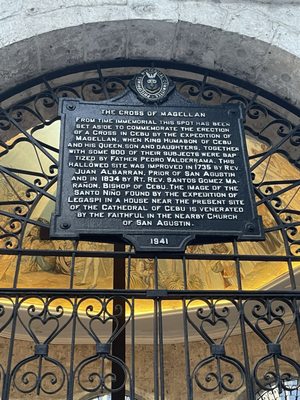
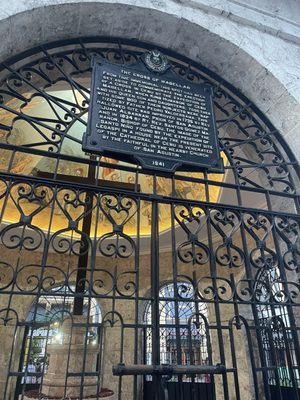






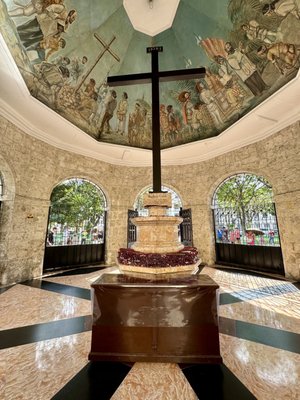

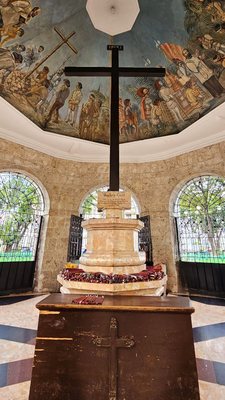
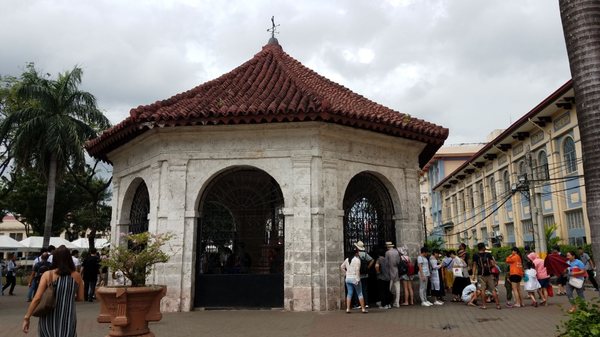

Historic kiosk housing replica cross marking Christianity's arrival
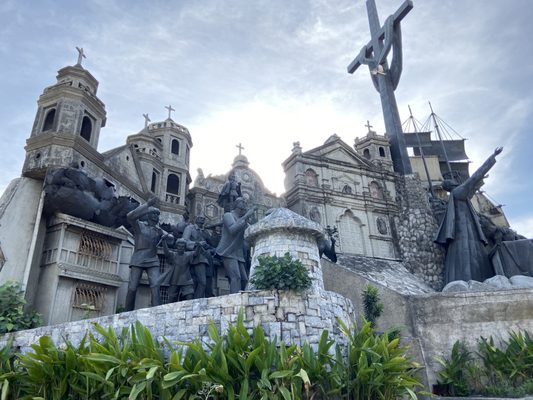
"A prominent heritage site set at a historic basilica that visitors commonly include on cultural tours of Cebu to experience the city's colonial-era landmarks and spiritual heritage." - Ink Creative Studios
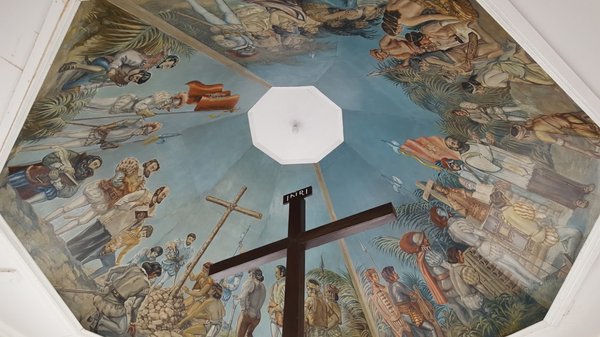
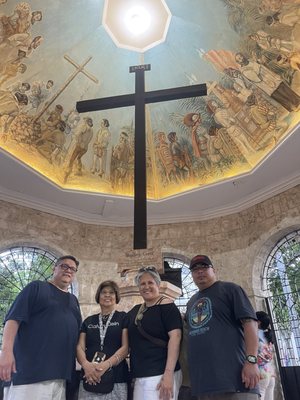
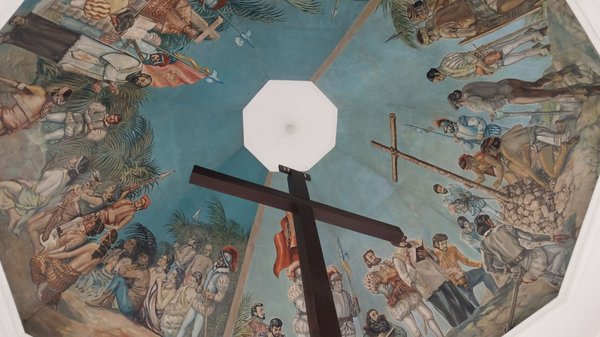
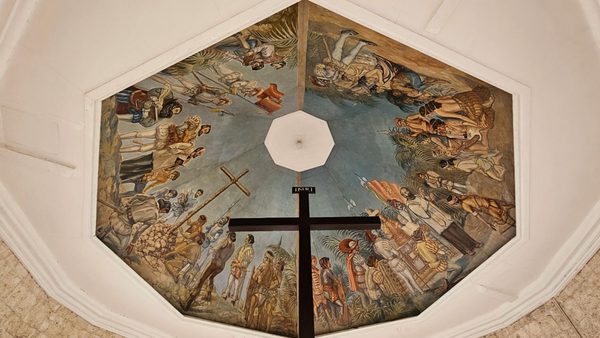
"Housed in a hexagonal pavilion just south of the basilica, a cross planted by the famed explorer in 1521 sits beneath a painted ceiling that depicts the conversion of a local rajah—an episode linked to the spread of Catholicism across the islands." - Ink Creative Studios
enjxmes
Dr Dhelz S.
dmitry.ʎɹʇᴉɯp
Sir C.
Eugine Carlo P.
Mircea R.
Mari L
Junar H.

Jennifer B.

May A.

Ron Z.
