Elie C.
Google
My visit to La Maison de Victor Hugo in Paris was an unforgettable journey through history, literature, and art. Nestled in the picturesque Place des Vosges, this charming museum offers a unique glimpse into the life and creative world of one of France’s greatest literary icons.
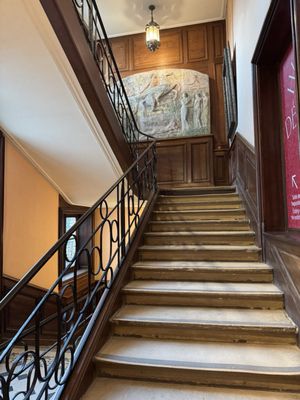
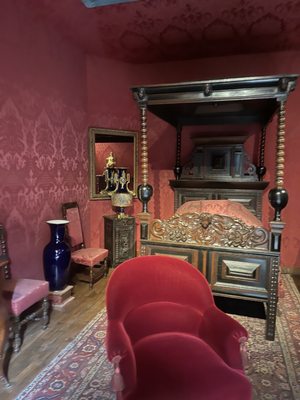
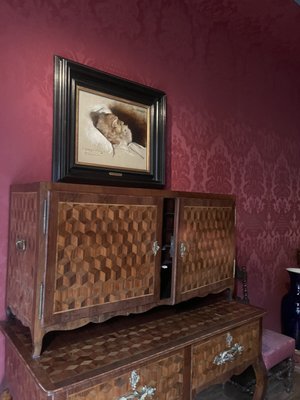
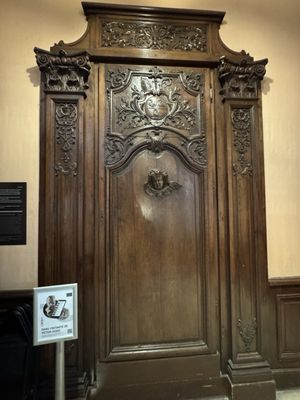
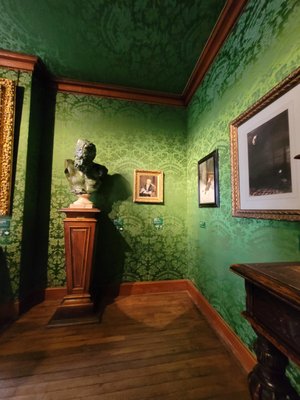
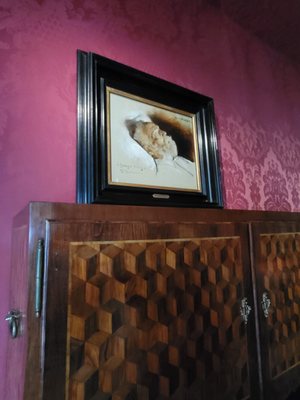
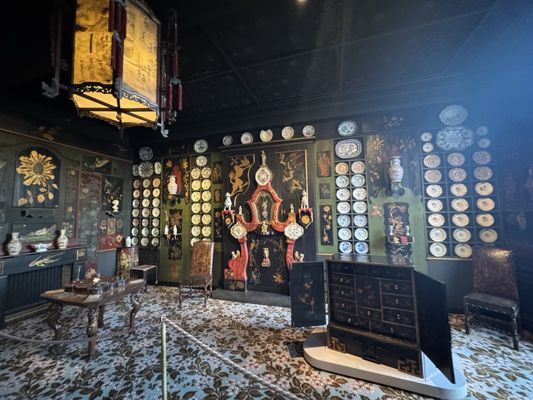
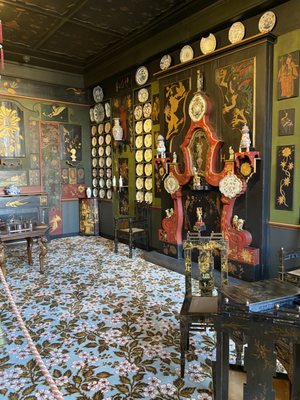
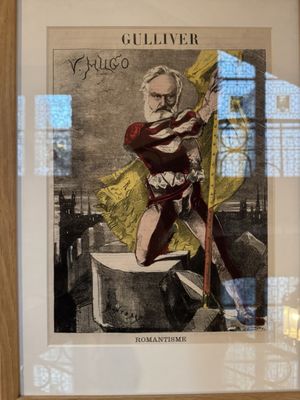
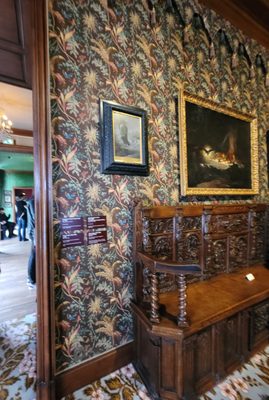
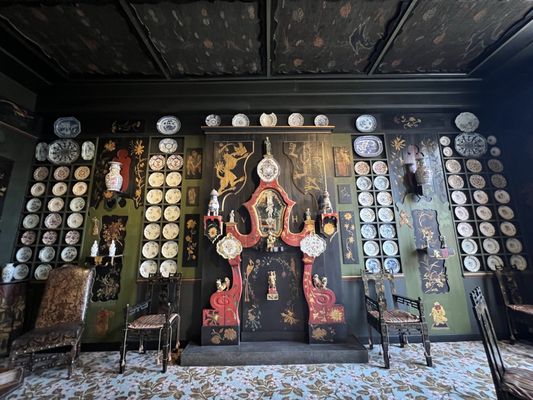
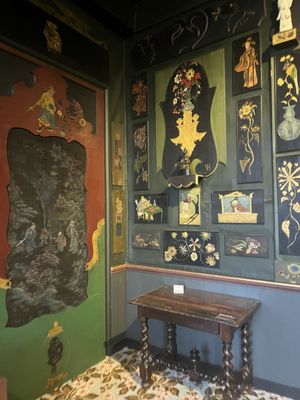
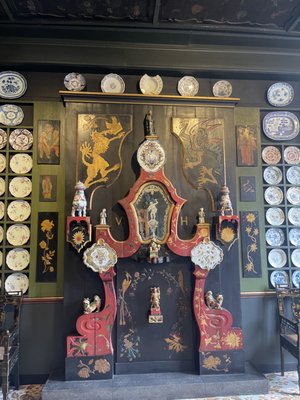
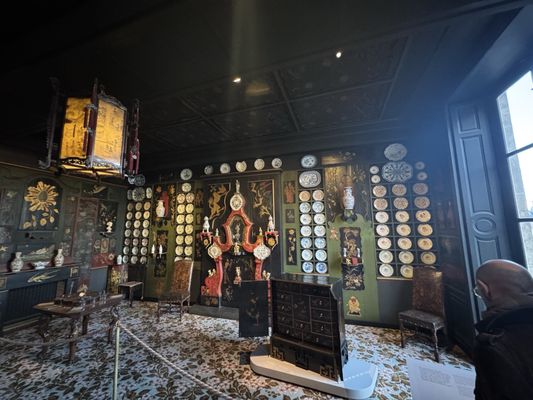
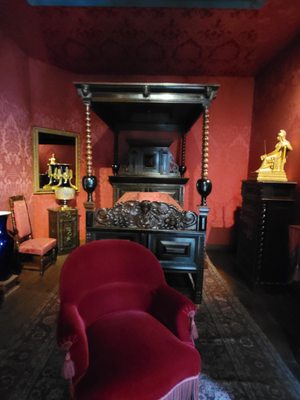
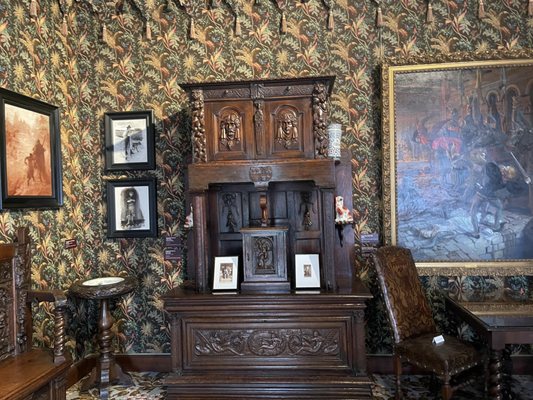
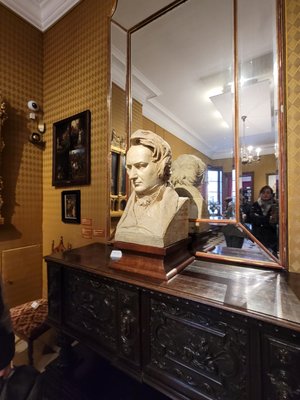
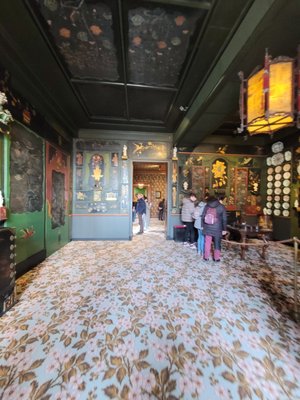
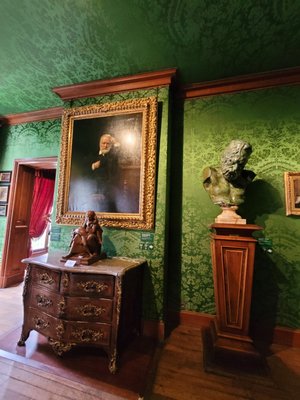
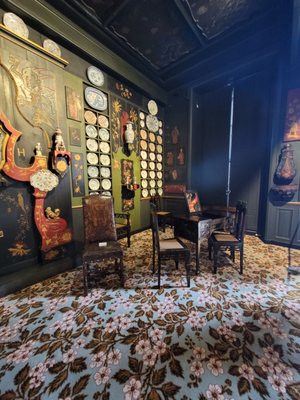
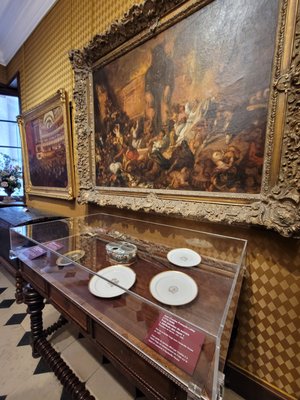
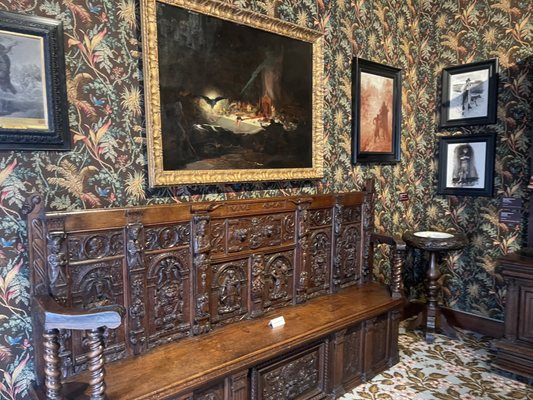
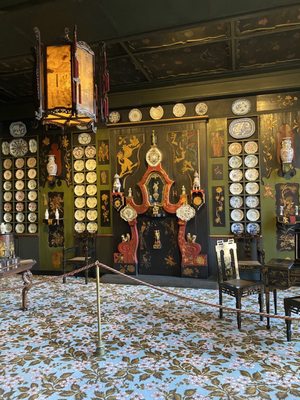
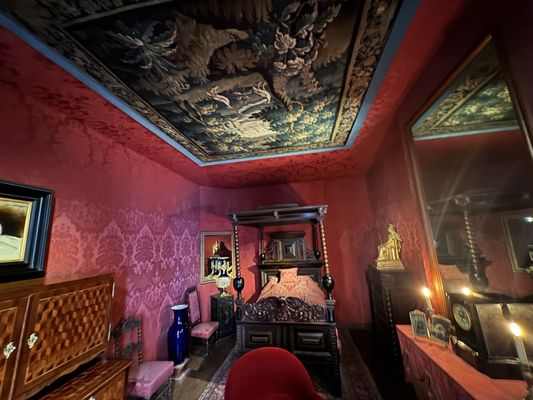
The house itself, where Victor Hugo lived from 1832 to 1848, has been beautifully preserved and transformed into a museum dedicated to his life and works. Walking through its rooms feels like stepping back into the 19th century. Each space tells a story — from his personal belongings and manuscripts to the intricate furnishings he designed himself. The Chinese-inspired drawing room, in particular, is a true masterpiece and highlights Hugo’s eclectic artistic tastes.
One of the most fascinating parts of the visit was learning about Hugo’s time in exile on the Channel Islands after his opposition to Napoleon III. His years away from France were among his most productive, during which he completed some of his most famous works, including Les Misérables and Les Contemplations.
The museum also provides insight into Hugo’s role as a political activist and humanitarian. His passionate advocacy for social justice, abolition of the death penalty, and support for the poor make him not only a literary genius but also a deeply influential figure in French history.
Beyond the exhibits, the location itself is stunning. After the tour, I took a moment to enjoy the Place des Vosges, one of Paris’s oldest and most elegant squares, which perfectly complements the timeless charm of the museum.
For literature lovers, history enthusiasts, or anyone looking to connect with the soul of Romantic-era Paris, La Maison de Victor Hugo is an absolute must-visit. It’s not just a museum — it’s a portal into the mind and heart of a man whose words continue to inspire the world.