faozan rizal. I.
Google
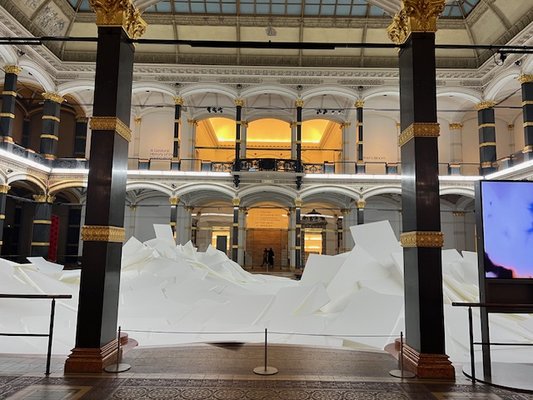
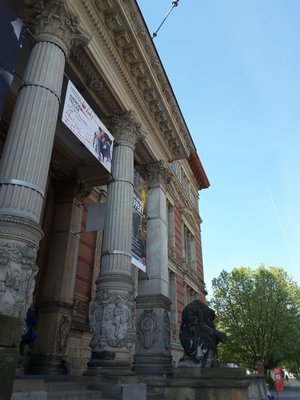
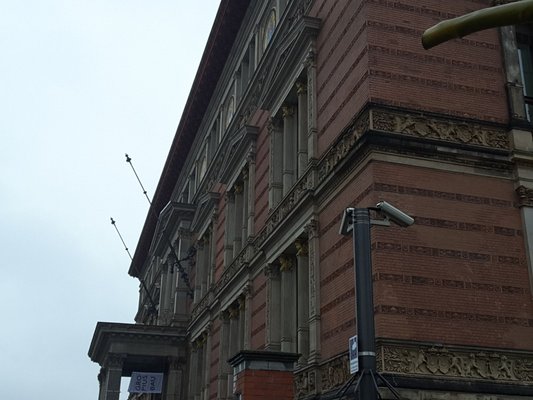
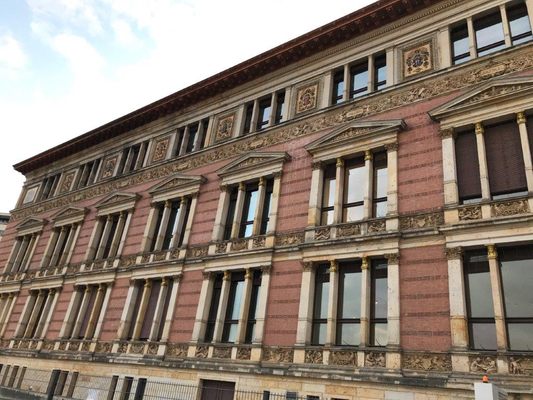
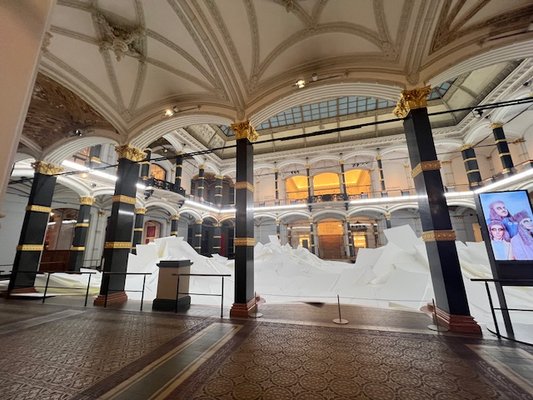
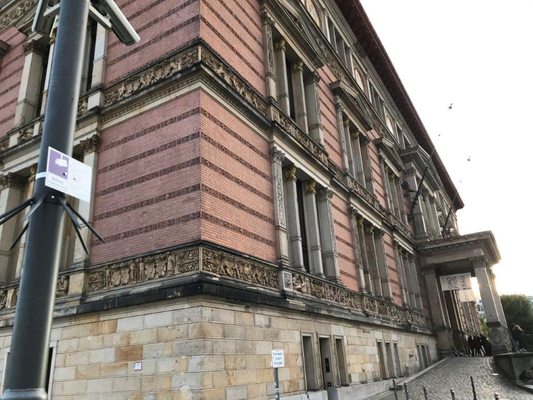
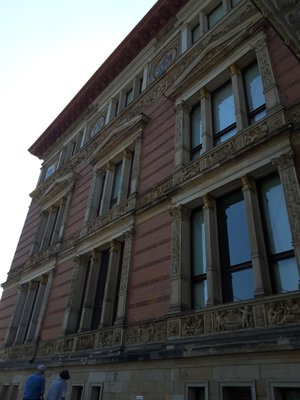
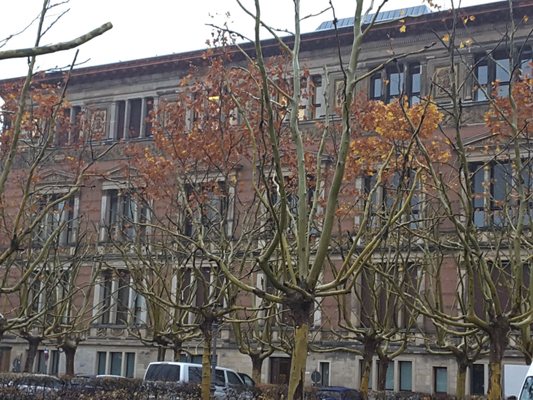
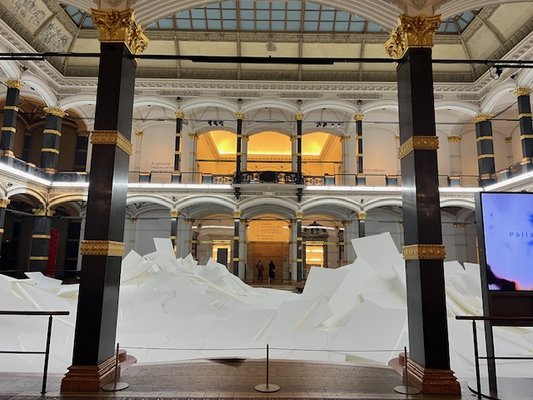
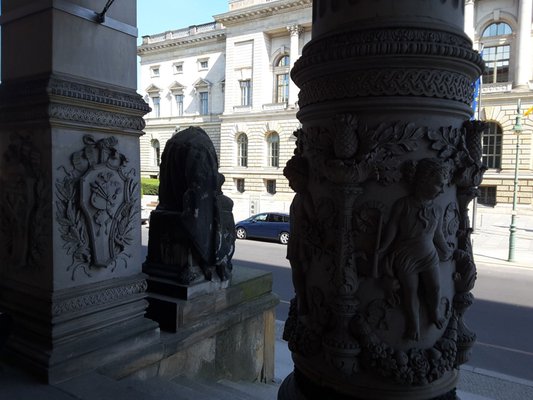
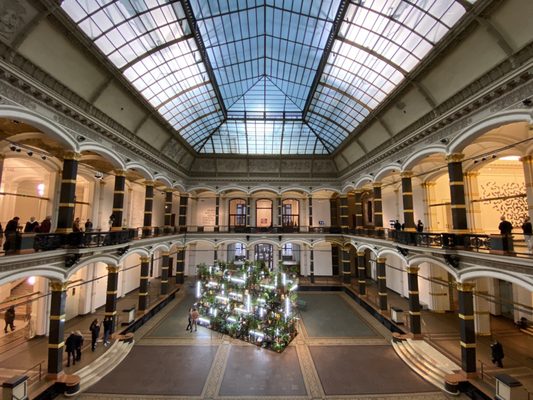
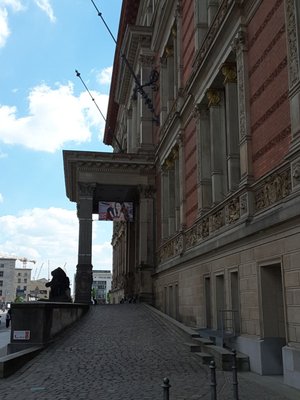
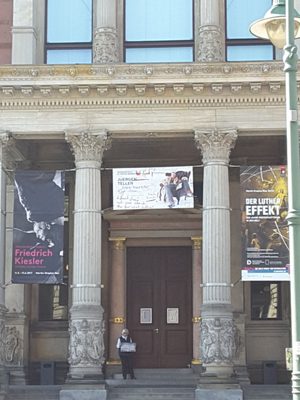
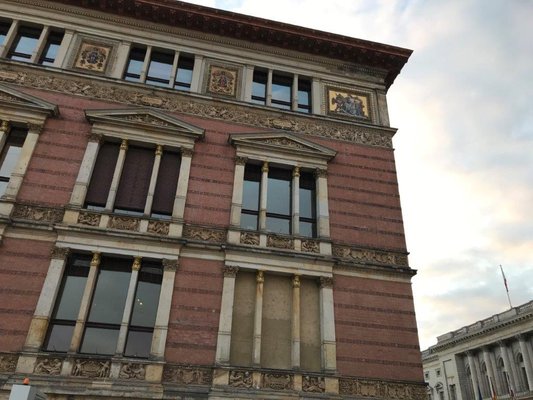
Walking up to Gropius Bau, the building itself makes a statement. The sleek, glass‑encased façade juxtaposes the historic district with a decidedly modern sensibility, while the interior is a masterclass in spatial generosity. The main hall feels almost cathedral‑like in its height, yet the openness never veers into coldness; natural light floods the space, accentuating the crisp lines of the architecture and creating a welcoming ambience for visitors of all ages.
A standout feature for families is the children’s playground area tucked into a side wing. It’s thoughtfully integrated—soft, modular modules that echo the museum’s aesthetic rather than feeling like an afterthought. Parents can keep an eye on their kids from the main exhibition floor, and the noise level stays comfortably low, thanks to acoustic paneling that also serves the museum’s broader sound‑design needs.
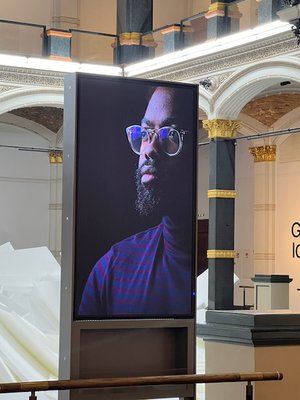
I came for Ligia Lewis exhibition, Lewis’s show is a kinetic collage of film, sound installations, video projections, and live performance. The curatorial team has woven these elements together in a way that feels both experimental and accessible.
The exhibition occupies a relatively compact room compared with the museum’s overall scale. This modest footprint makes it challenging to showcase the full breadth of Lewis’s practice; some of her larger installations feel squeezed, and certain sound‑scapes lose impact when confined to a smaller acoustic environment.
Despite the spatial constraints, the pieces that are on view still manage to convey the core of Lewis’s artistic inquiry—how materiality, narrative, and technology intersect. The live performances, scheduled several times a day, are especially compelling; they transform the room into a pulsating arena where the audience becomes part of the work.