Gheorghe C.
Google
Founded in the 17th century by Cardinal Mazarin, the Bibliothèque Mazarine is the oldest public library in France. With a collection exceeding 600,000 volumes, including many rare and invaluable manuscripts, incunabula, and early printed books, it ranks among the most important historical libraries in Paris. Incunabula are books printed before 1501, during the earliest years of European printing, representing the transition from handwritten manuscripts to printed works. Their presence in the library highlights its role as a repository of centuries of scholarship and culture.
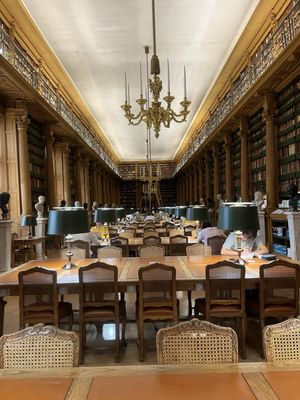
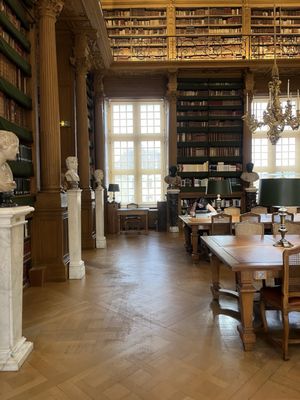
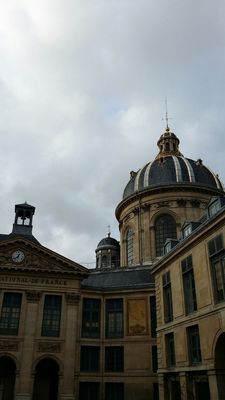
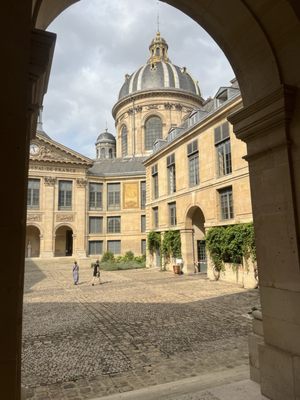
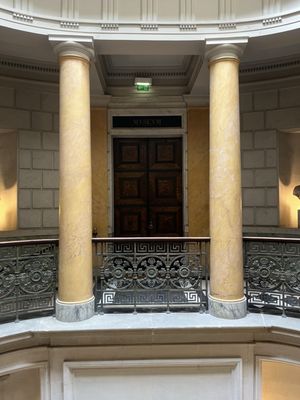
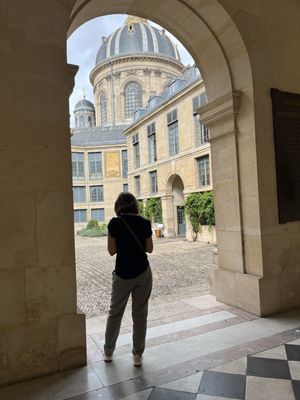
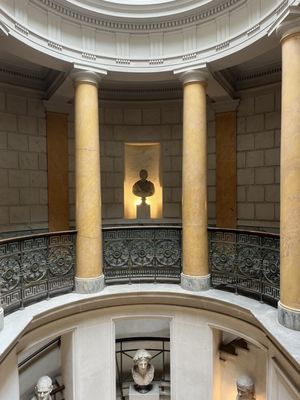
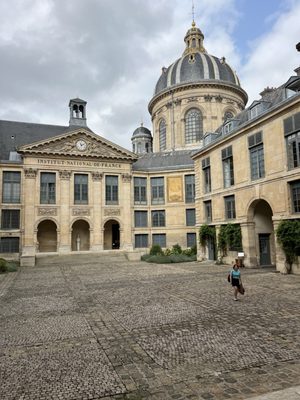
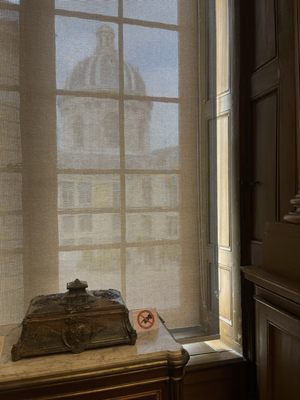
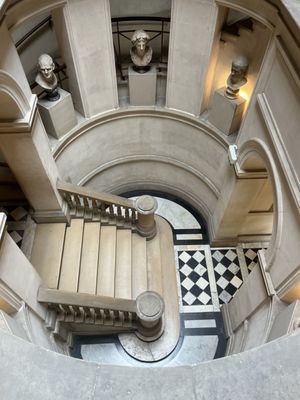
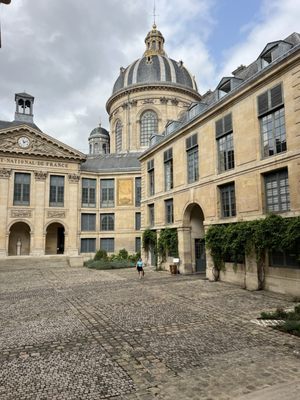
Visiting the Bibliothèque Mazarine was a truly unforgettable experience. What struck me first was the distinctly Parisian historical architecture—ornate, elegant, and full of character, giving the space a timeless charm that immediately transports you to the intellectual heart of old Paris.
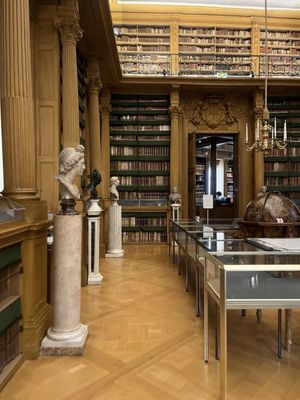
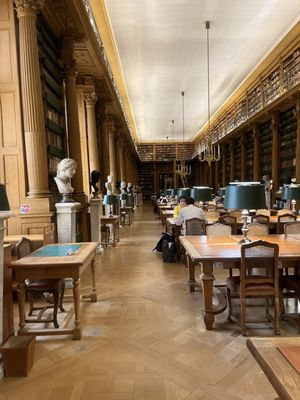
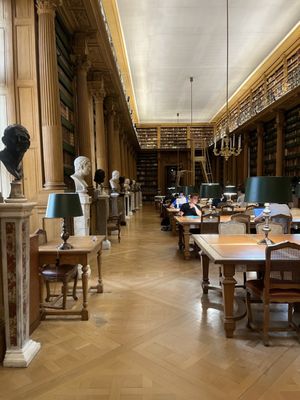
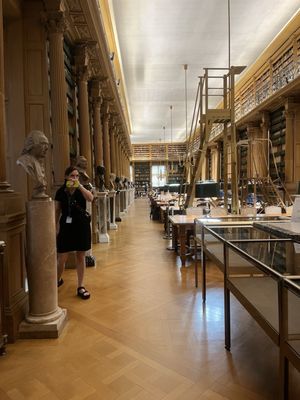
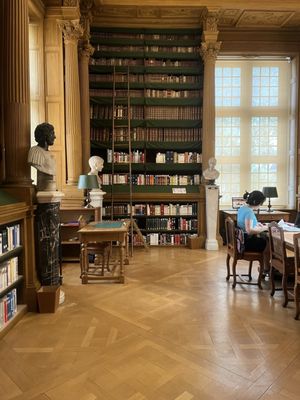
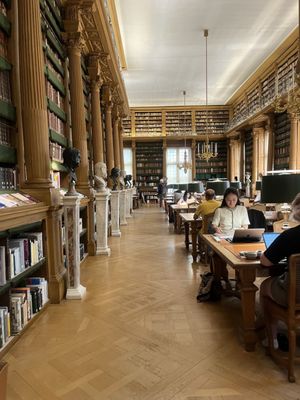
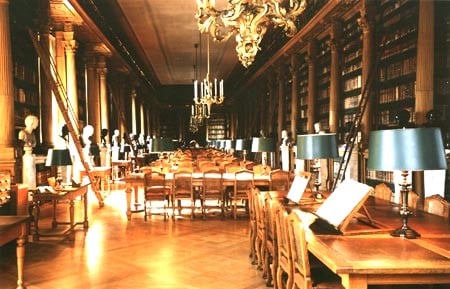
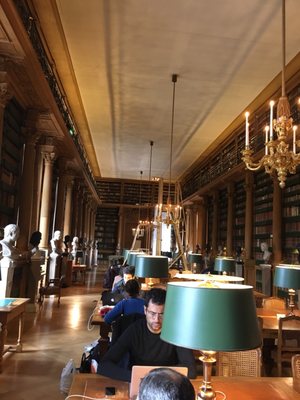
Inside the grand reading room, the shelves soar to the ceiling, requiring ladders to reach the uppermost volumes. This design not only maximizes space but also creates a majestic, almost theatrical atmosphere for readers. The sense of scale and careful craftsmanship in the shelving evokes the dedication to knowledge that has endured here for centuries.
Adding to the allure, the display of old books in the reading room is mesmerizing. Simply being surrounded by these historical treasures, including incunabula and other rare editions, inspires a deep sense of study and reflection. There is a palpable feeling of being immersed in a culture of history and learning, where every corner whispers stories of Parisian scholarship through the ages.
Overall, the Bibliothèque Mazarine is not just a library—it is a living museum of intellectual and cultural heritage, where the architecture, the towering shelves, and the collection itself come together to create an environment that encourages study, curiosity, and awe.