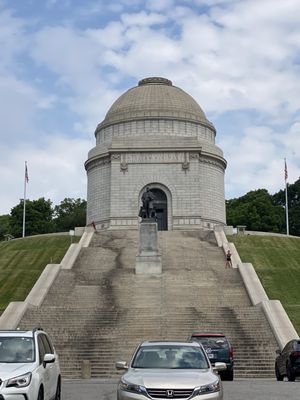
McKinley Presidential Library & Museum
Museum · Canton ·
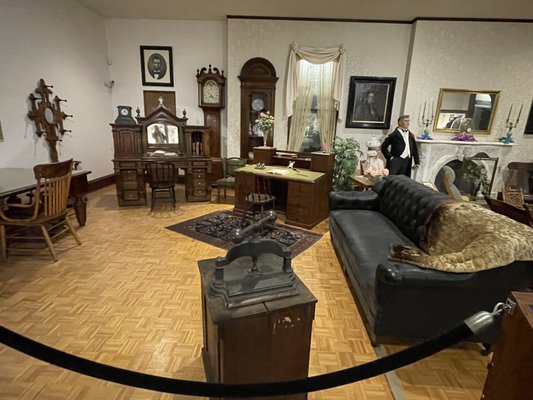
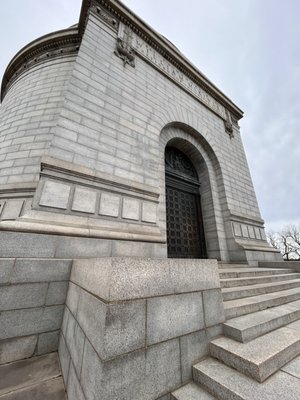
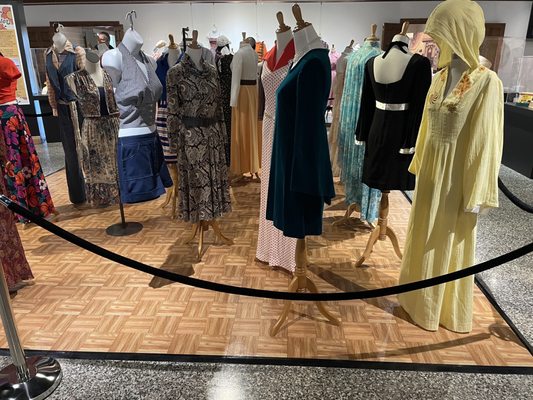
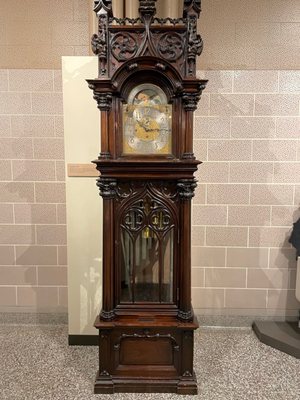
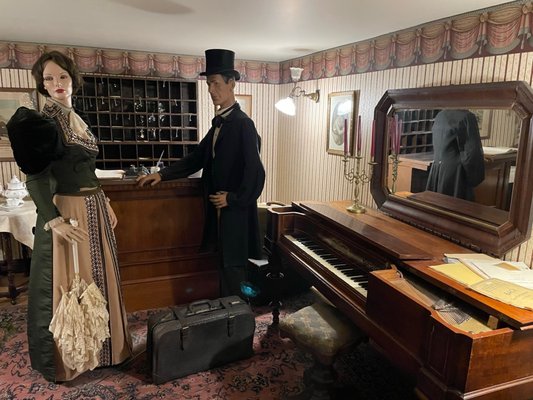
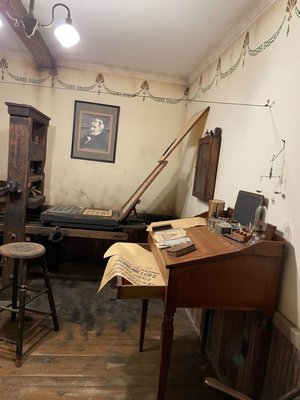
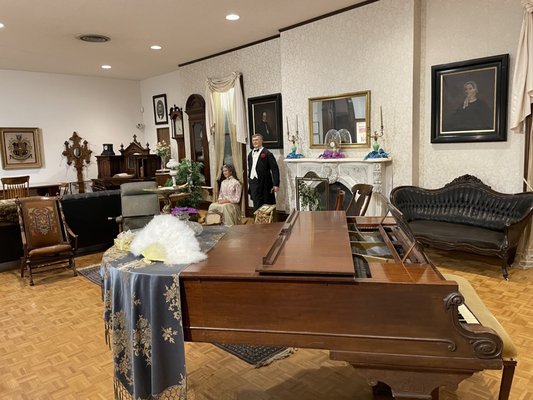
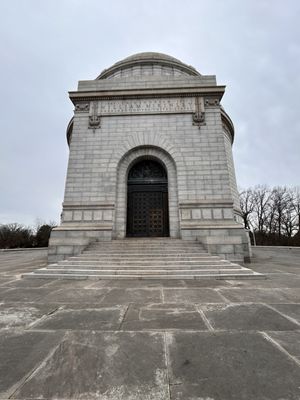
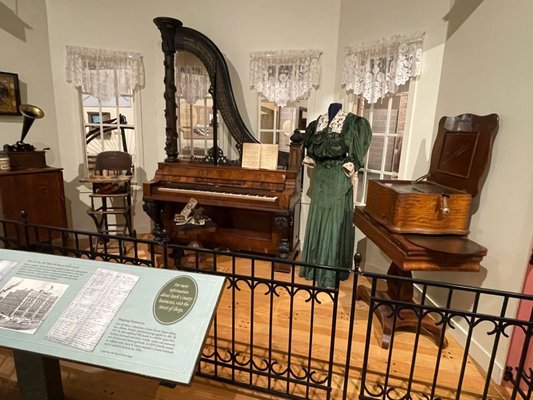
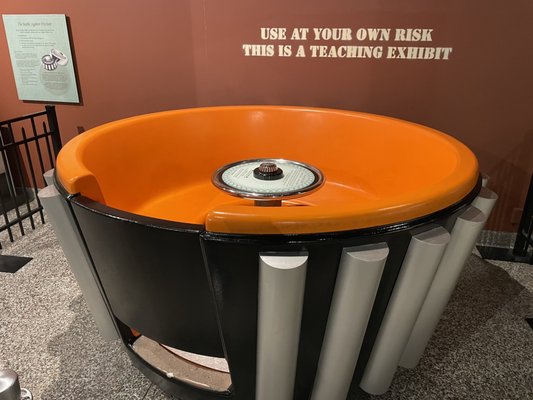
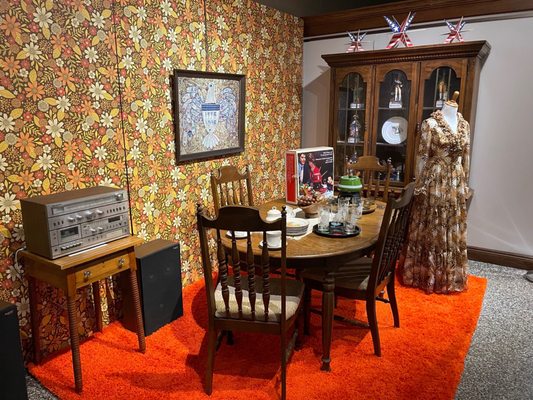
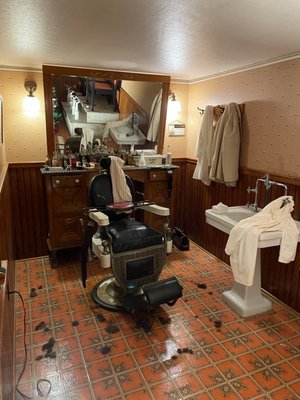
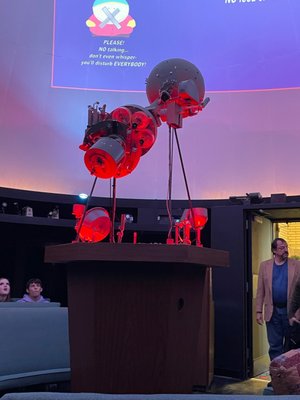
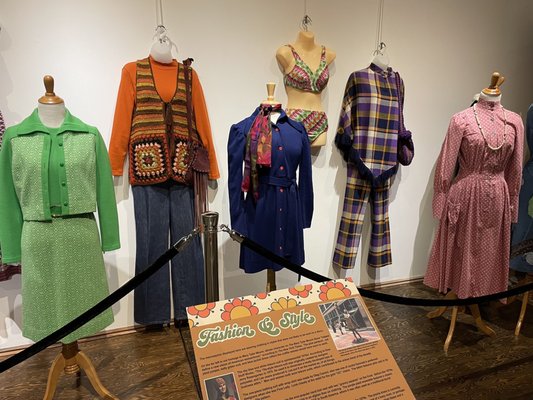
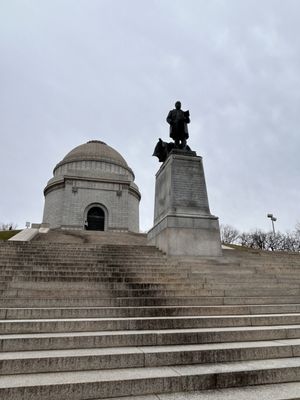
Presidential history, local exhibits, planetarium shows, old town












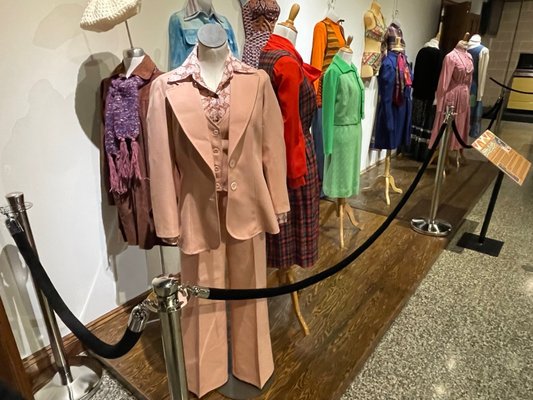


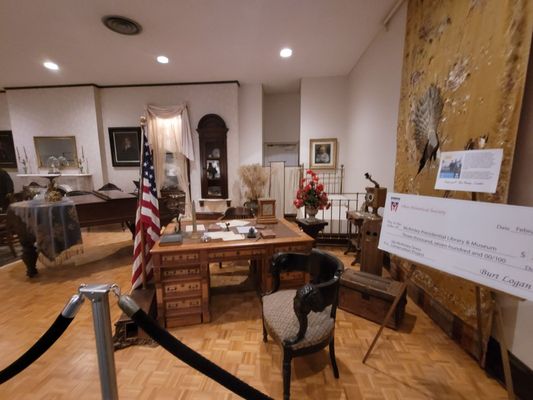

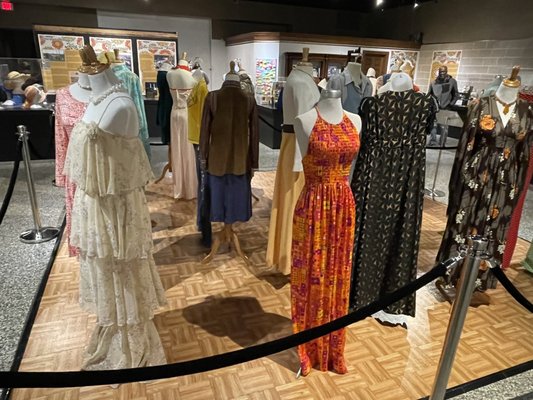

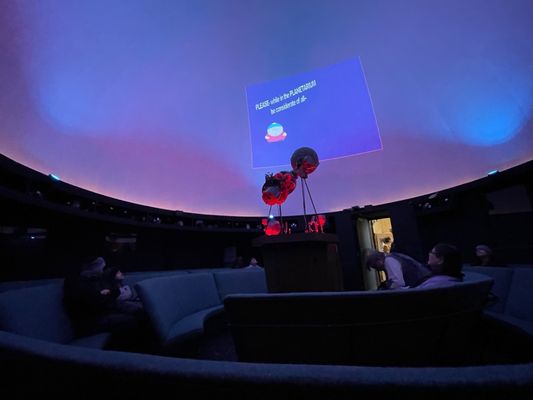
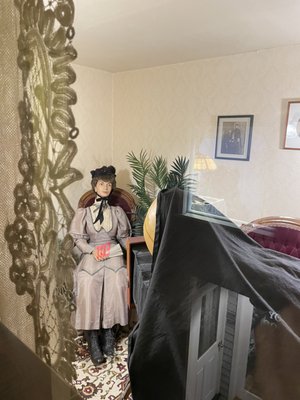
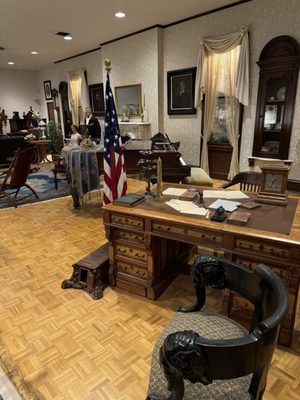
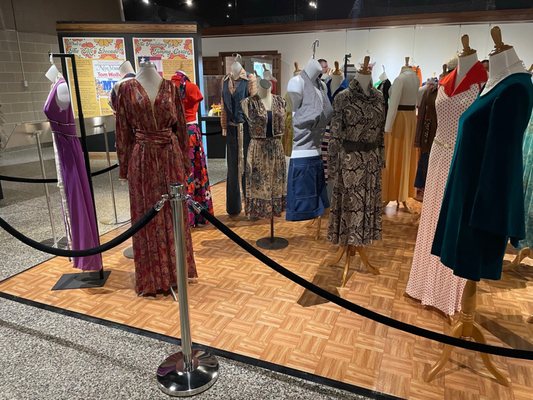


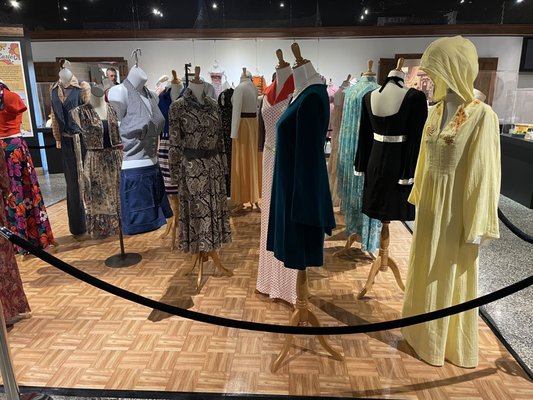
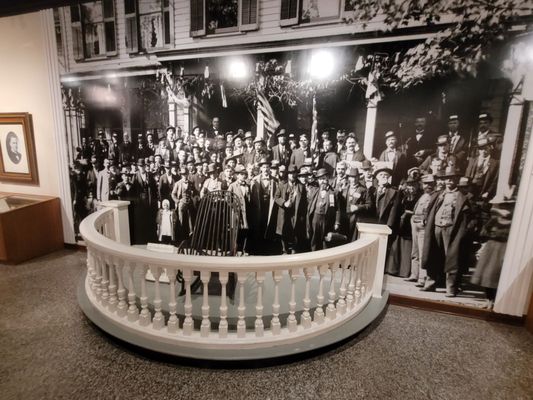
Presidential history, local exhibits, planetarium shows, old town
"Named among Canton’s attractions, the McKinley Presidential Library & Museum offers historical exhibits that round out the city’s weekend options." - Stephanie Vermillion Stephanie Vermillion Stephanie Vermillion is a travel journalist and photographer covering culture and adventure for Travel + Leisure Outside, and more. Travel + Leisure Editorial Guidelines
吳政魁
Andrew D
Noah F.
Sooner H.
Jbrill S.
Heather P.
Christina E
Hailey J.

Steve G.

Laurie V.

Therese A.

Vicki M.
Tina W.

Julie W.

Dan H.

Kelly T.

Les R.
Td B.
Rhys Charles W.

Andrea U.

The Critical J.

Jennifer G.

Deb B.

Heather O.

Debra V.

Daniel L.
Trav S.

Hannah B.

Ben S.

Cathy W.
Madison V.

Emma T.

Eric H.

Mark L.
Reggie S.

Jeremy W.
Ashton B.

Alea B.
Katie F.
Tracy D.
Laura L.

Richard T.

Carrie G.
