Paul L.
Yelp
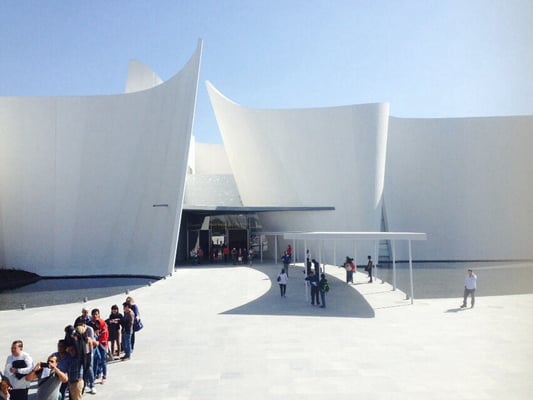
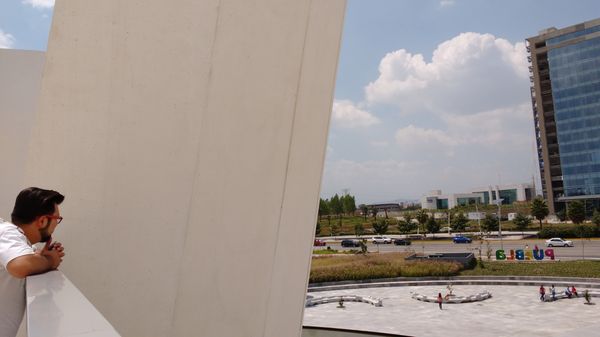
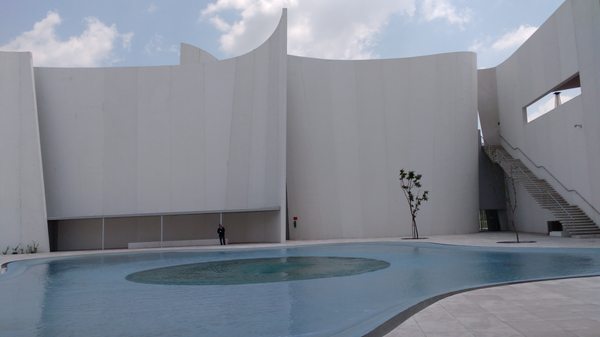
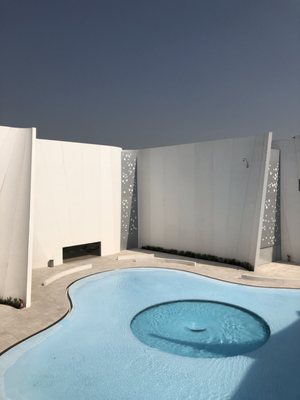
This brand new museum is the reason I came to Puebla but I was confused the moment I arrived. The gorgeous, cool white curving surfaces of the exterior against the blue sky seemed more suitable to Islamic art. Isn't baroque art, in its inherent drama and exaggeration, at odds with this building? Why a museum dedicated to baroque in the first place? How would this all work? I became a lot more curious.
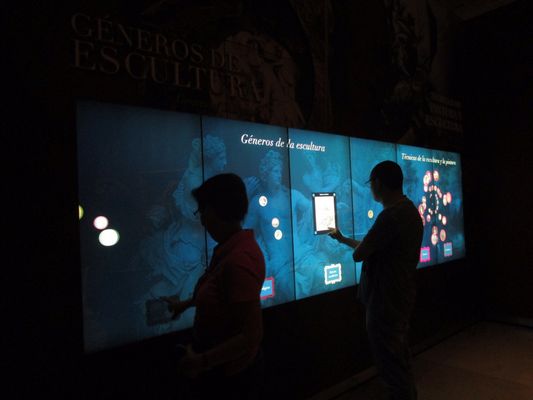
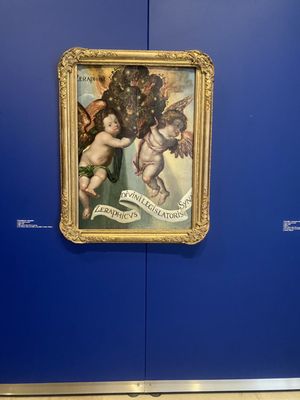
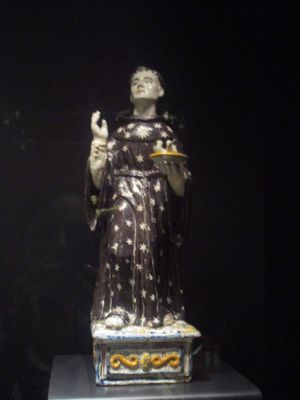
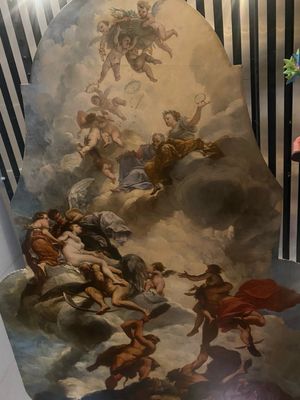
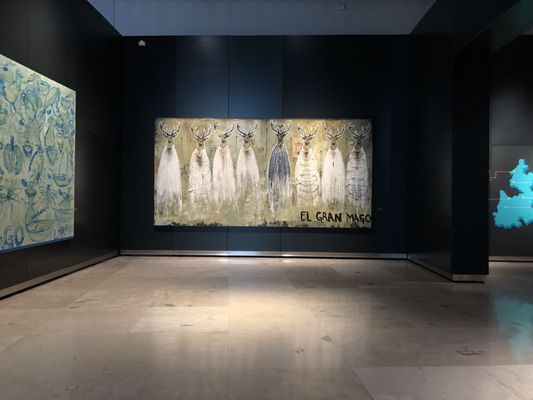
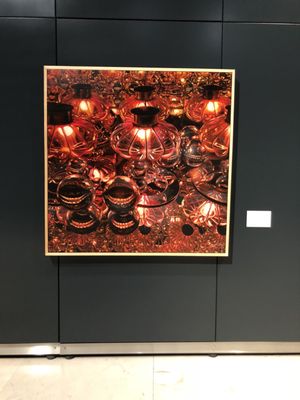
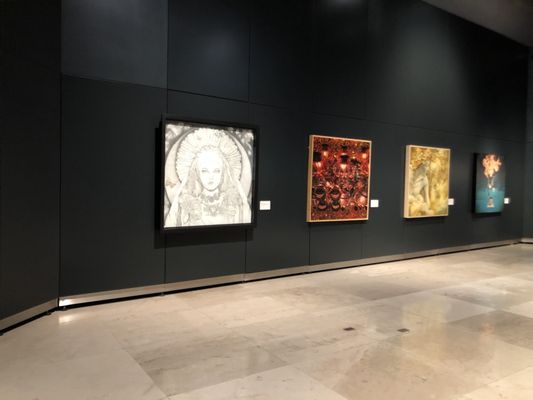
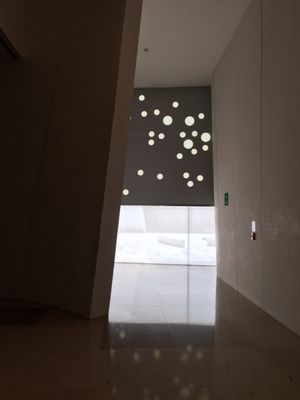
The huge but elegantly spare lobby is tranquil -- again, not what I would expect when encountering baroque. However, once I entered the first gallery hosting a temporary exhibition -- 'Return Voyage: The China Galleon and the Baroque in Mexico, 1565-1815' -- the environment changed completely. It's obvious very quickly that no expense seems to have been spared here. The quality of the presentation and the works on display are superb. Technology is used heavily throughout the museum: interactive kiosks and displays, and the use of special lighting and sound. This is not simply an art museum: it's a place that is telling you a story that includes the roles of Mexico and Puebla.
This inaugural temporary exhibition focuses on the trade route between Mexico and Asia and it delves not only into art but language, slavery, economics, and racial hostilities. It's quite remarkable and surprising that it's only a temporary exhibition because it's a great introduction to this museum.
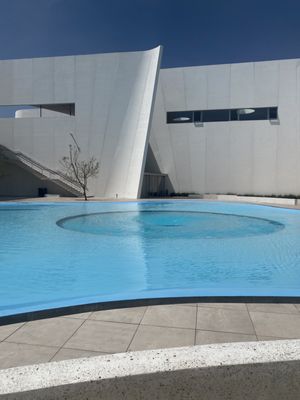
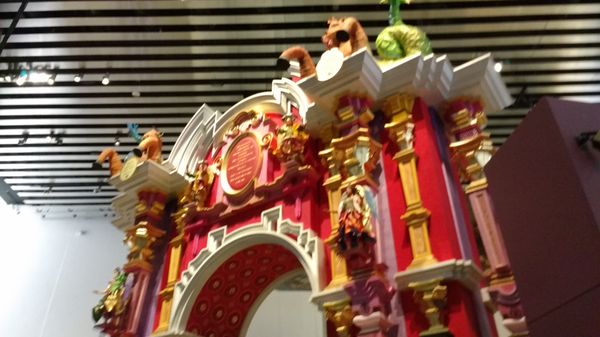
The remaining spaces of the museum are a maze of interconnected galleries (or large pods, really) that surround a courtyard with an hypnotic, swirling water feature. It's quite the zen environment. Like the temporary exhibition, the permanent exhibits don't stop at just painting and sculpture. Science, design, and clothing are factored in to tell the overall story. Additionally, the influence of theater is given a strong nod of acknowledgement. There is a wonderfully-designed stage featuring an opera on a movie screen. The curators have done an excellent job connecting all the dots to baroque.
Baroque art is not one of my favorite genres -- and it can be a bit ponderous for many visitors -- but the museum lifts it all in its compelling and original storytelling. I felt like applauding as I reluctantly departed through the doors. Mexico is the ideal country to have told this tale. (Certainly, it would have no direct relevance if attempted in the United States or Canada, for example.)
I turned back once more to stare at this building and I realized that I was looking at it all wrong. I could now see the series of curves on the exterior as highly decorative flourishes. These exaggerations of detail are a playful modern take on baroque. Finally satisfied, I hailed a taxi and moved on to my next Puebla adventure.