Shannon B.
Yelp
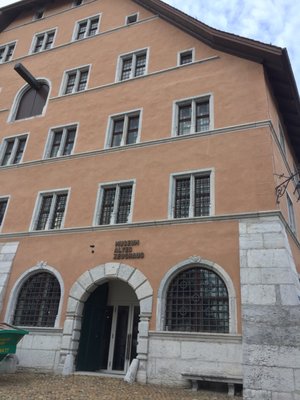
We wound up in Solothurn (or Saleure if you prefer the old French name) on a quest to find evidence of my husband's original American immigrant ancestor, Jean Guillaume Burat. He was a Swiss mercenary soldier working in the service of the King of France in establishing a new colony near the Mississippi delta in 1719, in what would eventually become Louisiana and Alabama. Coming to the Old Arsenal (or in German, Altes Zeughaus) filled in quite a bit of context about how this could have occurred via the (at that time) centuries-old tradition of young, able-bodied men from Swiss cantons being basically sold into the service of foreign campaigns by wealthy merchants & aristocrats and being enticed to settle where they served with offers of land and supplies after their service was complete.
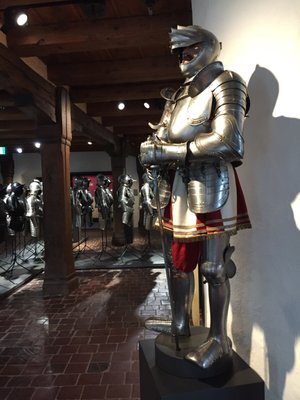
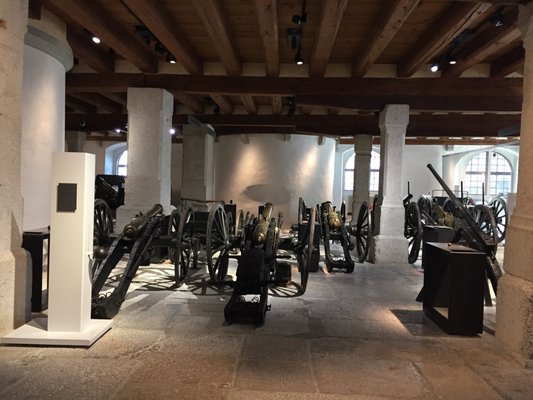
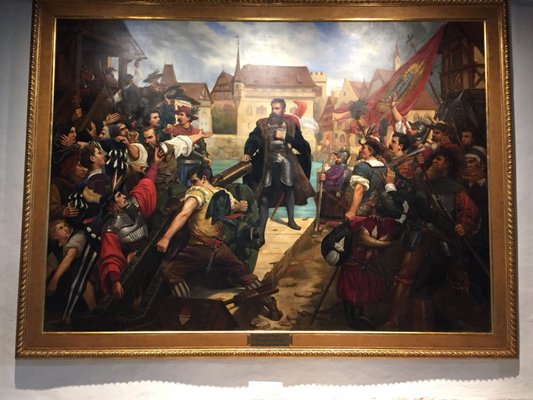
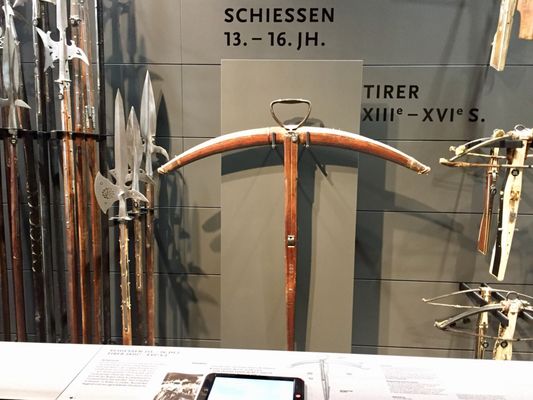
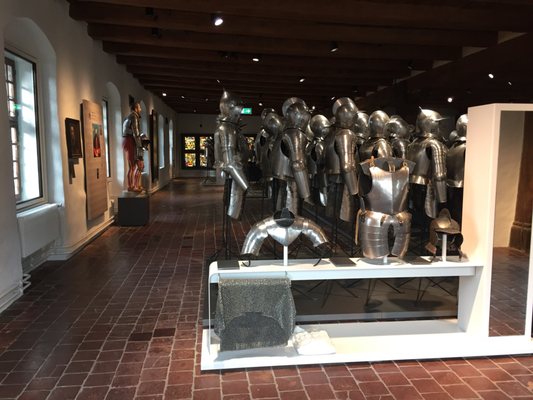
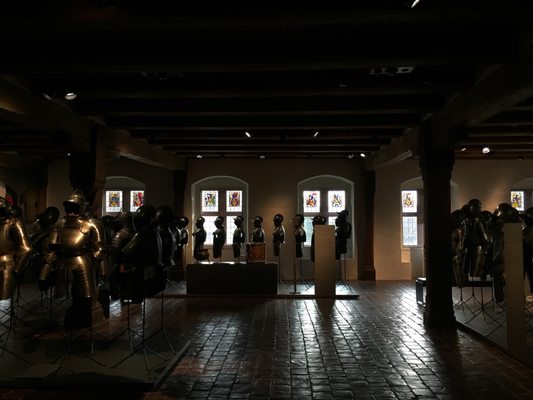
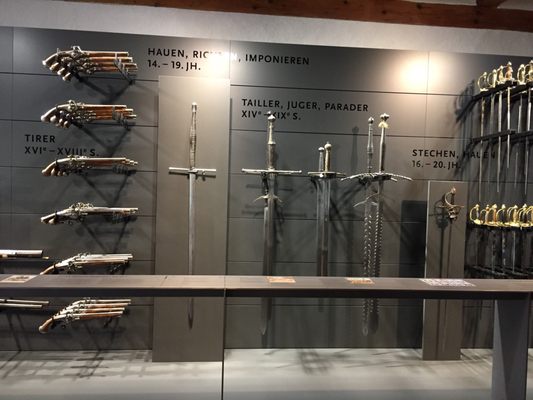
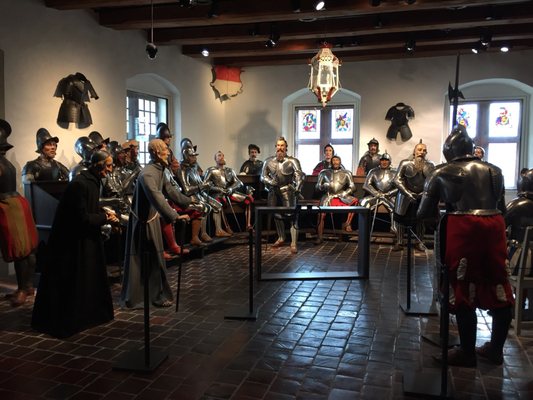
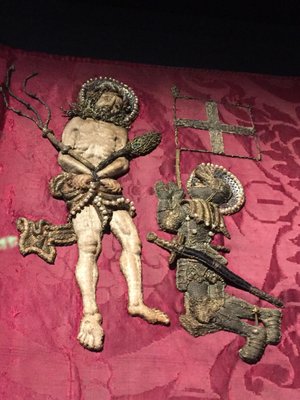
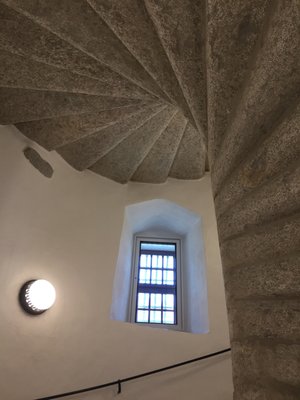
The 400-year-old building in Old Town near St. Ursenkathedral holds 4 floors of exhibits that will be fascinating to anyone interested in the history of warfare and weaponry, as well as the history of Switzerland and the Canton of Solothurn in particular. On the first (ground) floor, you find a small snack bar / rest area, the check-in desk, the inexpensive backpack lockers, and an extensive collection of hand-held weapons, heavy artillery, and cannons. Up the spiral stairs, you can reach the 2nd and 3rd floors where you'll see some exhibits on the history of warfare in the region and a collection of more than 400 suits of armor from the 15th through the 17th centuries, as well as quite a few related battle flags, paintings, and sculptures.
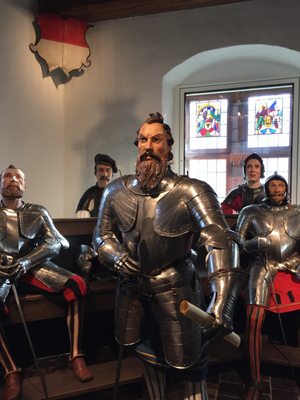
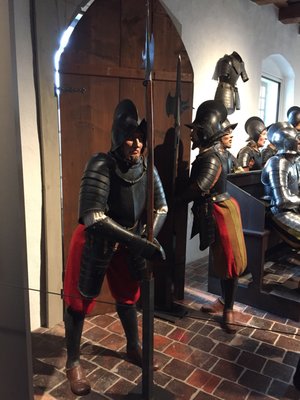
One particularly interesting section on the 3rd floor includes a group of life-sized human figures on display since 1845. This group of knights and priests recreate the Diet of Stans in 1481, which admitted Solothurn to the Swiss Confederation and ended with a strong partnership of 13 cantons, both rural & urban, German & French, a pivotal moment leading the way toward the modern Switzerland federation.
During our visit, the 4th floor was empty and appeared to be undergoing renovations (which had already happened to the rest of the building from 2014-2016) or perhaps set-up for an upcoming temporary exhibit.
The basement (which is reached via elevator) is where you'll find the restrooms.
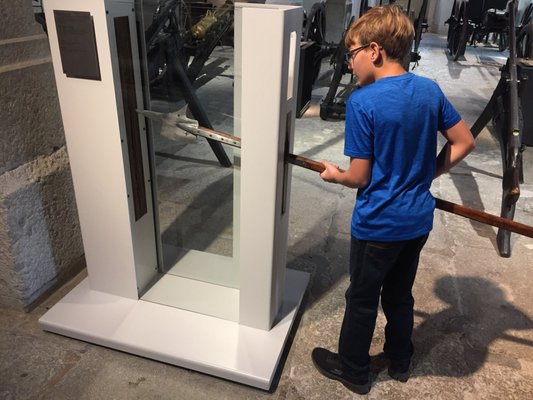
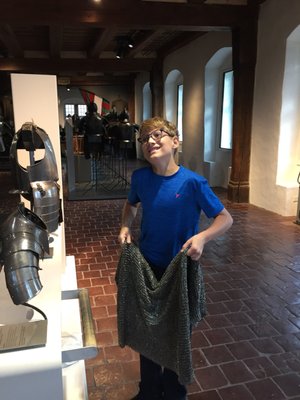
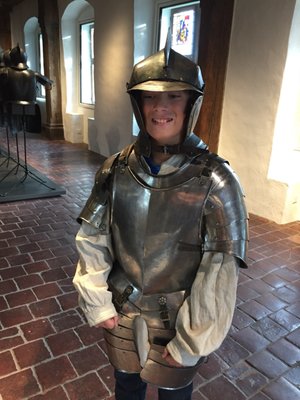
At several stations throughout, there are interactive components where one can listen to music of the time, try out a weapon, put on a suit of armor, or even write in a journal about how war has impacted you personally. If you like, you can even pick up an iPad to carry around with you for real-time translation of the information cards at each exhibit (which really raised my understanding & appreciation of everything I was seeing). The museum definitely lives up to its stated goal of being "a cultural-historical themed museum focusing on military history; ... a place of dialogue and reflection with a broad audience on the subject of 'conflicts and their solutions'."
The museum offers a peek at the collection online, so even if you can't make it to Switzerland any time soon, you can learn a great deal from whereever you are at http://sammlungmaz.so.ch/eMuseumPlus (just use Google Translate in Chrome if, like me, you don't speak German).
Hours:
Tue to Sat 13:00 - 17:00
Sun 10:00 - 17:00
Mon closed
Fees:
6 CHF adults
4 CHF students/military/elderly
10 CHF families w/ kids under age 16
free kids 8 and under
free (all ages) with Swiss Pass!
https://museum-alteszeughaus.so.ch/startseite/
https://museum-alteszeughaus.so.ch/museum/dauerausstellung/