Museum of the Galician People
Ethnographic museum · Santiago ·

Museum of the Galician People

Ethnographic museum · Santiago ·

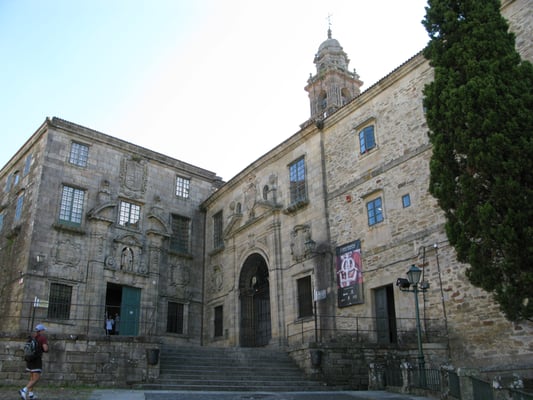
Museum of Galician culture in historic convent

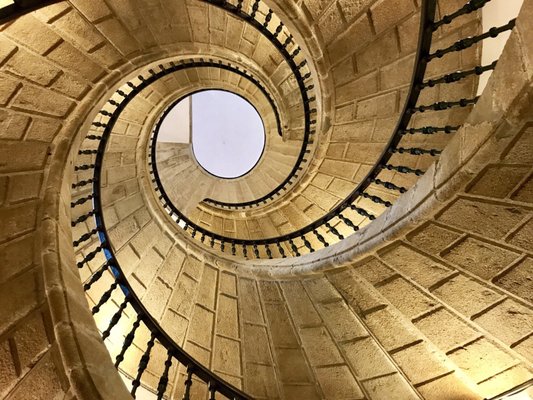
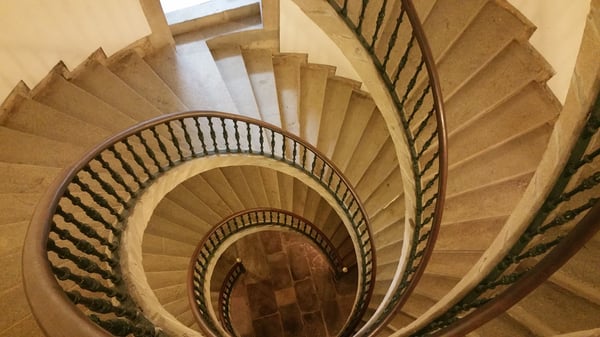
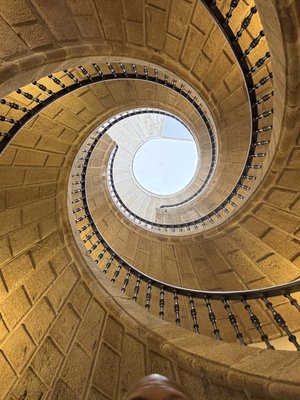
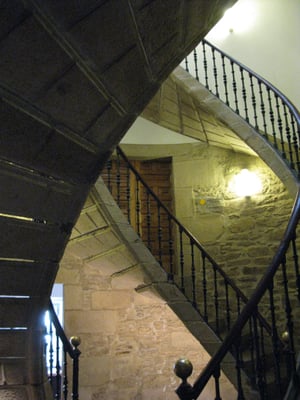
triple helix staircase
galician history
old convent
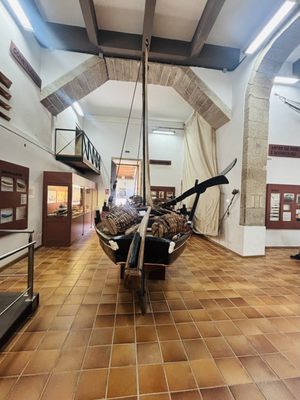
fishing boats
lacework
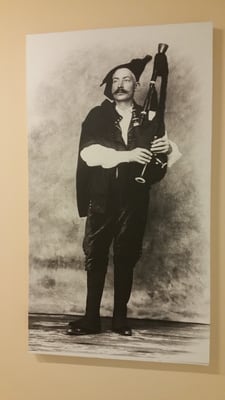
musical instruments
rosalía de castro
stone building
Museum of the Galician People by null

Information

Costa de San Domingos, 3, 15703 Santiago de Compostela, A Coruña, Spain Get directions

Restroom
Wheelchair accessible entrance
Wheelchair accessible restroom

Information

Static Map

Costa de San Domingos, 3, 15703 Santiago de Compostela, A Coruña, Spain Get directions

+34 981 58 36 20
museodopobo.gal
museodopobo
𝕏
@museodopobo

Features

•Restroom
•Wheelchair accessible entrance
•Wheelchair accessible restroom

Last updated

Jan 25, 2026

Powered By

You might also like

Terms of Use • Privacy Policy • Cookie Policy
 © 2026 Postcard Technologies, Inc.

Seokjin H.

Google
Housed within the Convento de San Domingos de Bonaval, this museum is dedicated to preserving and showcasing the traditions, society, and cultural heritage of Galicia. Its exhibitions explore local customs, crafts, maritime life, and rural culture, making it an essential stop for understanding the region’s identity.

Carl D.

Google
Very extensive collection of artefacts from 1900s about lives of Galician people, also some geology of the area and nice scenic film of the area. Not much in English though apart from interactive section where you can choose from multiple languages. Fascinating triple helix staircase built in C16?

David R.

Google
This museum is worth a visit. Very nice and informative facts about Galician culture and history. The triple staircase is mind boggling. Is incredibly beautiful and unique in the World.

Petr K.

Google
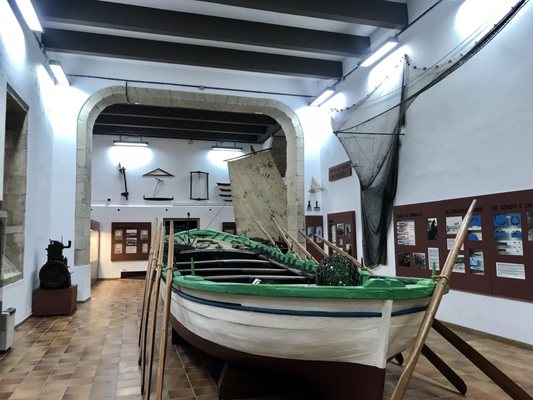
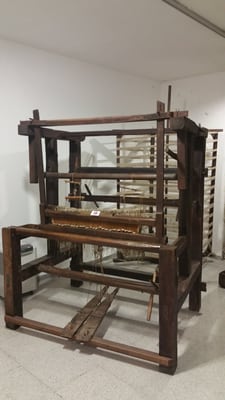
Wow, MPG swept me away! Housed in a stunning old convent, this gem dives deep into Galician life think fishing boats, intricate lacework, and ancient musical instruments that hum with history. The triple helix staircase is a total showstopper, spiraling like something out of a dream. Tickets are €5 (or €2 for students/seniors, free for kids under 18), and trust me, it’s worth every cent. Grab the multimedia guide on their app for a richer experience, especially if Galician isn’t your tongue. Oh, and did you know the Pantheon of Galicia here holds the remains of legendary Galician poet Rosalía de Castro? Don’t skip this soulful journey into Galicia’s heart!

Nigel D.

Google
Well worth a visit. 2e you can't go wrong. Strangely the upper floors have English translation but the entry level doesn't. There is the incredible three stair spiral staircase and an elevated view of the adjacent church. Personally I would have liked to see more about Galician influence on Spain, America and trade

M. S.

Google
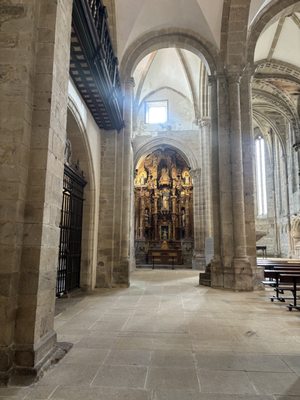
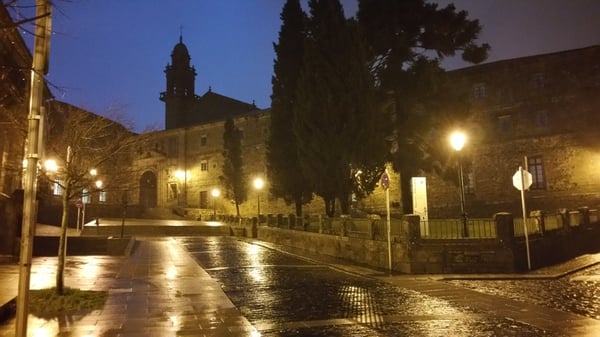
Diverse collection, mostly in Spanish but English is available. Beautiful old monetary with church.

Tonghui T.

Google
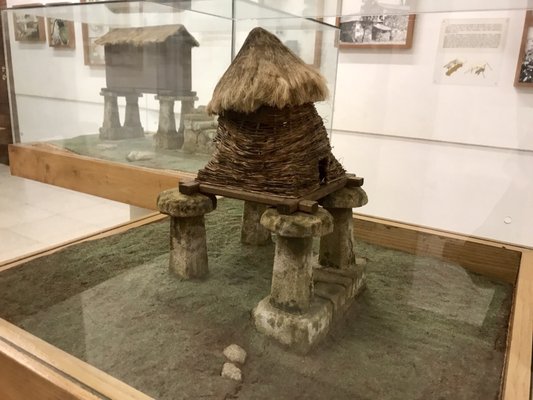
Very good museum to understand Galicia culture. I gained a lot of knowledge about the stone building of the church and the method of farming. If you want to learn more about the people live here, please come. If you want to learn more about the people live here, please come.

Monica F.

Google
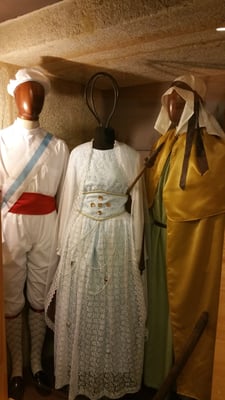
So many interesting aspects of historical and cultural references of Galicia are displayedi the museum. You can find musical instruments, boats and fishing, traditional costumes, stones and and artefacts dating back to roman time. The famous spiral staircase is a must. Well worth visiting. Tickets are required durante the weekdays, but they are approximately 5 euros per adult. On Sunday is free entry.
google avatar

Kwame S.

Yelp
Since very few people were in the Museo do Pobo Galego, I assume that this museum could be considered a hidden gem in Santiago. I highly recommend checking out this museum if you have an interest in local culture and history of the region. Also, it might be a good spot to visit if you want to take a bit of a break from the pilgrims. ;) The building itself is absolutely amazing. I believe it used to be a Dominican Church/monastery (but don't quote me on that). Most of the displays focused on the local prehistoric and modern history of Galicia. For the most part, I thought the museum was well-organized. However, there were a couple of times when I was led back into gallery rooms that I previously visited. However, perhaps that was more on me not paying attention to where I was walking. With easy viewing, I think a regular visit will take about 45-1.5 hours depending on how long you view specific displays. Overall, I highly recommend taking a few moments to visit el Museo do Pobo Galego - especially on a rainy day.
google avatar

Mark K.

Yelp
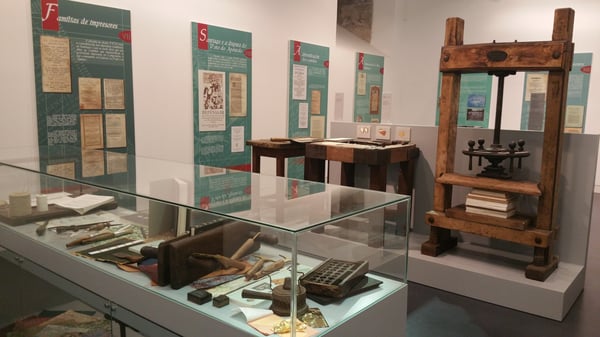
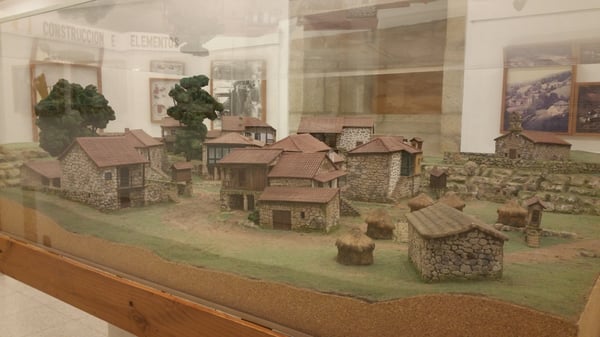
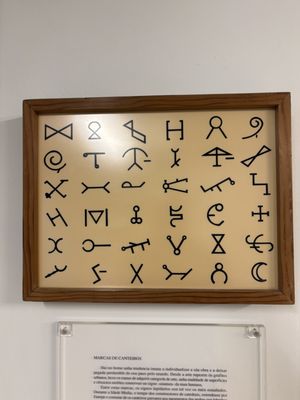
This museum is a hidden gem. A sleeper attraction in Santiago, it is worth putting on your itinerary if you have any interest in local culture. The location is accessible from city centre as it is only a 10- or 15-minute walk. Appreciation of the museum begins with the building itself. It is a lovely 13th-century former Dominican Church that has been restored to excellent condition. The building is an interesting place to wander. The unique triple-ramp spiral staircase is the highlight among the building's architectural features. It is also worth taking a couple to minutes to admire the courtyard. There are displays that document the seafaring history of Galicia. The traditional occupational pursuits of the region are featured along with local handicrafts. Traditional regional clothing through different eras is also highlighted. In addition, exhibits for music, housing and architecture are prominent. There is a demonstration of local artwork and a feature on literature and printed media. Most of the descriptions for the exhibits are in the local Galician language but there are placards within the various areas that give decently detailed explanations in English. The visuals allow a good appreciation of the items even without the written accompaniments. If you have any interest in learning more about that which encompasses the cultural makeup of the Galego people, this will be a treat. In short, make sure to put it on your agenda. The €3 fee is well worth it.
google avatar

Brianna B.

Yelp
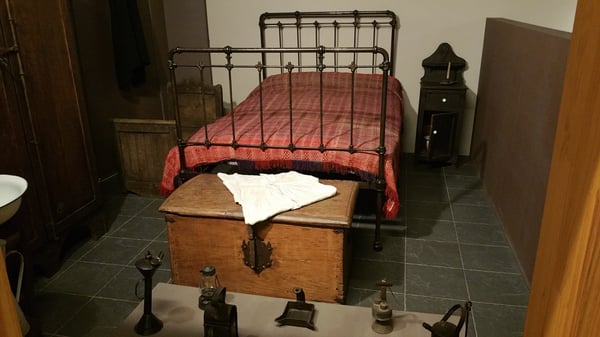
This is a super interesting museum! It is all about galician history and culture, so it is really nice to go through if you are new to the region. I loved seeing all the traditional clothing, houses, and way of life. They also have this super awesome spiral staircase that is really cool to look up at! It barely costs any money to enter and it is perfect for escaping the rain.
google avatar

Qype User (.

Yelp
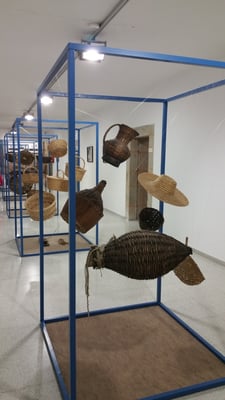
Great place to anchor oneself in Galician culture - no pun intended, although there are things in exhibits related to this seafaring people. The exhibits are permanent and rotating. That is part of the appeal, once again, of the ability of Galicia to seem eternally the same yet constantly surprising you with new old facts or simply new tidbits. The web site is really excellent, and gives an idea of how the exhibits are intended to reflect the local history and culture. The sea, the farm, music, regional dress, crafts, habitat, and much more. And as always, in Galicia, here's the granite, the stones ancient and just really old, written on, sculpted, placed nonchalantly to make you think they required human hands to get there. Even the building that houses the collections is really worthwhile - it was an old convent, probably 13th century, but what you see is from around 1700. Besides the anthropological exhibits, there are modern art displays at times and exhibits of places like Cabo Verde. Look closely - there is a common thread to all. The museum has recently acquired several personal libraries of local intellectuals, which makes it a cozy and very good resource for researchers in Galician themes. It appears some online access is being created mow. The Museo do Pobo also has a long standing publication activity. It might be more fruitful to go the first time with a friend who can lead you around, make sure you see the winding staircase with several layers of spirals (or so it seems), point out the incredible skill of the basket or clog makers represented in the permanent displays, and just wax sentimental over the culture. After that, you can return by yourself to study the parts that interest you the most. For me, it depends on my mood and how much time I have. Some days it's sea, some days it's land and how agriculture was carried out here. Other days it's entertaining to spend time talking to the people who work in the museum. They too have a lot to offer and are usually generous with the information.
google avatar

Juan M.
Yelp
Awesome place that really tells the story of the Galician people (well, most - apparently, "struggling with poverty" and "dirt existence" were primary criteria for being discussed here). Why not 5 stars? Okay, for whom is the museum? If you want people outside of Galicia to learn about you, how about having things in something IN ADDITION to Gallego? I mean, I get that you are proud of your language, Franco was a bad ass, etc. - but if I (who am fluent in English and Spanish) am struggling to understand and read the captions, how do I come away blown away with how AWESOME a people Galicians are? Lend a 25% Galician brother a hand!
google avatar

Ajay R.

Yelp
Not really much to see in here... a spirally staircase with some boring displays. The only part that was worth it was the old church. That was kinda cool.