Basil C.
Google
Stepping into the Archdiocesan Museum in Kraków feels a little like crossing a hidden threshold—one of those quiet wooden doors that doesn’t boast, yet opens into a world humming with memory, faith, and astonishing beauty. The museum doesn’t overwhelm; it invites. It slows you down. And in a city already rich with history, that quiet invitation feels like a precious rarity.
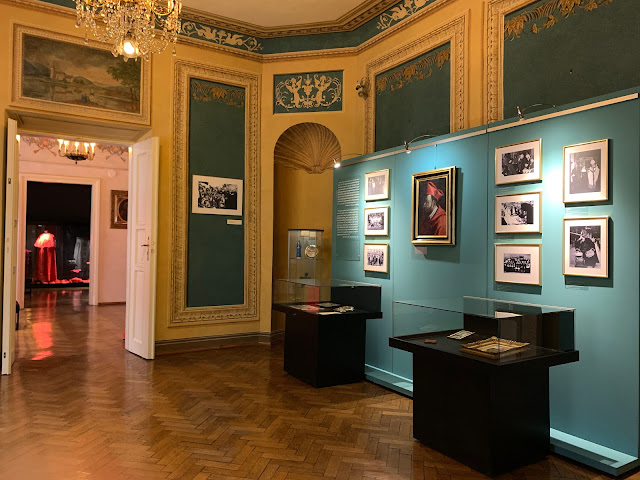
What makes this place extraordinary is not simply its collection, but the life once lived within its walls. This was the Archbishop’s residence of Karol Wojtyła—the future Pope John Paul II. You’re not just walking through a museum; you’re walking through the home, the corridors, the very atmosphere where one of the most influential spiritual figures of the 20th century prayed, worked, struggled, and grew into the man the world would later know as a saint. The house still carries that warmth. That gravity. That unmistakable human closeness.
His presence is everywhere—not as myth, but as memory. A striking photograph of him in full liturgical vestments radiates both solemnity and gentleness. It reminds you that before he crossed oceans, he walked these streets. Before he spoke to millions, he listened to the quiet voices of this very city.
The collection itself is a journey of its own. Sacred art spanning centuries demands your attention—most powerfully in the vivid depiction of St. Michael the Archangel, captured mid-victory, wings alive with colour and conviction. The battle between light and darkness has rarely felt so visceral. And then, in another room, John Paul II’s own words blaze across a red wall, speaking straight into the anxieties of the modern heart. His 1985 message—on isolation, ideological noise, and the fragile wings of hope—lands with startling clarity today.
What grounds all this is the museum’s humility. Wooden doors. Simple plaques. Light and silence. A museum that doesn’t insist on grandeur, but draws you into stillness. This is a place built for reflection, not spectacle.
Walking out, Kraków’s streets feel subtly different—as if you’re carrying an interior lantern that wasn’t lit before. The Archdiocesan Museum offers more than artifacts; it offers encounter. Encounter with beauty. With history. With a saint who once brewed tea in these rooms. And perhaps, if you linger long enough, encounter with your own interior life.
For anyone seeking depth, meaning, or simply a moment of genuine quiet in Kraków, this house-turned-museum is a restorative, unforgettable stop.