Nara Hotel
Hotel · Nara-shi ·
Historic lodge with French & Japanese dining, tea lounge, bar





Information
1096 Takabatakecho, Nara, 630-8301, Japan Get directions
Historic lodge with French & Japanese dining, tea lounge, bar
1096 Takabatakecho, Nara, 630-8301, Japan Get directions
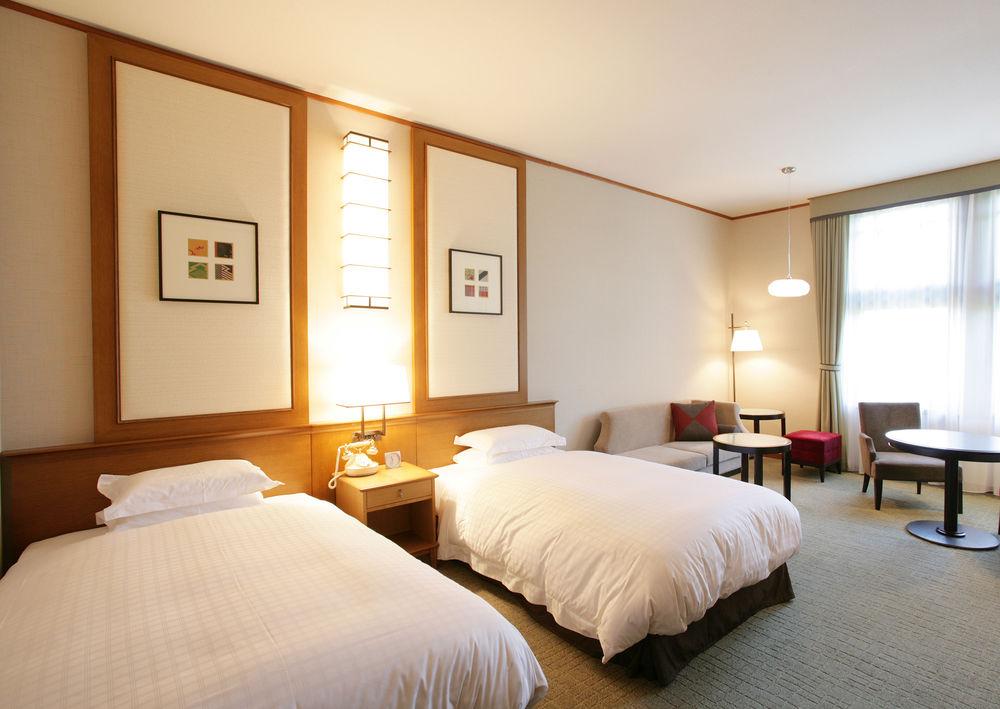
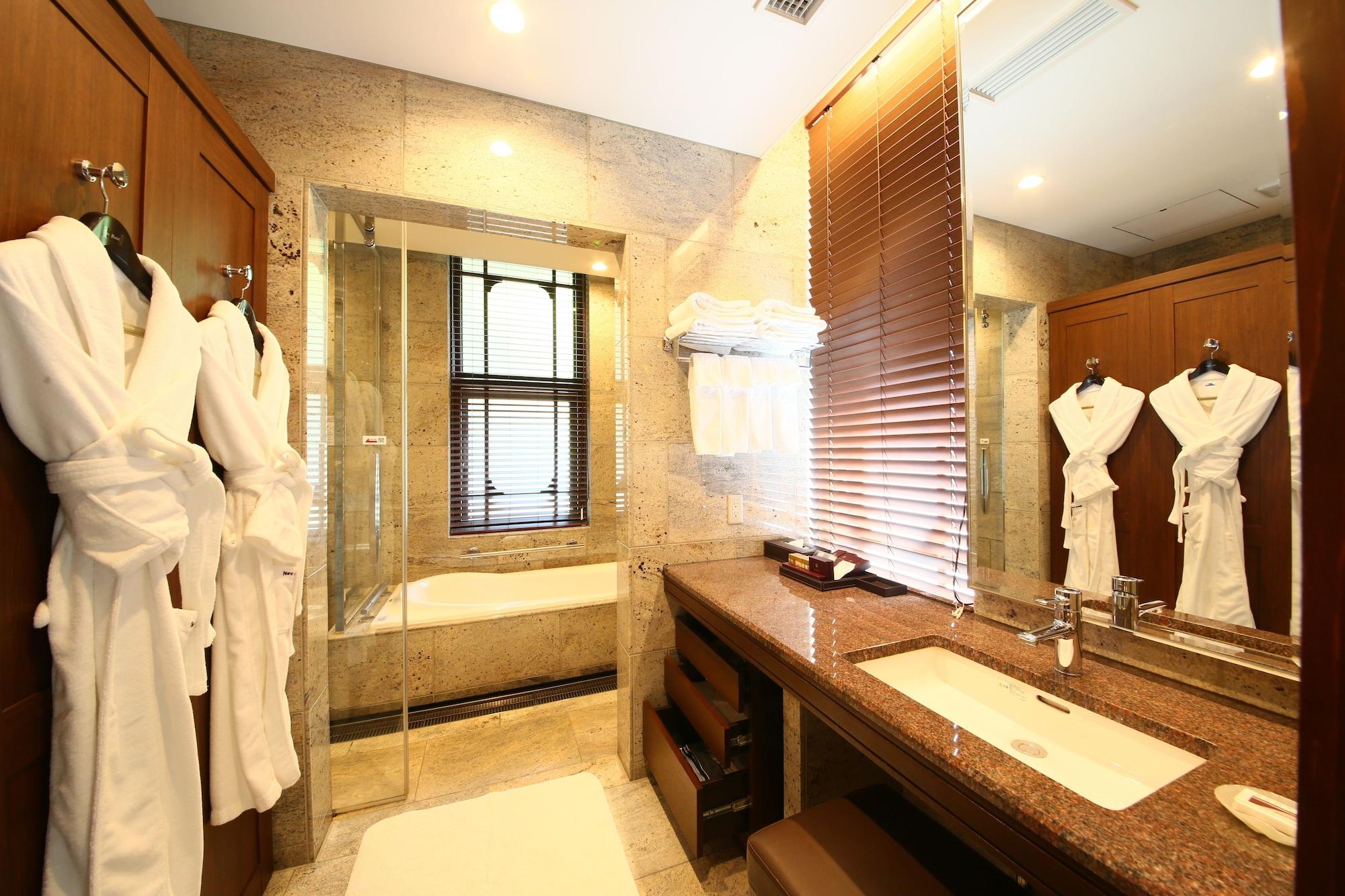
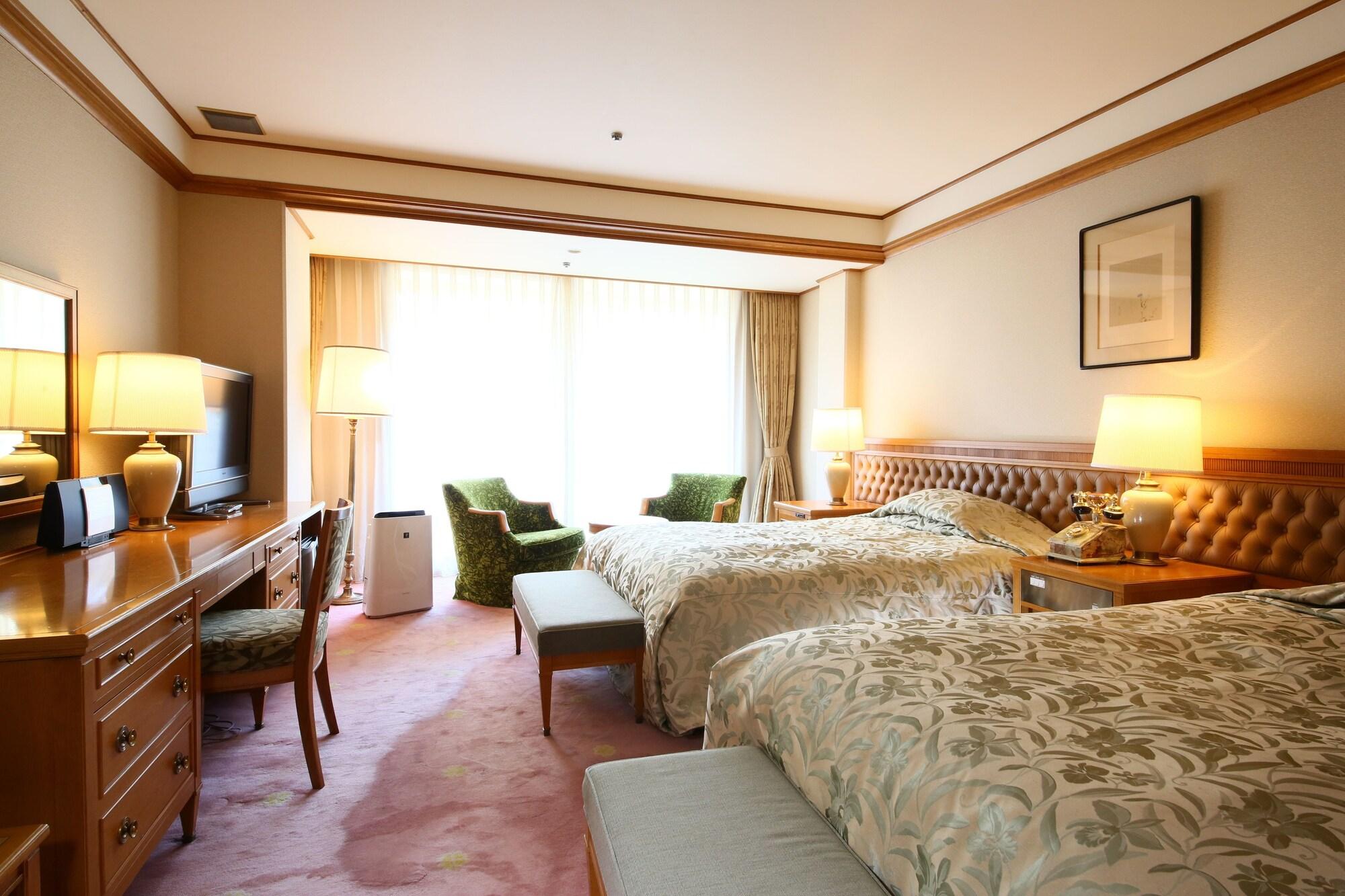
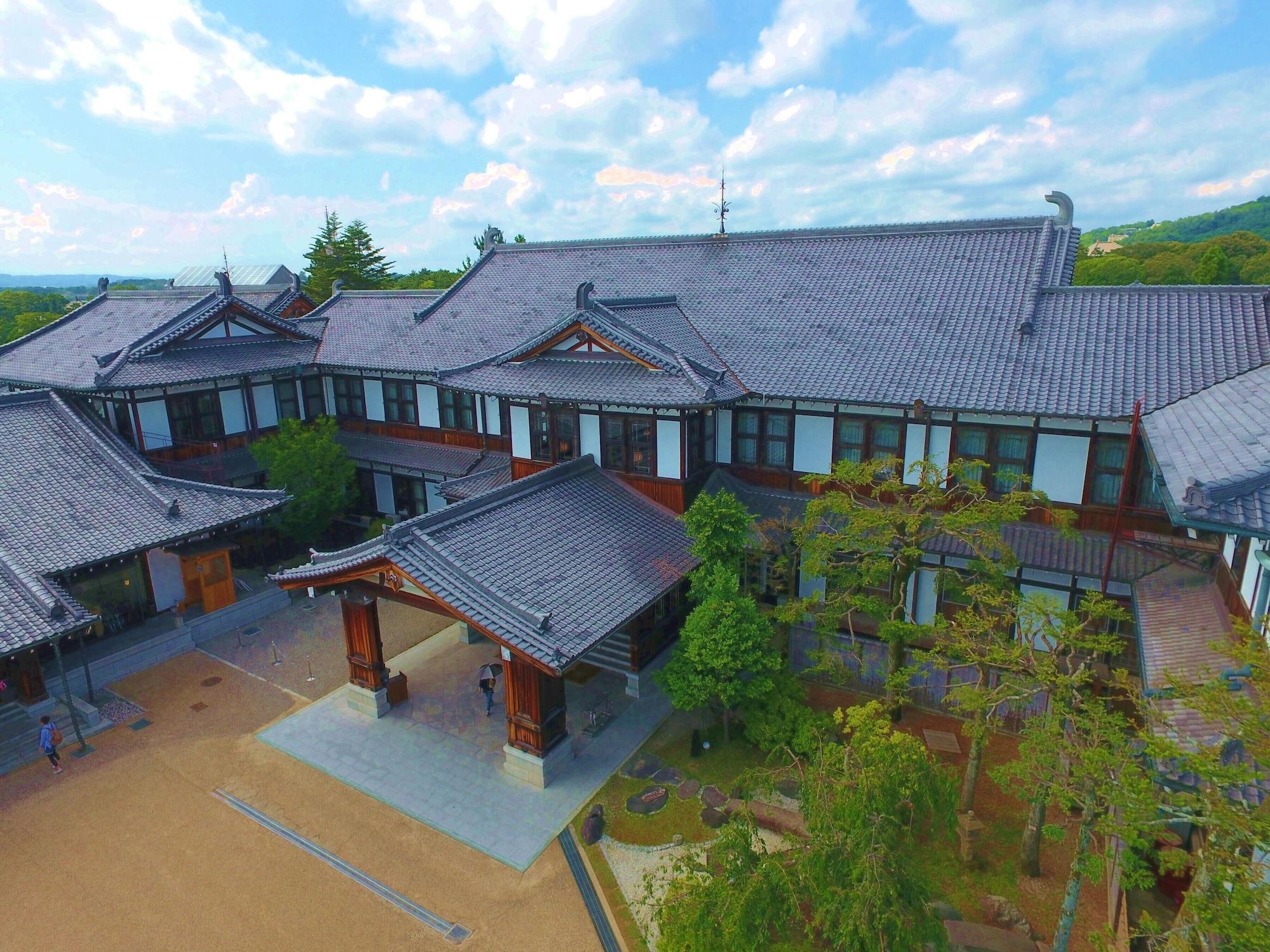
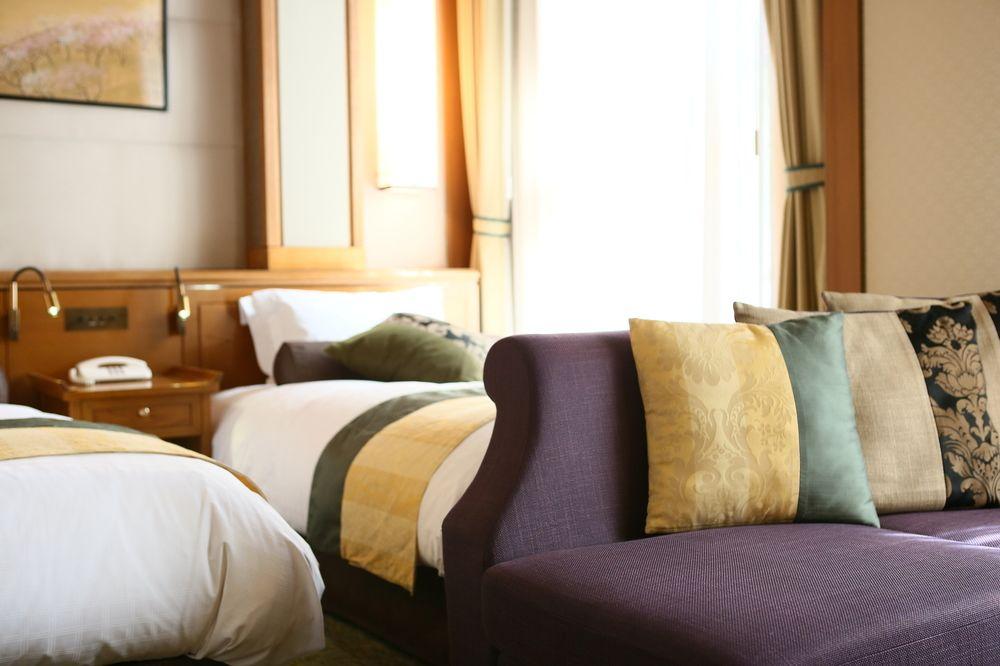
"Set in the 1,600-acre national treasure that is Nara Park, the Nara Hotel dates back to 1909, and has welcomed notable guests from Edward VIII and Charles Lindburgh to Pope Paul VI and the Dalai Lama. Rooms and suites are designed in traditional style, but adhere to contemporary standards of comfort. The hotel houses two restaurants, the Mikasa, which serves traditional French cuisine, and the Hanagiku, which offers a Japanese menu based on select seasonal ingredients, as well as a charming tea lounge and a bar serving cigars and the finest liqueurs. The hotel grounds also include the Former Daijoin Temple Garden and St. Raphael Church. As well as the park, the hotel offers easy access to some of Nara’s most important cultural sites, including Nara National Museum, Todaiji Temple (with its 50-foot statue of Buddha), and Kasuga Grand Shrine." - Tablet Hotels
Josh M
S.K
Ej F.
Devon C.
Art M.
William J.
John W.
Pathfinder616068
