HANS X.
Google
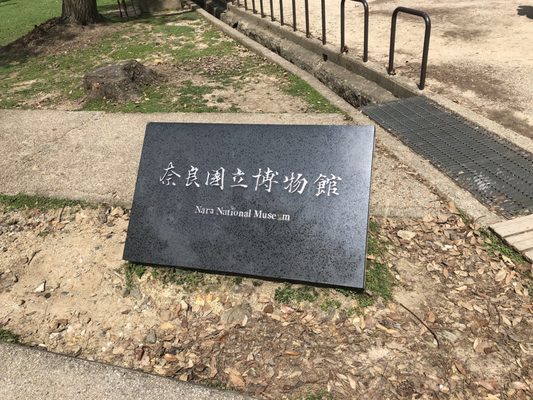
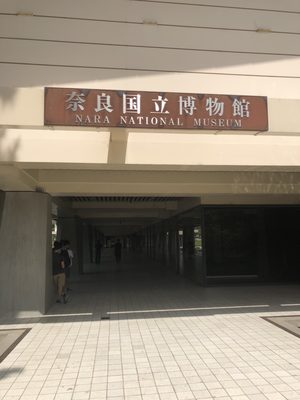
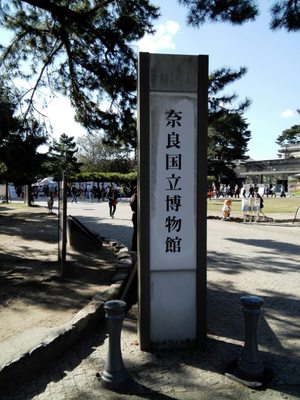
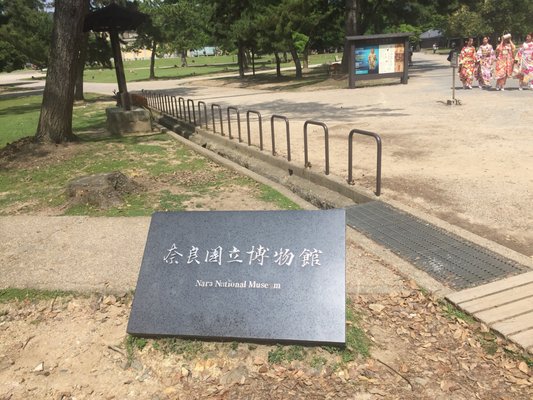
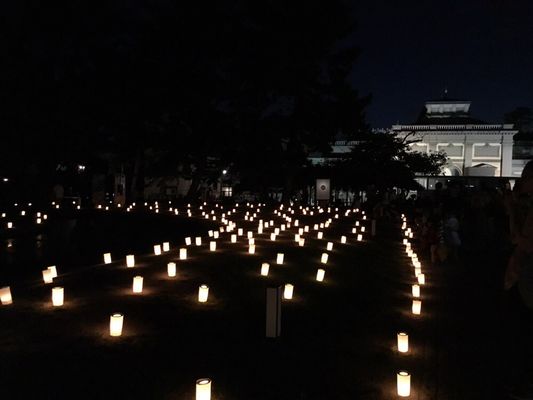
The Nara National Museum, located in Nara, Japan, is a prominent cultural institution dedicated to preserving and showcasing Japanese art and Buddhist heritage. Established in 1889, the museum is situated in Nara Park, a historic area renowned for its ancient temples, friendly deer, and serene atmosphere. The museum plays a vital role in highlighting Nara’s significance as Japan’s first permanent capital and a cradle of Japanese culture.
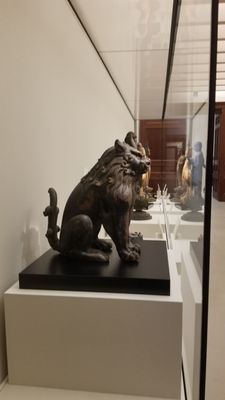
The museum’s collections are particularly rich in Buddhist art, reflecting the deep spiritual history of the region. Its holdings include statues, paintings, ritual objects, and sacred texts spanning various periods, from the Asuka and Nara periods (6th-8th centuries) to later eras. Among its most notable artifacts are the exquisite sculptures and ceremonial relics that offer a glimpse into the craftsmanship and religious devotion of early Japanese artisans.
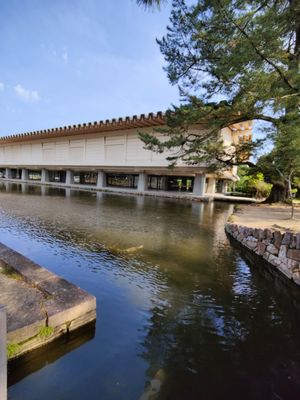
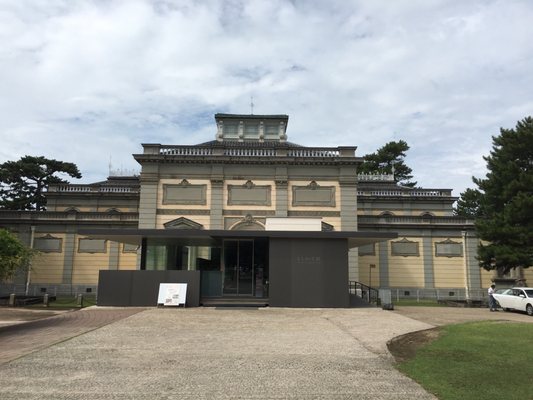
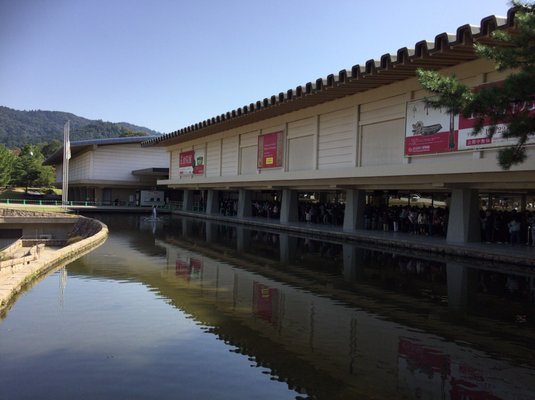
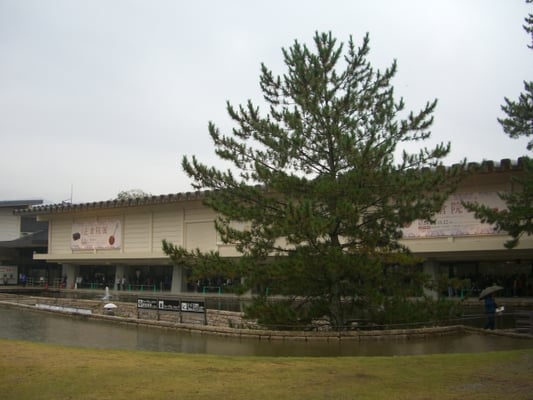
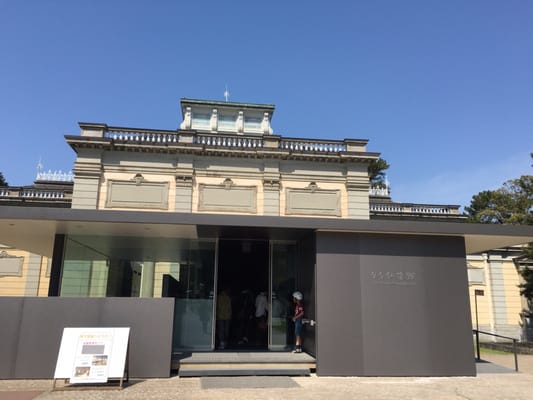
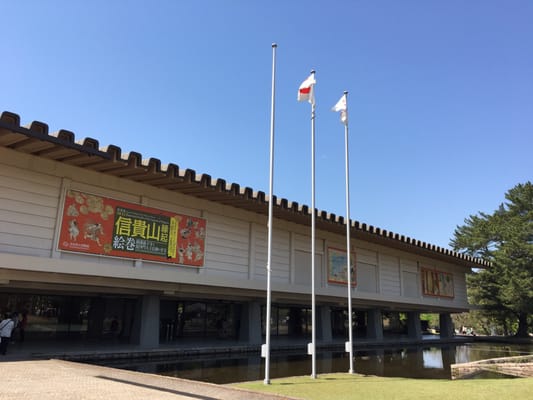
The Nara National Museum comprises two main buildings: the original Main Hall, a designated Important Cultural Property, and the East Wing, which features a more contemporary design. The museum regularly hosts temporary exhibitions alongside its permanent displays, drawing visitors from across the globe.
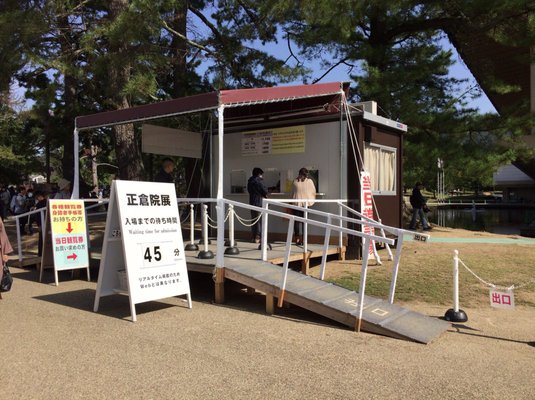
A highlight of the museum’s calendar is its annual exhibition of treasures from Tōdai-ji Temple, showcasing priceless artifacts usually kept within the temple’s Great Buddha Hall. This exhibition underscores the museum’s mission to connect the public with the profound cultural and spiritual legacy of Japan.
Visiting the Nara National Museum is a deeply enriching experience, offering insights into Japan’s artistic, historical, and spiritual traditions.