Jiawen L.
Google
文字的力量生生不息。
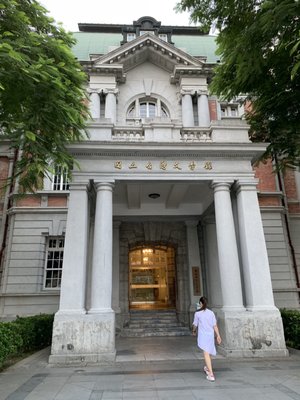
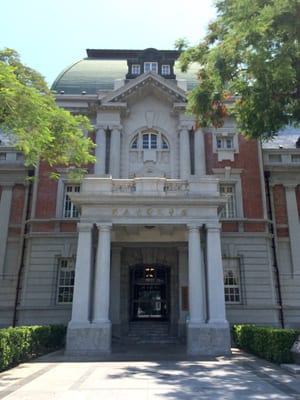
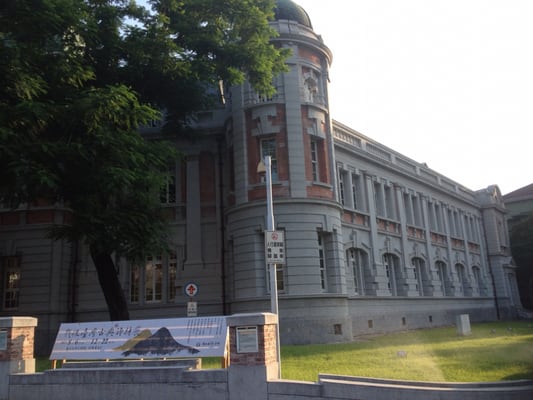
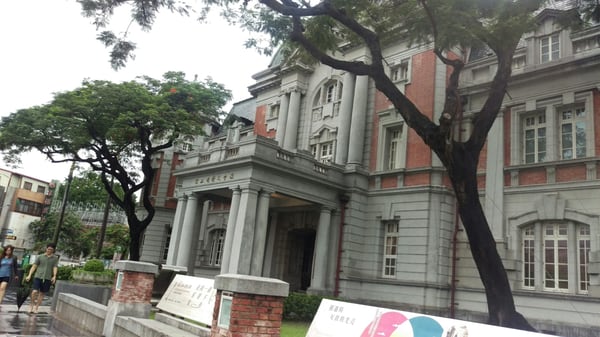
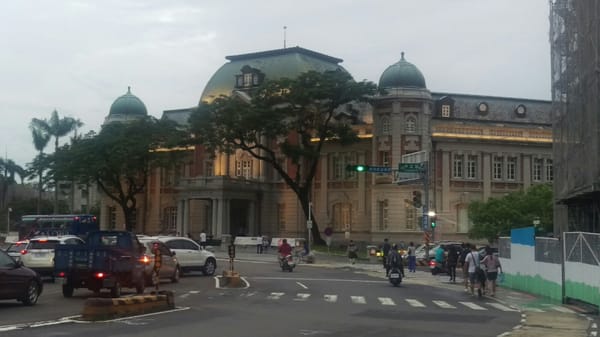
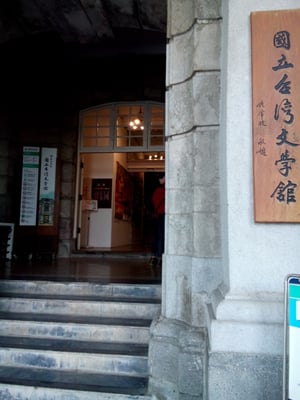
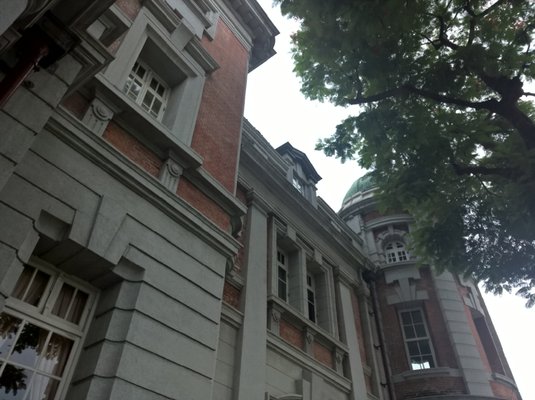
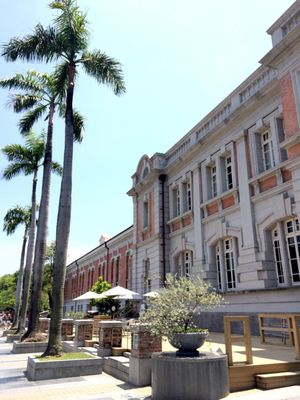
If history records the passage of time, then literature preserves the voice of a society—often its most resilient and truthful one. Visiting the National Museum of Taiwan Literature, I was deeply struck by a spirit that runs throughout the entire museum: the enduring power of words, alive across generations.
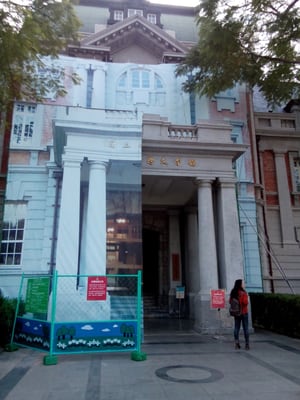
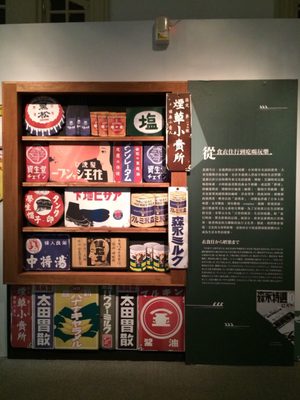
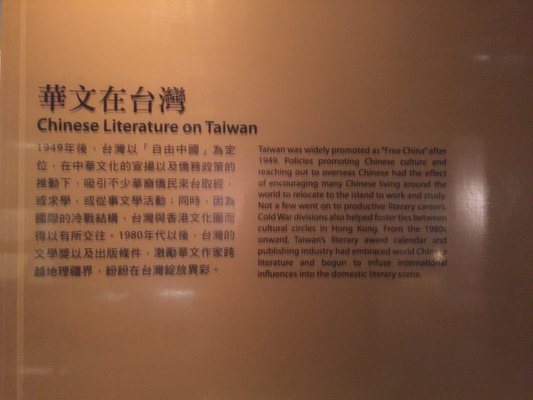
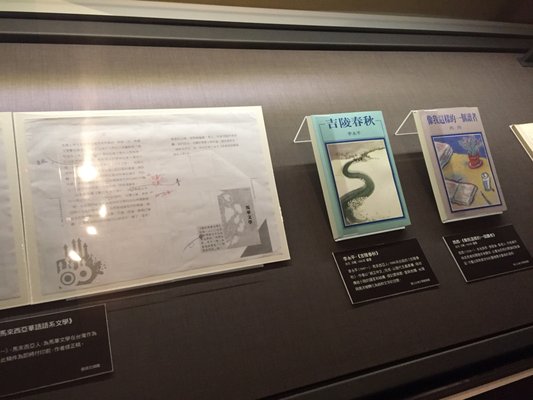
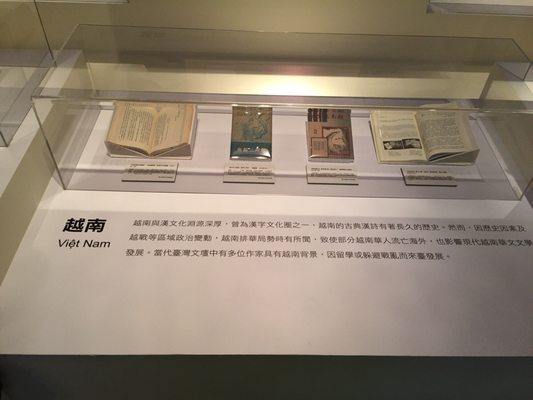
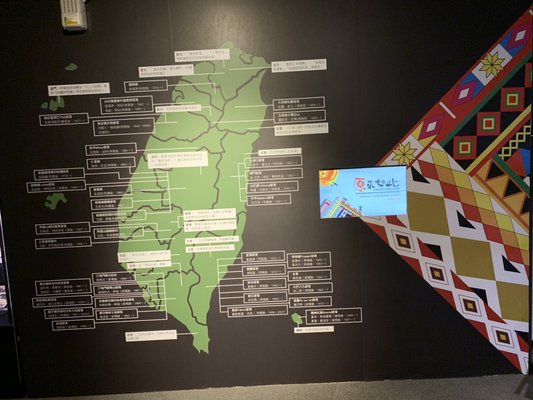
Rather than presenting Taiwanese literature as a simple chronology of authors or works, the museum situates literature within the broader historical and social formation of Taiwan itself. Across different eras—early literary traditions, the Japanese colonial period, the postwar political context, and the emergence of contemporary, plural voices—writing consistently appears as a means through which people responded to reality, preserved memory, and shaped collective identity. Literature here is not an ornament to history, but one of its core engines.
What is particularly impressive is the museum’s willingness to engage with complexity. It does not avoid historical tensions, ruptures, or silences. Instead, it uses literature as a bridge—transforming difficult experiences into narratives that can be read, felt, and understood by the public. Through discussions of language choice, identity, and the relationship between personal experience and collective memory, the exhibitions demonstrate a deep respect for history and a strong awareness of literature’s social and civic role.
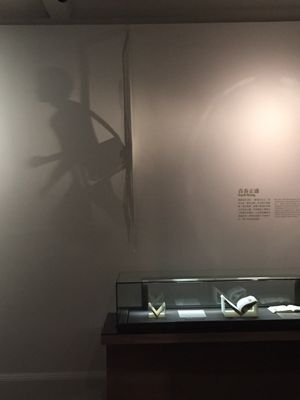
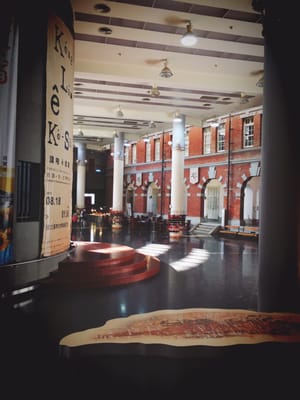
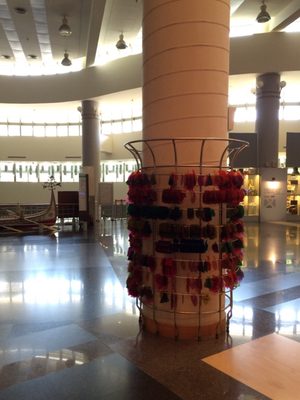
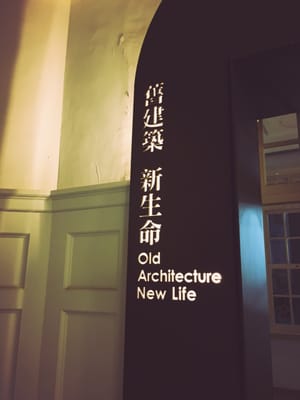
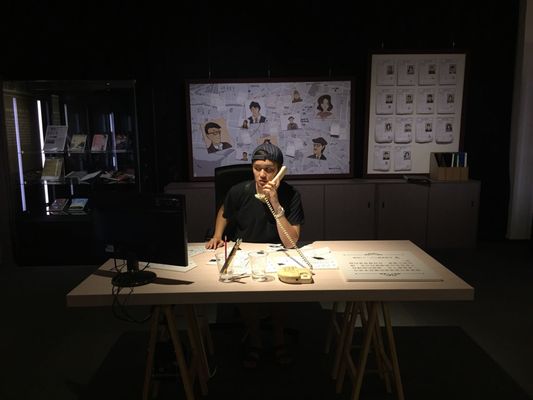
The interactive elements of the museum further strengthen this experience. They are thoughtfully designed and meaningfully integrated with the literary themes, encouraging visitors to reflect on how words are written, read, and passed on. Literature is not treated as something distant or untouchable, but as a living practice—something one can enter into and engage with. This makes the museum accessible and engaging for visitors of different backgrounds and ages.
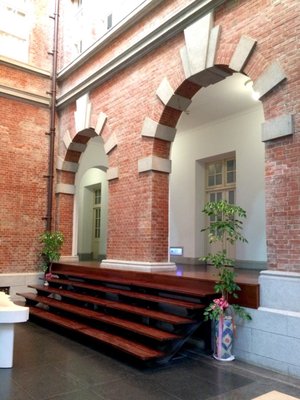
Overall, the National Museum of Taiwan Literature is far more than a literary museum. It is a public space where history, language, culture, and education come together organically. It shows how words endure under pressure, how they carry memory through change, and how they continue to grow across generations. Leaving the museum, one carries not only knowledge and admiration, but also a renewed trust in the power of language—and in its quiet, persistent role in shaping society’s future.