Ger T.
Yelp
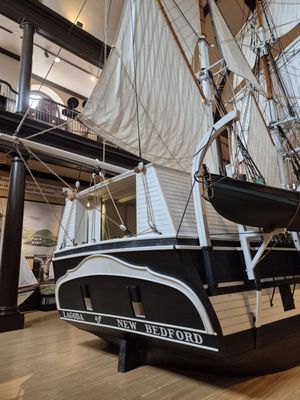
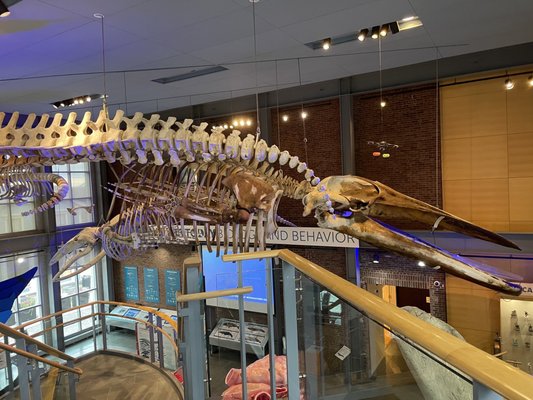
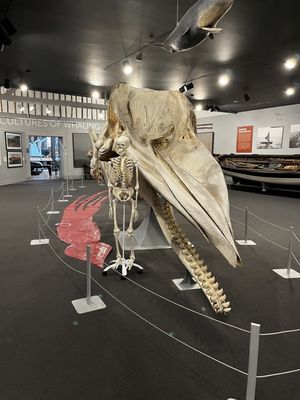
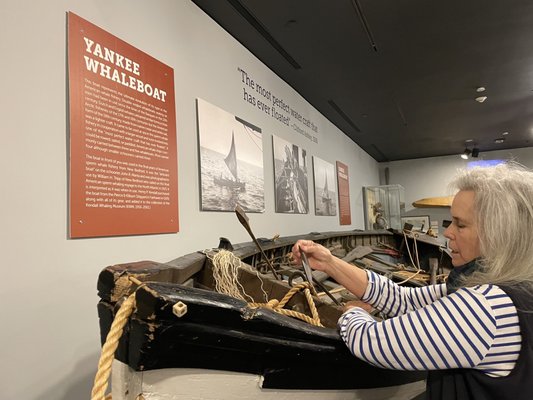
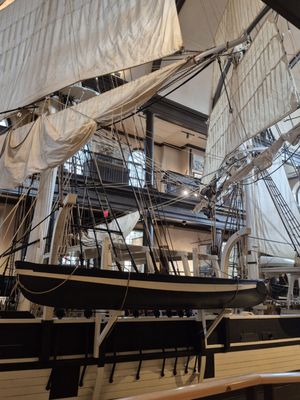
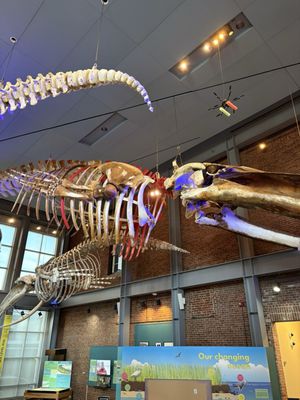
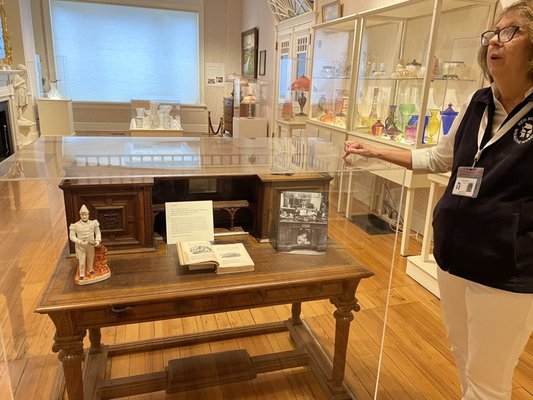
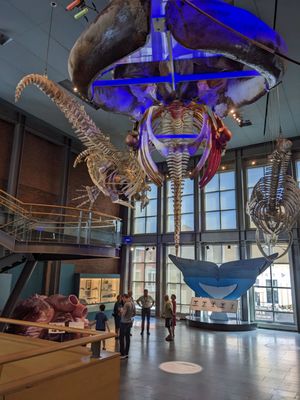
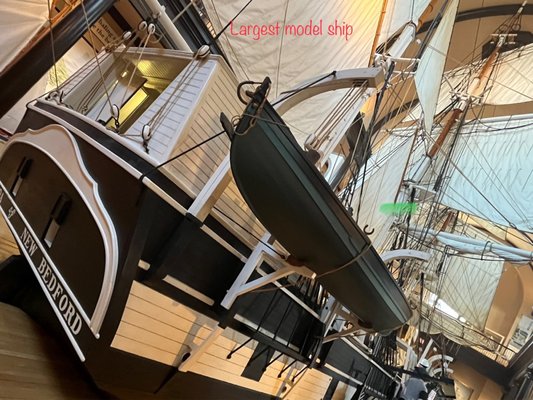
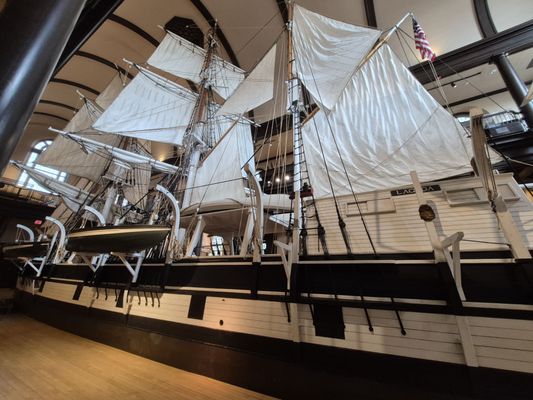
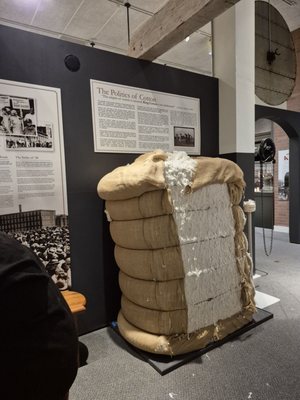
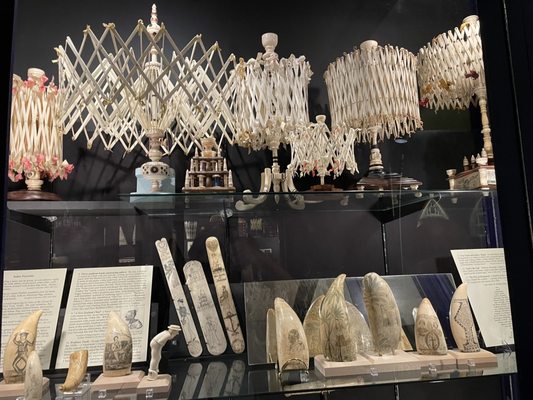
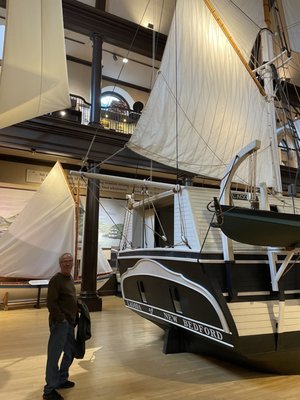
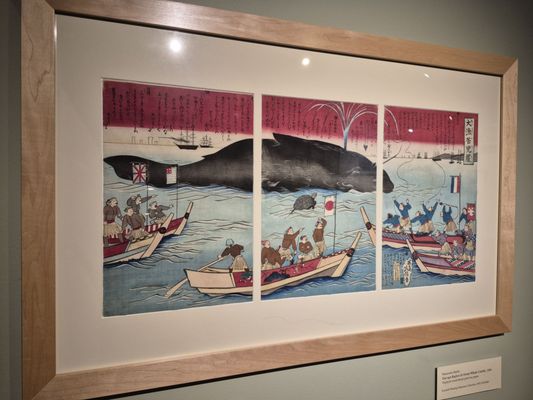
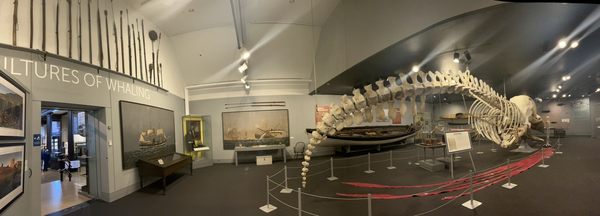
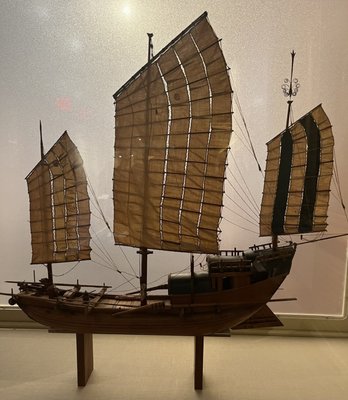
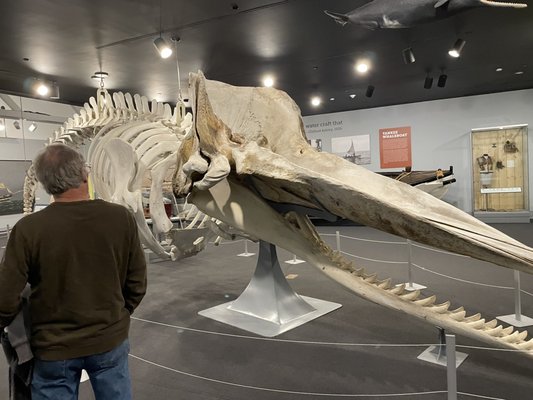
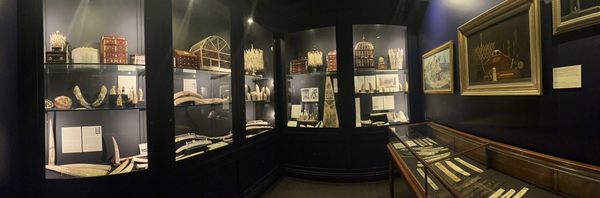
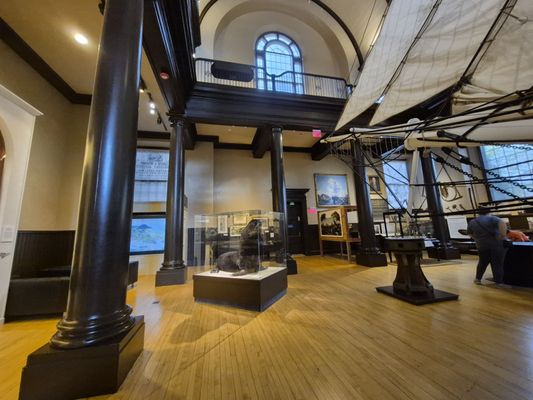
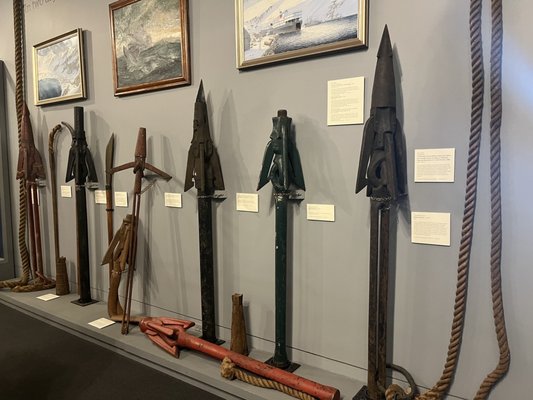
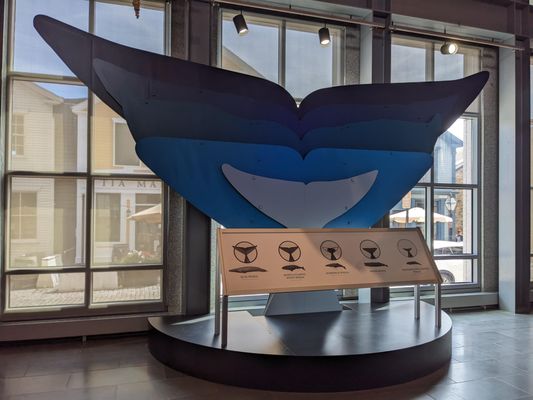
This is THE whaling museum, the largest museum in the country devoted to the history of whaling. Housed in a beautiful building on Johnny Cake Hill across from the Seamen's Bethel, the museum has three complete whale skeletons (blue whale, hanging in the entry foyer; sperm whale in its own viewing gallery, and right whale which is currently being assembled in the Lagoda Room), a full introduction to the history of whaling in New England, a short lesson on Quakers, a beautiful display of ship models, a half-scale model of the whaling bark Lagoda, a gallery of British and Dutch whaling, and several rotating exhibits. Since I've been going, they have gone from an exhibit of ironwork (harpoons and other whalecraft) to their present exhibit, "Needle/Work - Art, Craft, and Industry in a Port City."
The N.B. collection also includes everything from the old Kendall Whaling Museum in Sharon, MA, when that museum closed and was incorporated into New Bedford.
The museum itself is spotlessly well-kept and looks mostly brand-new. The architecture is amazing, and each gallery is small enough that you don't feel so overwhelmed as you move from room to room, yet you soon find that the museum is a lot bigger than it looks when you first go in! Kids will love climbing all over the Lagoda model, which is built so that everything is just right for their height (adults will have to stoop a little). It's definitely worth spending some time in the Lagoda room, especially if you can't spare the time to make the trip down to Mystic Seaport to see the Charles W. Morgan; the Lagoda is the next best thing to seeing a real wooden whaler. There's also a full-scale model of a ship's forecastle in the next room.
The museum gift shop is pretty good. Prices are high, but that's usually the case with all museum gift shops. There are bathrooms, vending machines, and a rest area downstairs by the entrance.
If you don't know anything about whaling at all, there's a short intro video for you after you buy your tickets to teach you the ins and outs of 19th century whaling and its importance to New Bedford.