Oconee Station State Historic Site
Historical place museum · Oconee County ·
Historic blockhouse & 1805 brick home on scenic acres


















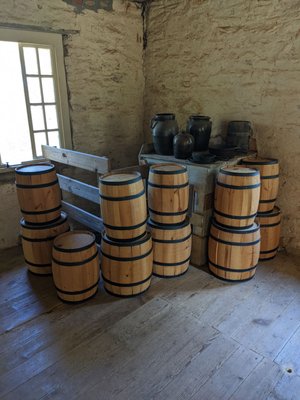
Historic blockhouse & 1805 brick home on scenic acres
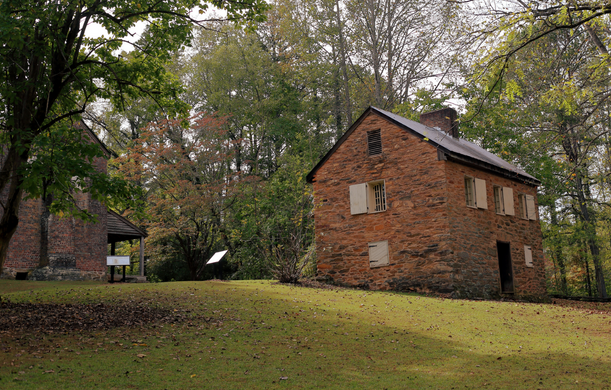
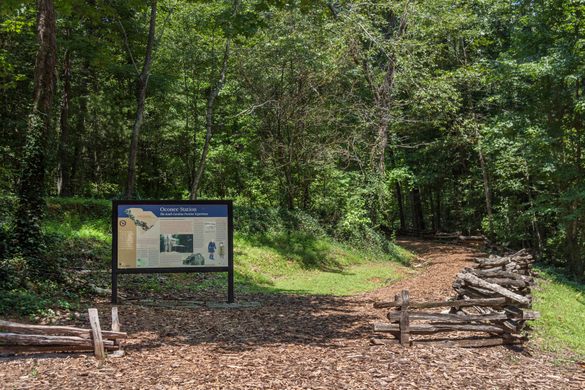
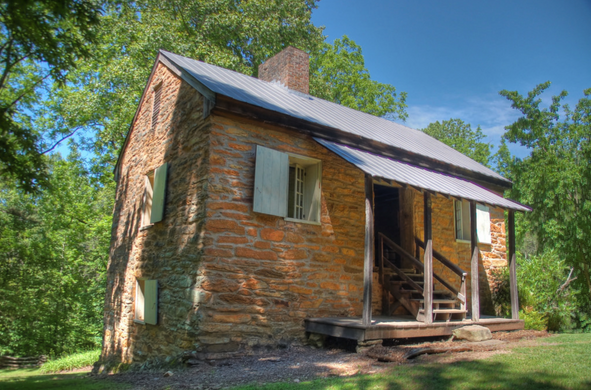
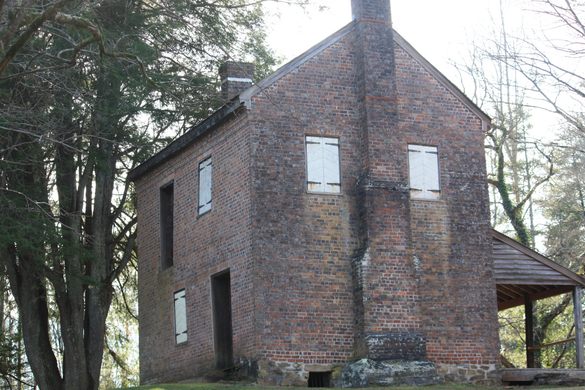
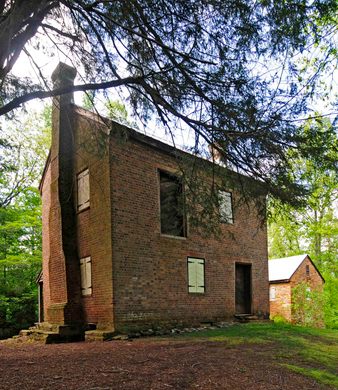
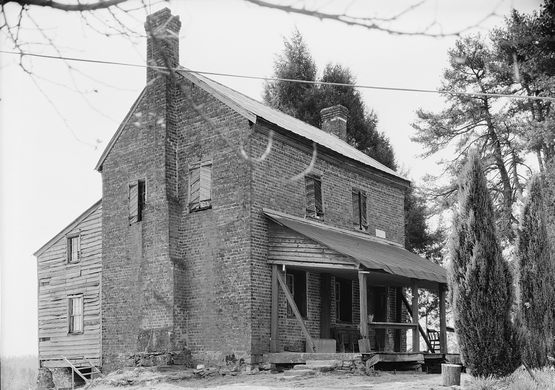
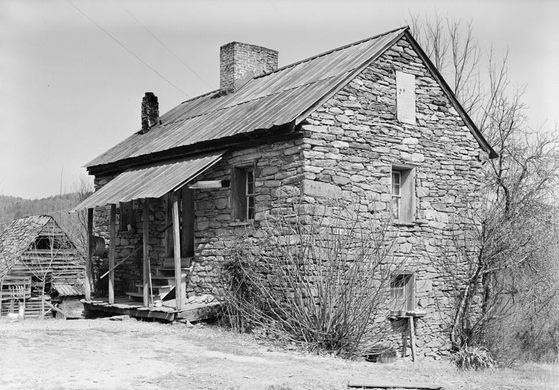
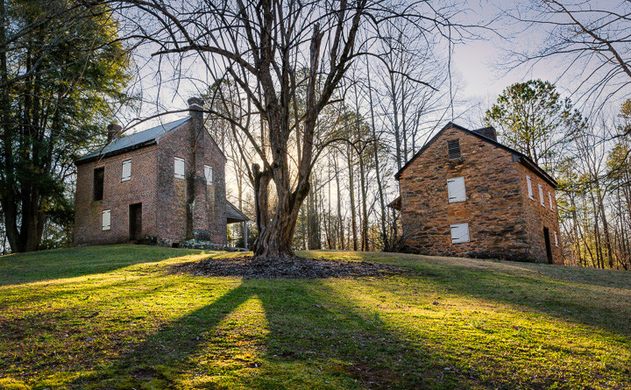
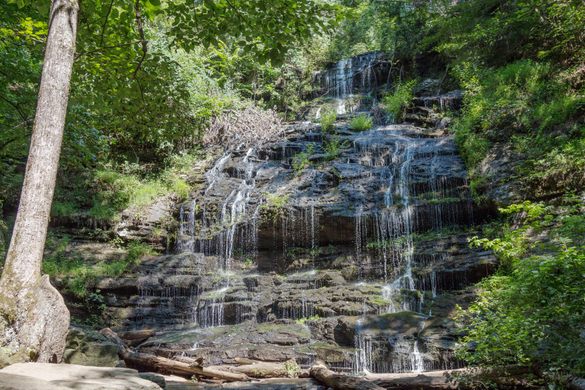
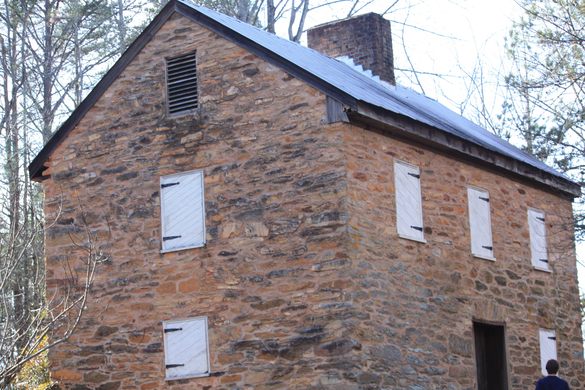
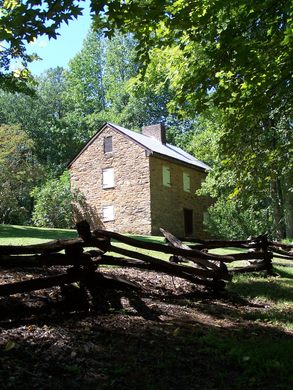
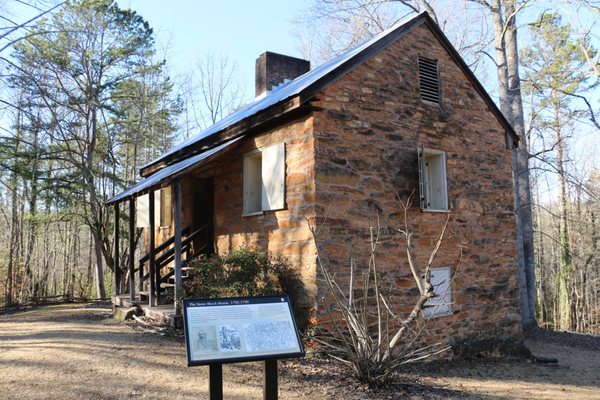
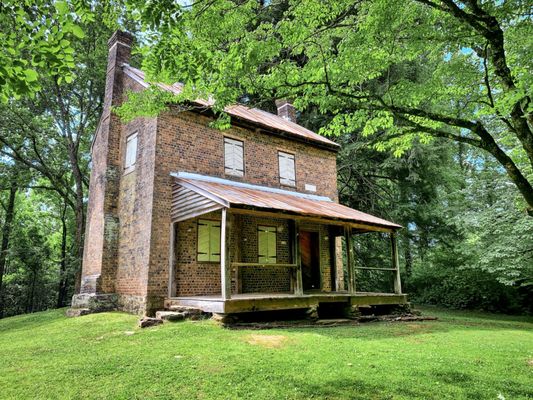
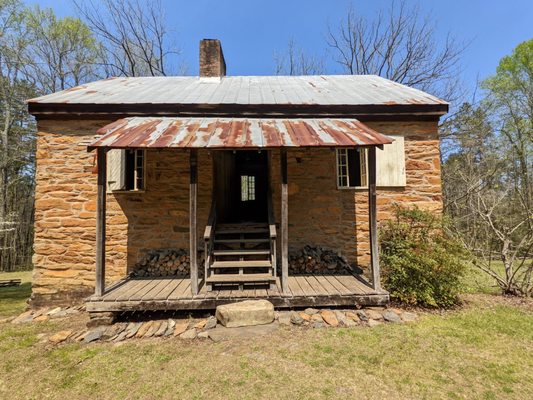
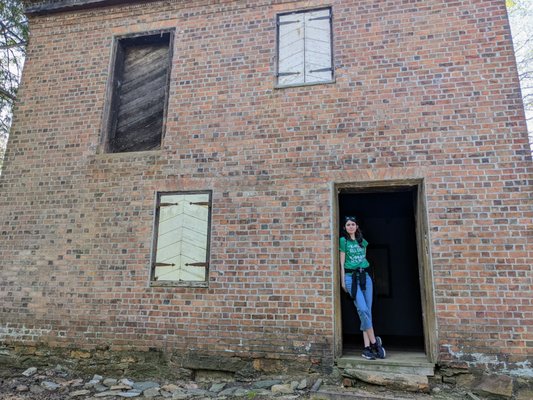
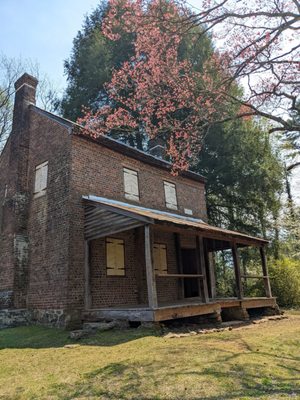
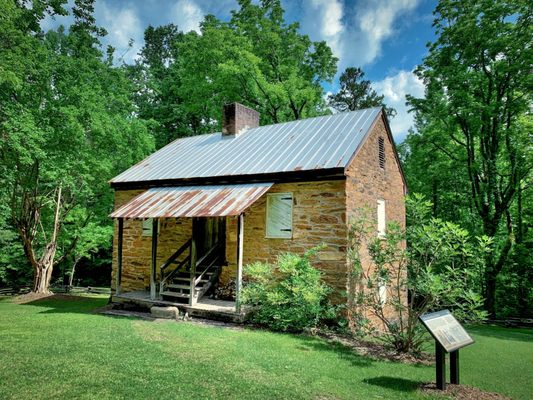
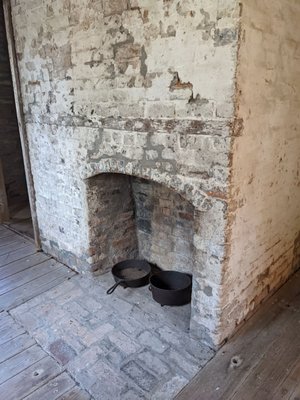
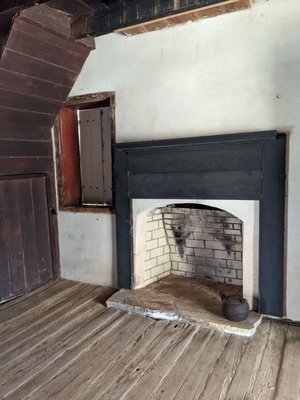
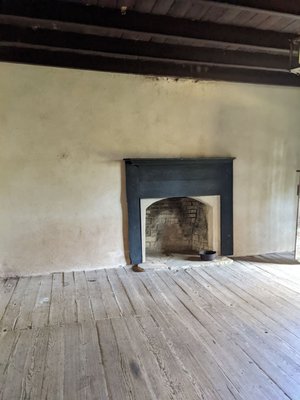
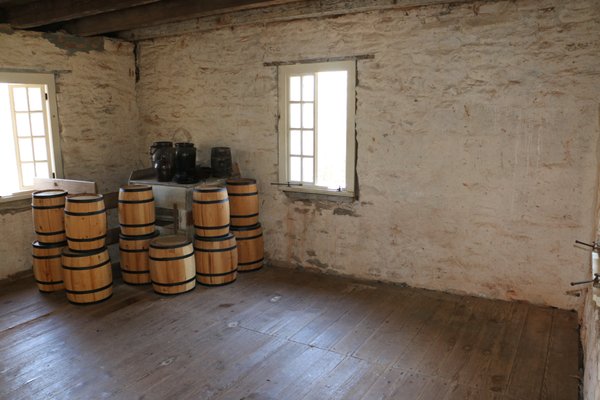
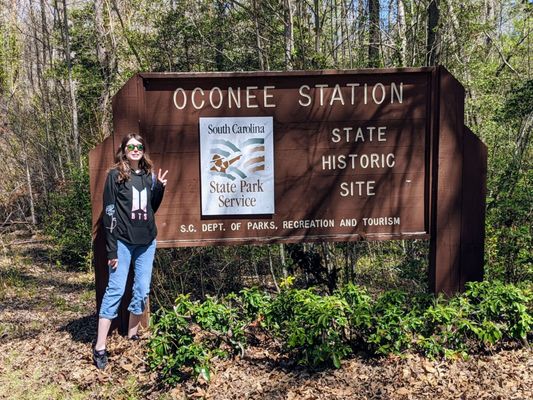
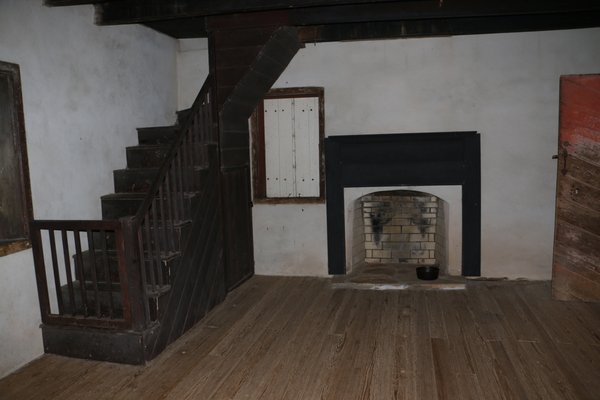
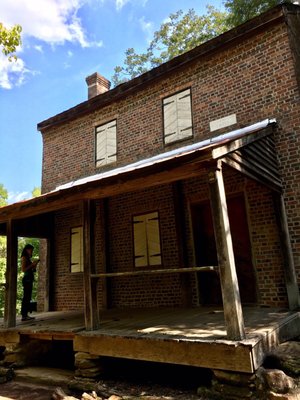
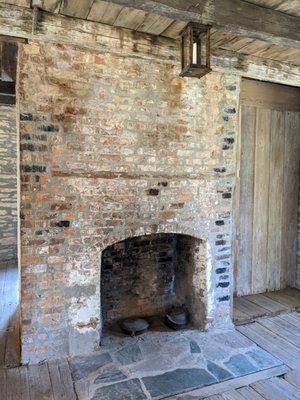
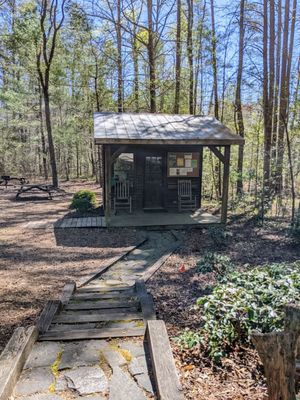
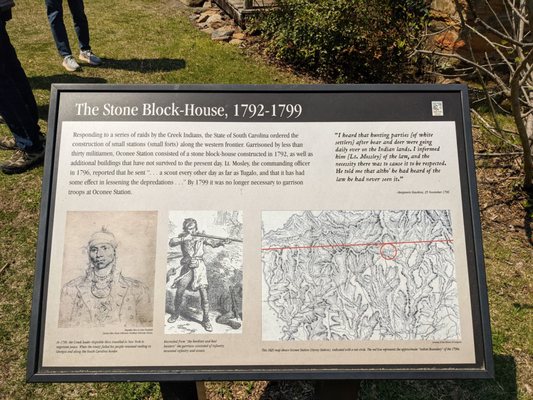
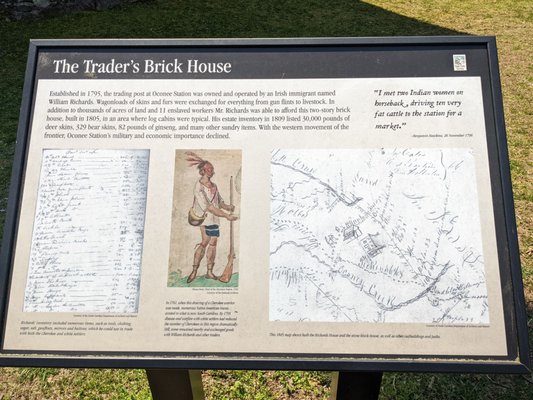
"In the late 1700s, the upstate of South Carolina was the western frontier for European settlers in America. To protect against raids from the native Cherokees, early colonists in what is now Oconee County erected military outposts, called blockhouses, that were garrisoned by local militiamen. One of the few remaining blockhouses, Oconee Station, now stands in a small clearing at the Oconee Station State Historic Site in Walhalla. Right next to it is another historic building, a brick home and trading post built by an Irish-American merchant named William Richards. About 20 to 30 soldiers were stationed at the military blockhouse from around 1792 up until the troops were removed in 1799. By 1795, the station was used as a trading site, where colonists exchanged guns, livestock, and other wares for animal skin and furs from the Cherokee. In 1805, Richards built his two-story handmade brick home, which doubled as a trading post until 1809. An inventory from that year showed a stockpile of over 30,000 animal skins, 82 pounds of ginseng, and other goods of the era. The historic site is located on 210 scenic acres along Oconee Creek. The grounds boast nature trails, a waterfall, and wildlife. The real gems, though, are the Oconee Station blockhouse and the Richards House, sitting side by side. Together they offer an interesting glimpse at the colonial history of the state, showing two sides of the relationship between the settlers and Native Americans. The Cherokee were among the original inhabitants of the region, at one point controlling approximately 40,000 square miles of the Appalachian Mountains in parts of present-day Georgia, eastern Tennessee, and western parts of North and South Carolina." - ATLAS_OBSCURA
"In the late 1700s, the upstate of South Carolina was the western frontier for European settlers in America. To protect against raids from the native Cherokees, early colonists in what is now Oconee County erected military outposts, called blockhouses, that were garrisoned by local militiamen. One of the few remaining blockhouses, Oconee Station, now stands in a small clearing at the Oconee Station State Historic Site in Walhalla. Right next to it is another historic building, a brick home and trading post built by an Irish-American merchant named William Richards. About 20 to 30 soldiers were stationed at the military blockhouse from around 1792 up until the troops were removed in 1799. By 1795, the station was used as a trading site, where colonists exchanged guns, livestock, and other wares for animal skin and furs from the Cherokee. In 1805, Richards built his two-story handmade brick home, which doubled as a trading post until 1809. An inventory from that year showed a stockpile of over 30,000 animal skins, 82 pounds of ginseng, and other goods of the era. The historic site is located on 210 scenic acres along Oconee Creek. The grounds boast nature trails, a waterfall, and wildlife. The real gems, though, are the Oconee Station blockhouse and the Richards House, sitting side by side. Together they offer an interesting glimpse at the colonial history of the state, showing two sides of the relationship between the settlers and Native Americans. The Cherokee were among the original inhabitants of the region, at one point controlling approximately 40,000 square miles of the Appalachian Mountains in parts of present-day Georgia, eastern Tennessee, and western parts of North and South Carolina." - ATLAS_OBSCURA
TA C.
Carin G.
A Z.
William A.
Christa La C.
Sarah P.
Liza L.
Yuko S.

Phuong N.

Michael M.

Richard R.
