19 Best Museums in Mexico City for Thousands of Years of Anthropology and History | Condé Nast Traveler
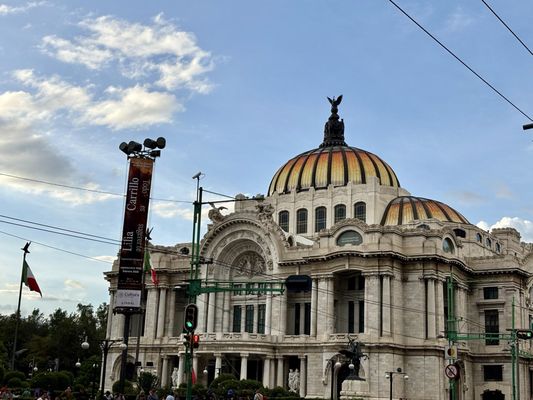
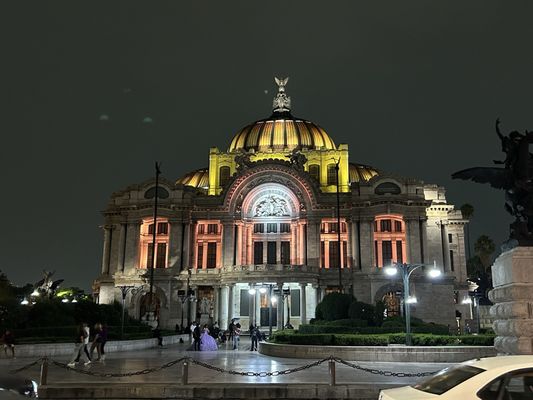
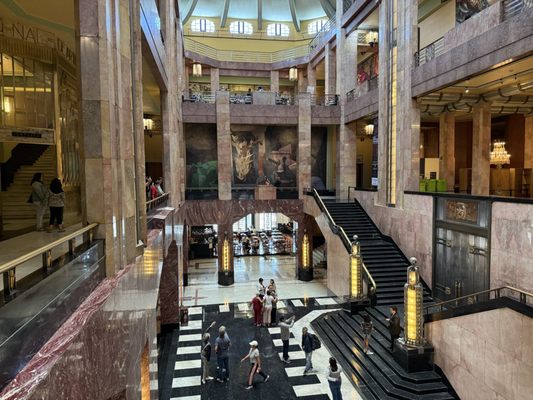
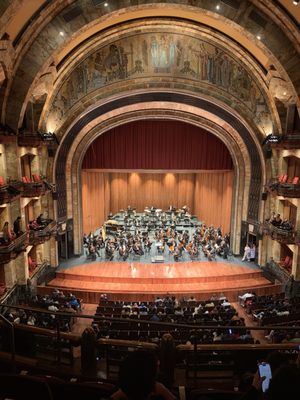
"One of the most iconic and grand buildings in the historic center of Mexico City, this palace’s opulent, eye-catching facade has Art Nouveau and Neoclassical influences and multiple domes covered in an intricate lattice of iron and Marroti crystal. The interior spaces are overwhelmingly vast: The top floor of the cultural center houses some seriously impressive murals painted by Mexico's most well-known muralists—Diego Rivera, José Clemente Orozco, David Alfaro Siqueiros, and Roberto Montenegro. Elsewhere, there's the National Theater, the National Museum of Architecture, and other museum spaces dedicated to popular and fine-art exhibits." - Scarlett Lindeman, Susannah Rigg
"A grand cultural palace housing performing arts and visual exhibitions, valued for its architecture and central role in the city’s museum circuit." - Patricia Doherty
Patricia Doherty
Patricia Doherty is a writer who specializes in covering destinations, resorts, and cruises for Travel + Leisure and other publications.
Travel + Leisure Editorial Guidelines
"I visited exhibits at the Palace of Fine Arts in Mexico City and recommended including it among the city’s top cultural stops." - Chelsee Lowe
Chelsee Lowe
Chelsee Lowe is a Los Angeles-based writer with an obsession with good eats and interesting stories. She regularly contributes to Travel + Leisure, TravelAge West, Ventura Blvd, and L.A. Parent, writing about food, family travel, and more.
Travel + Leisure Editorial Guidelines
"The imposing, white-domed wedding cake now known as Palacio de Bellas Artes was originally planned as a national theater, and construction was begun in 1904. The Mexican Revolution, among other things, postponed its completion until 1934, which explains the stark contrast between its creamy art nouveau exterior (note amazing iron- and stonework with local motifs like serpents) and its art-deco-inspired interior, finished in black and red marbles, and with walls that feature dazzling murals by Rivera, Siqueiros, and other postrevolutionary masters. Today the beloved edifice is home to a concert hall, exhibition areas given over to blockbuster shows, and Mexico ’s National Architecture Museum; take an auditorium tour—or better yet, see a performance—to lay eyes on the theater’s magnificent Tiffany glass "curtain," a mosaic formed (they say) by more than 1 million separate glass components."
"The imposing, white-domed wedding cake now known as Palacio de Bellas Artes was originally planned as a national theater, and construction was begun in 1904. The Mexican Revolution, among other things, postponed its completion until 1934, which explains the stark contrast between its creamy art nouveau exterior (note amazing iron- and stonework with local motifs like serpents) and its art-deco-inspired interior, finished in black and red marbles, and with walls that feature dazzling murals by Rivera, Siqueiros, and other postrevolutionary masters. Today the beloved edifice is home to a concert hall, exhibition areas given over to blockbuster shows, and Mexico ’s National Architecture Museum; take an auditorium tour—or better yet, see a performance—to lay eyes on the theater’s magnificent Tiffany glass "curtain," a mosaic formed (they say) by more than 1 million separate glass components."