Papago Park
Park · Minnesota Court ·
Iconic red buttes, easy trails, desert flora & fauna, Hole-in-the-Rock




















Iconic red buttes, easy trails, desert flora & fauna, Hole-in-the-Rock
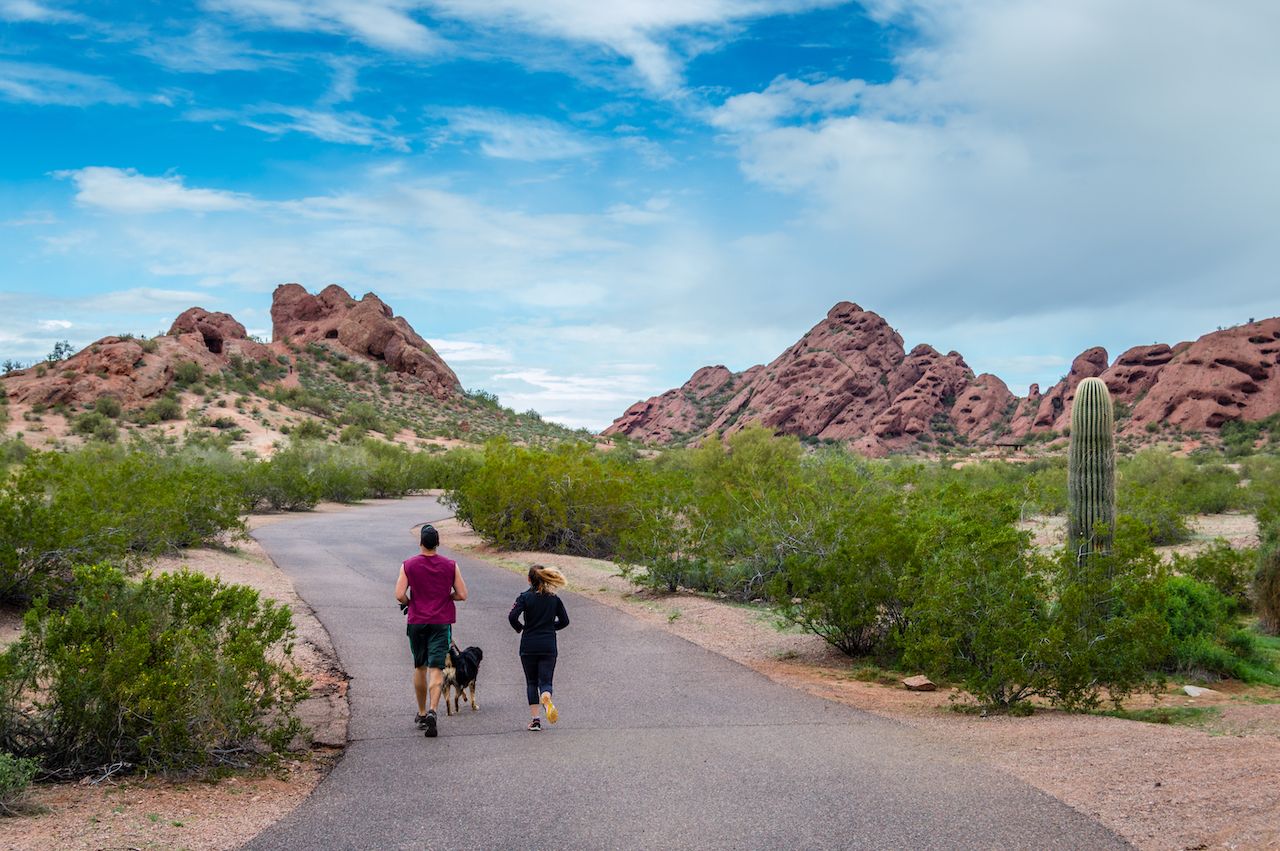
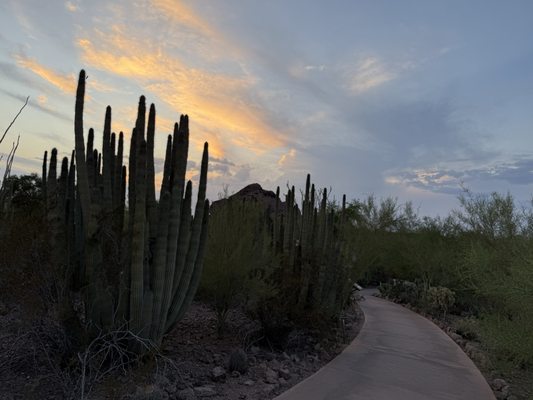
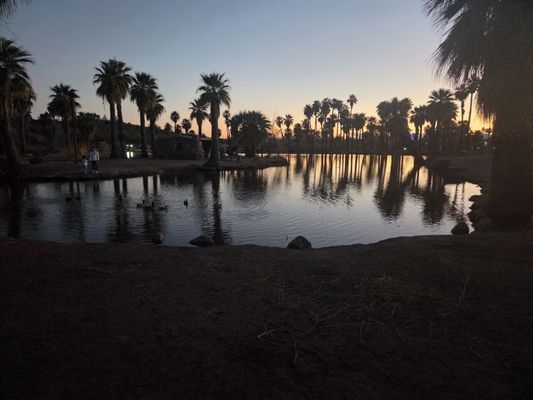
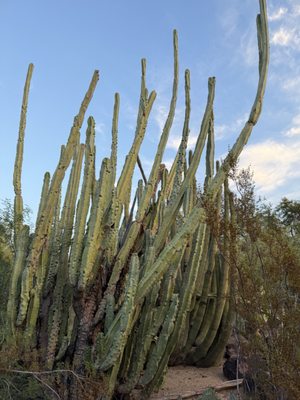
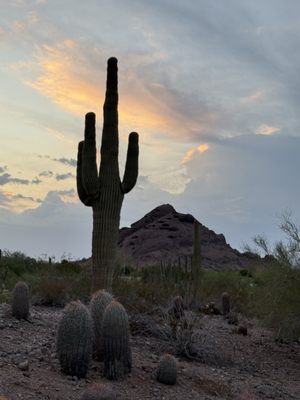
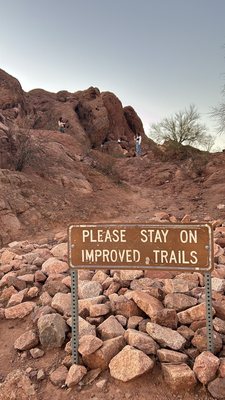
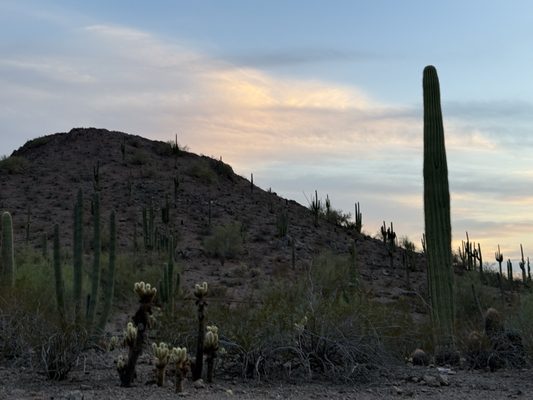
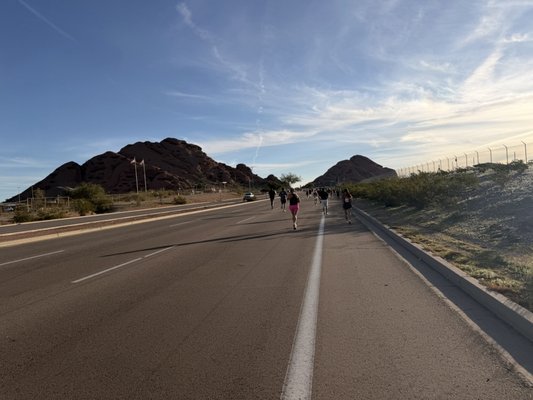
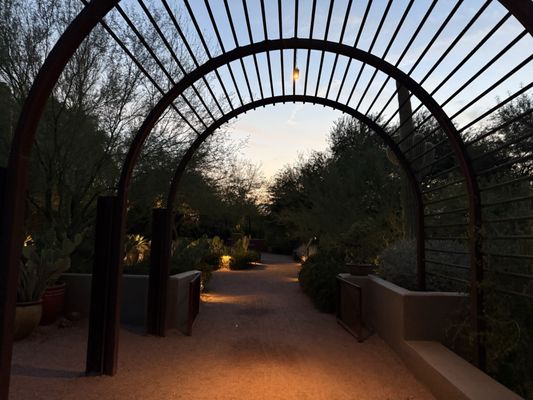
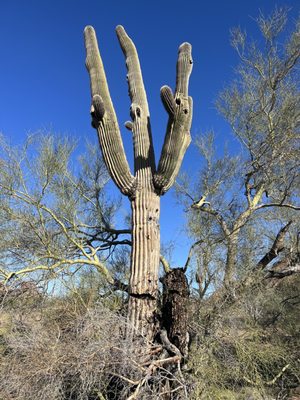
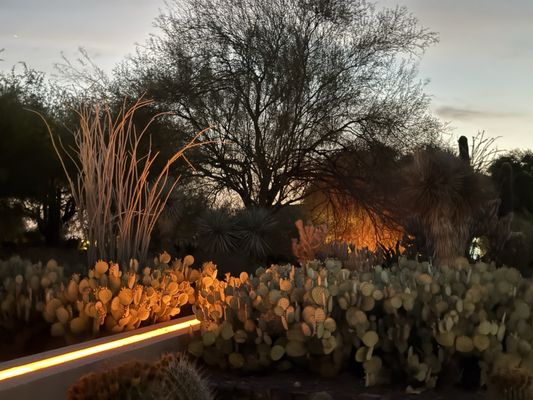
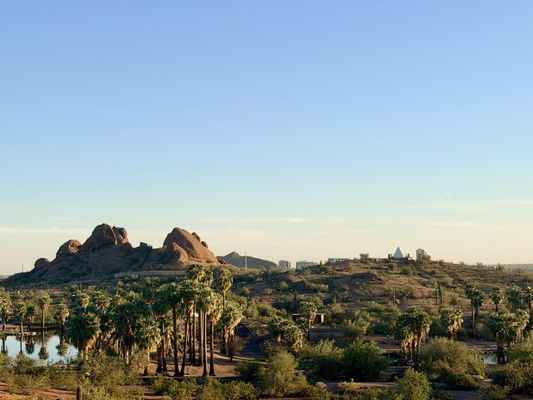
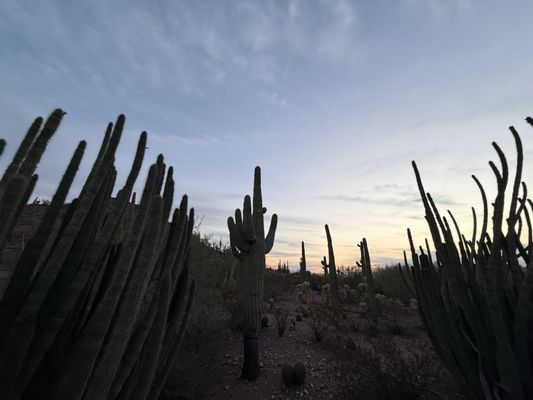
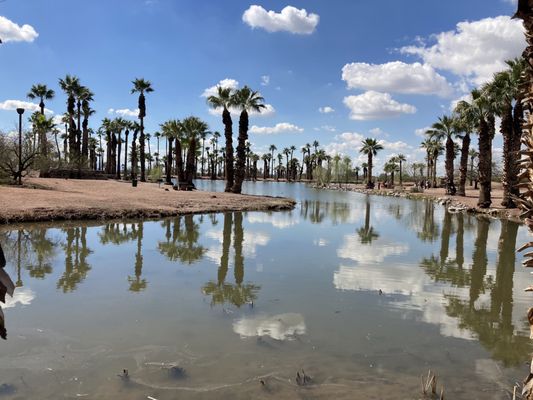
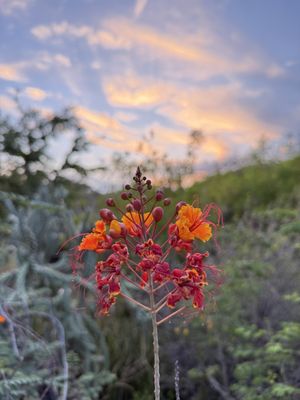
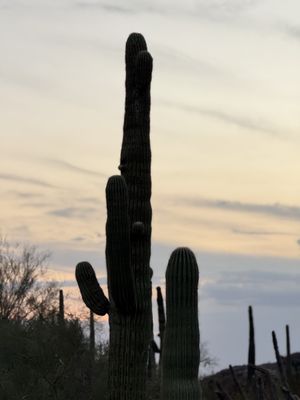
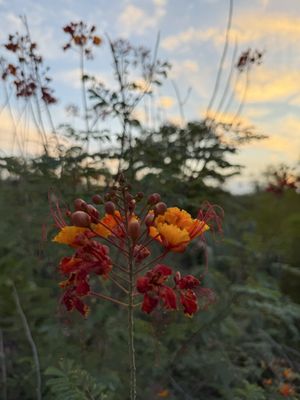
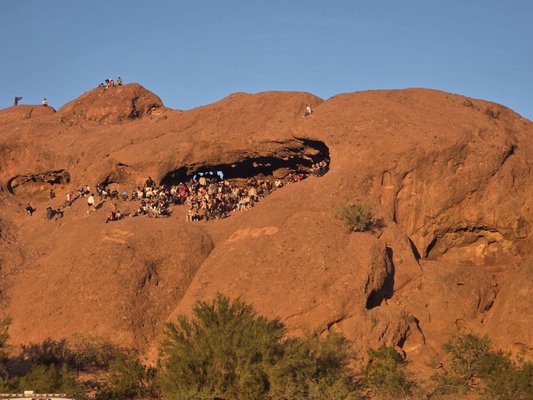
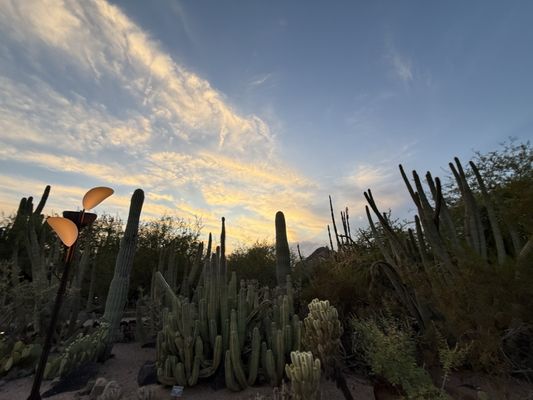
"Showcasing the red buttes of Papago Park, especially the Hole-in-the-Rock, Papago Park is the most recognizable image in Phoenix. The smooth trails, with little or no elevation gain, offer an easy way for outdoor enthusiasts of any fitness level to enjoy the desert environment. Some trails include interpretive signs that teach about the desert flora and fauna, and the short hike inside the Hole-in-the-Wall offers some of the best views of the surrounding area. Home to the Papago Golf Course and Papago Park Lagoons, the park offers opportunities for any outdoor activity, even fishing in the desert." - MATADOR_NETWORK
Danii O.
Taminas R.
Shaunta S.
Edis
David M.
jauthenia W.
Willow G.
Nicole H.

Suzette M.

Andrew C.

Charles R.

Sky H.

Quinney H.

Tilly C.

Roni K.

Addison G.

Madison J.

Taylor G.

Holly M.

Mary S.

Sara R.

David V.

Obeyy P.

Fumika T.

Tank G.

Colette C.

Cindy R.

Steven F.

Matthew O.

Christina G.

Paul D.

Suzanne H.

Valerie W.

Jonnita W.

Kevin S.

Alana M.

Karis L.

Cristina D.

PJ C.

Monty D.

Kassey T.

Yani C.

Kris S.

Meg C.

Philip M.

Kelly D.

Sabrina I.

Austin G.

Bailey L.

Glen N.

Veronique C.

Sami L.

Doreen T.

Judy T.

Tiffany Y.

Apple S.
Amber D.
