Gerardo F.
Google
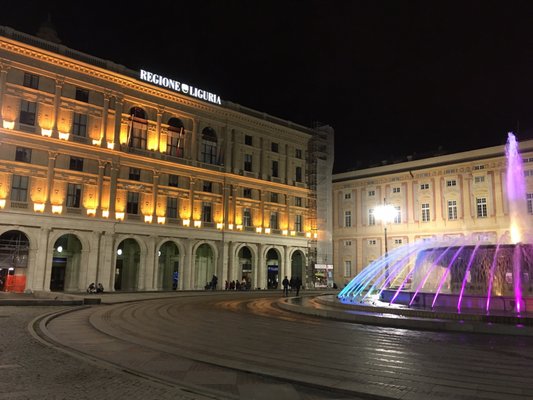
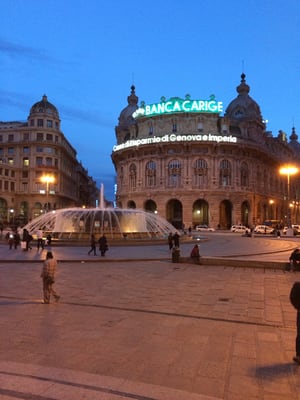
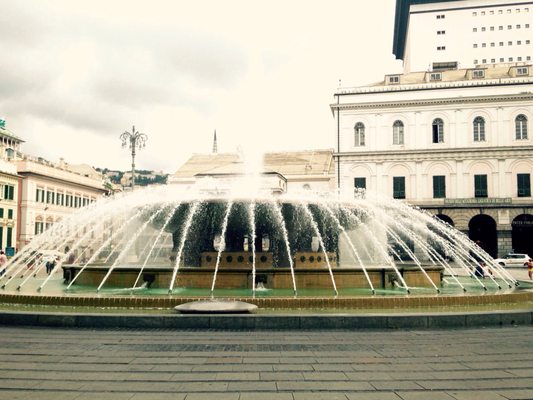
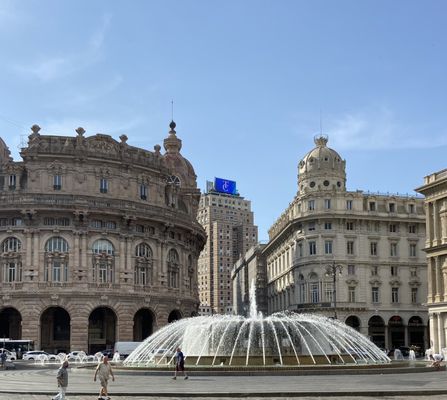
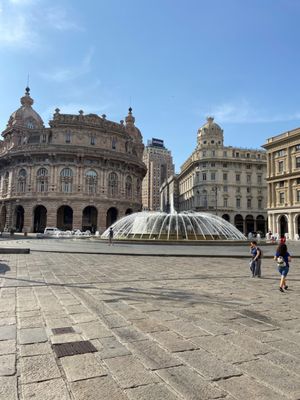
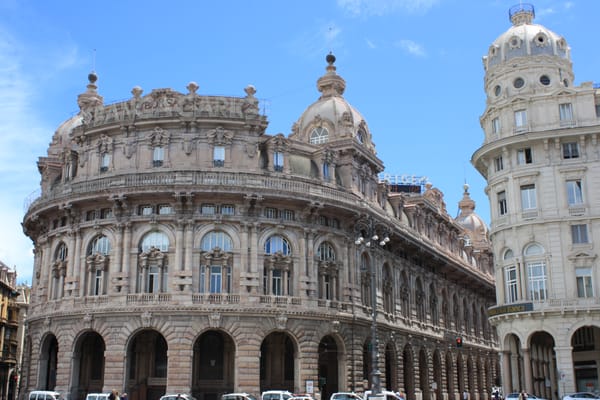
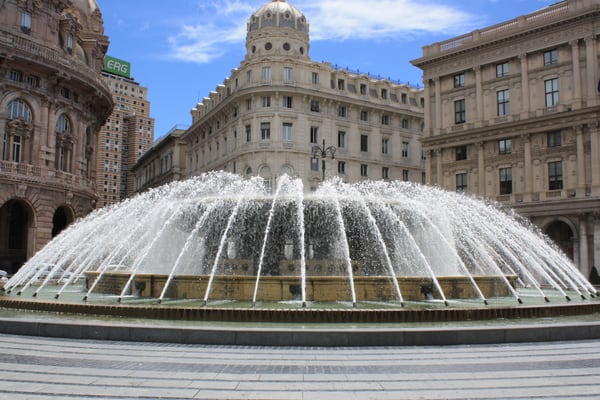
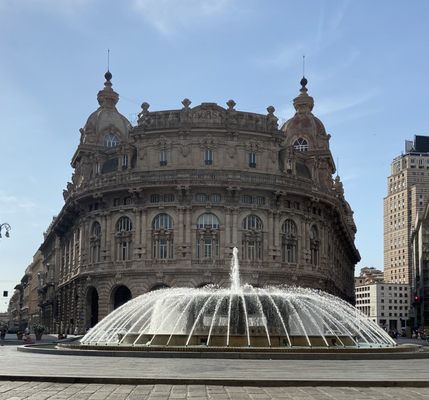
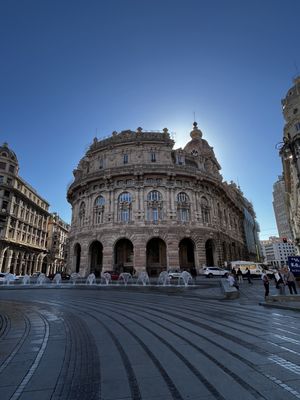
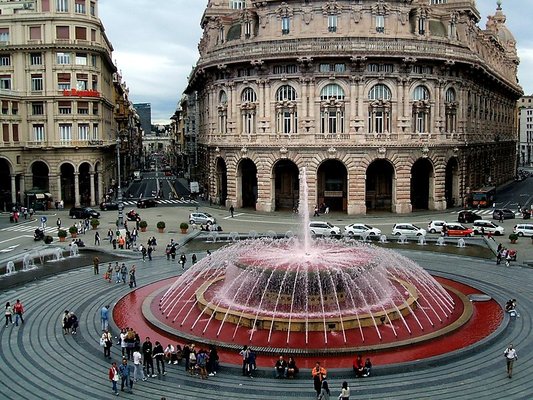
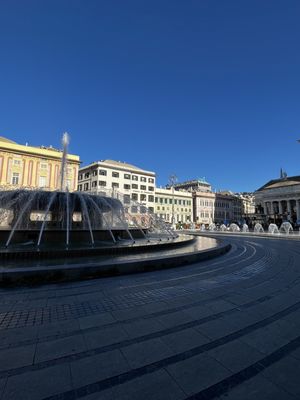
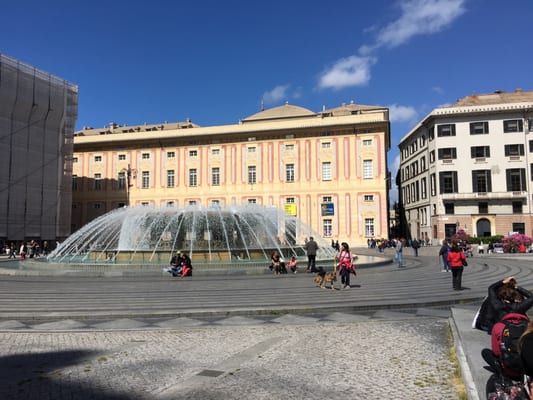
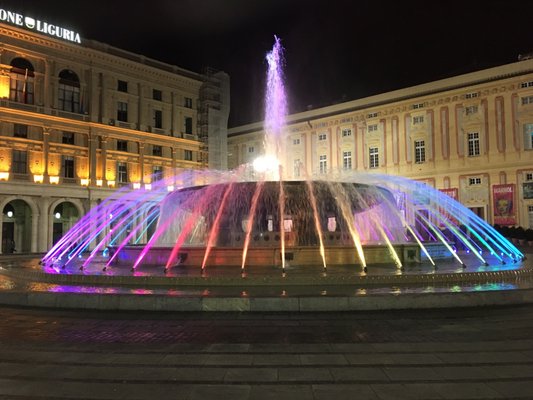
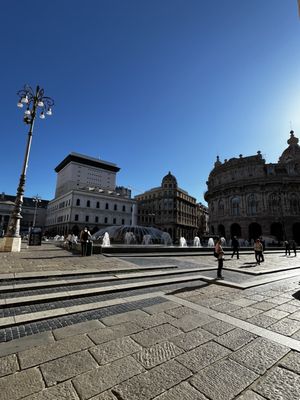
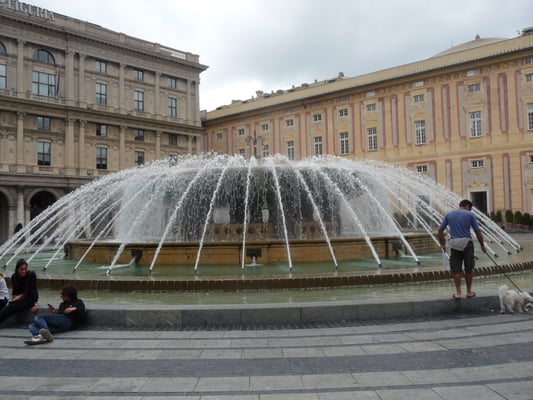
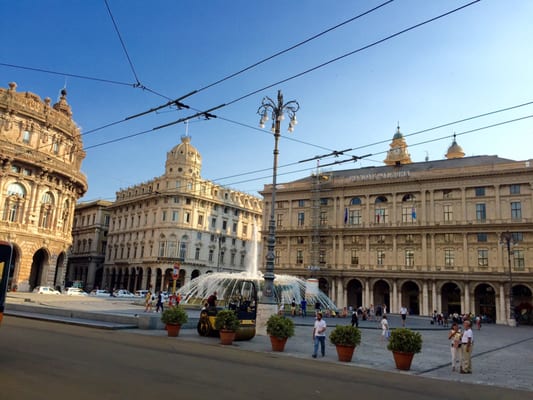
Piazza De Ferrari is the main square of Genoa. Situated in the heart of the city between the historical and the modern center, Piazza De Ferrari is renowned for its fountain, which was restored in recent years along with a major restyling of the square.
Today next to Piazza De Ferrari are numerous office buildings, headquarters of banks, insurances and other private companies, making of this district the financial and business centre of Genoa, so that the Genoese popularly refer to it as the "City" of Genoa. At the end of the 19th century Genoa was the main financial centre of Italy along with Milan, and Piazza De Ferrari was the place where many institutions were established, like the stock exchange, the Credito Italiano,[1] the branch offices of the Bank of Italy, founded in 1893.
The square, dedicated to the Italian banker and politician Raffaele De Ferrari, duke of Galliera, has an irregular form due to urbanistic works which united two different urban areas. The square is about 11,000 m2 (120,000 ft2).
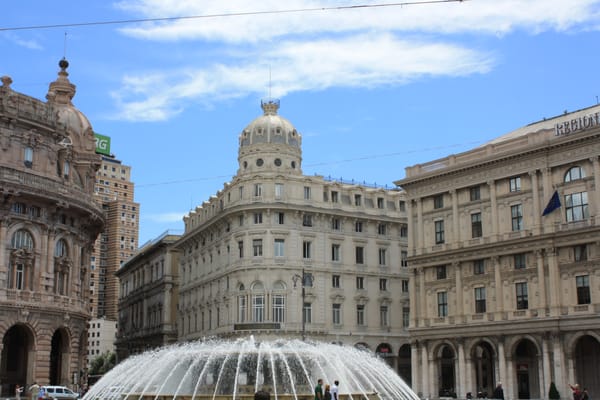
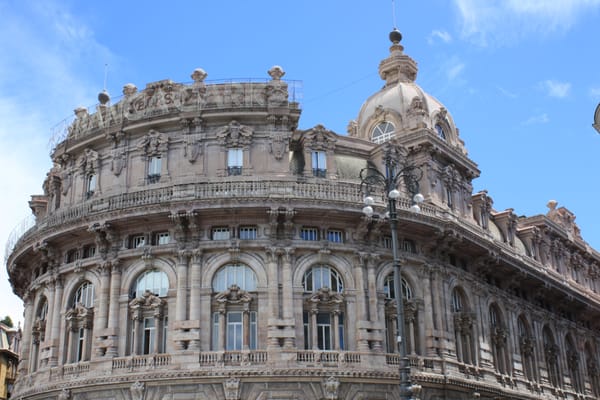
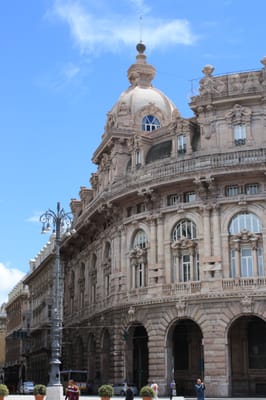
Today's shape of the piazza took form in the first two decades of the twentieth century with the creation of the three streets which converge from east: Via XX Settembre, Via Dante and Via Petrarca; and with the creation of the four eclectic palaces. All of this was built on the area obtained through the excavation of Colle San Andrea.
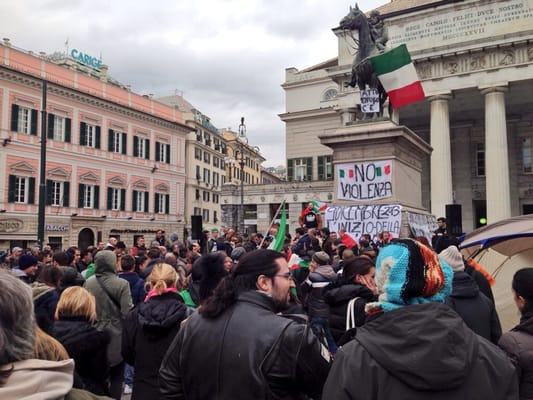
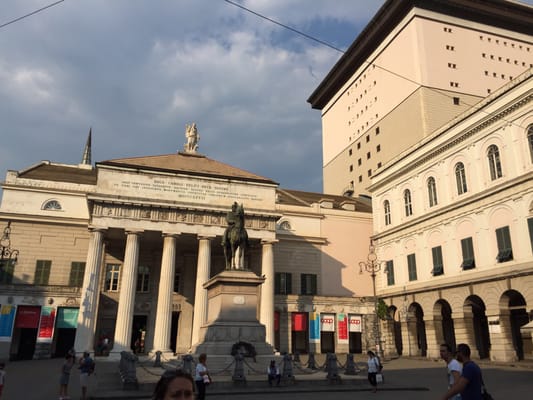
Monument to G.Garibaldi
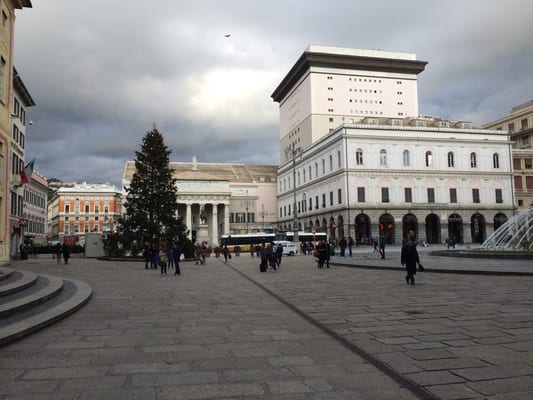
We can consider the square being built between 1899 and 1983.[2] The four eclectic palaces are contrasted by neoclassic examples of buildings such as the Teatro Carlo Felice and Accademia Ligustica di Belle Arti. Furthermore, next to Teatro Carlo Felice two streets branch out: Via Roma (elegant street enriched by boutiques and shops), flanked by Galleria Mazzini and Via XXV Aprile.
In front of the theatre is located a statue dedicated to Giuseppe Garibaldi, built by the Italian sculptor Augusto Rivalta in 1893.
At the centre of the square, in 1936, a bronze fountain was built. It was designed by the architect Giuseppe Crosa di Vergagni[3] and it soon became one of the main symbols of the city.[4][5]
During the 1990s, the square was architectonically renovated by the German urbanist and architect Bernhard Winkler and most of the attention went to the asphalt, the fountain and Palazzo Ducale. The square is now almost all for pedestrians.