Whitley D.
Yelp
What a site to see!!
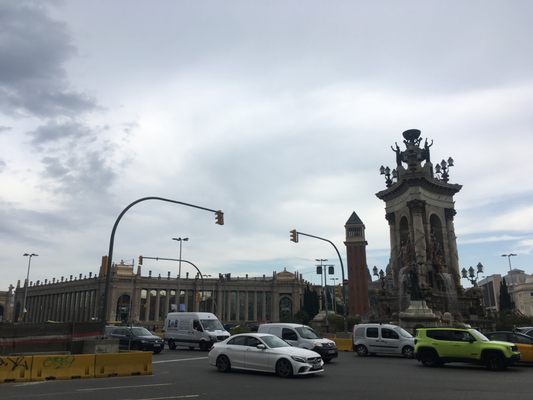
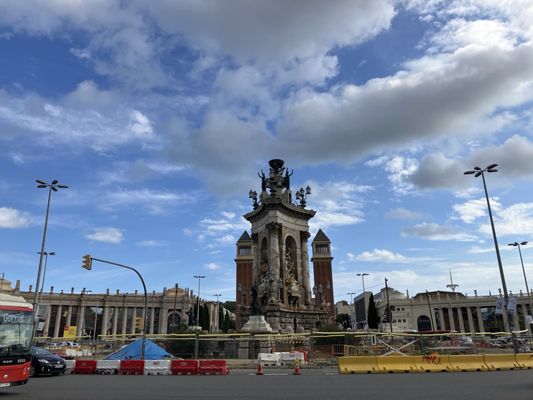
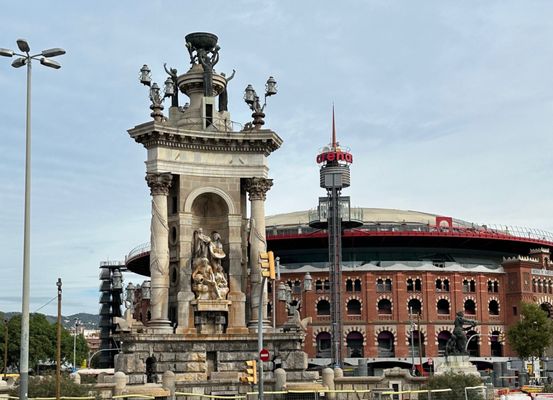
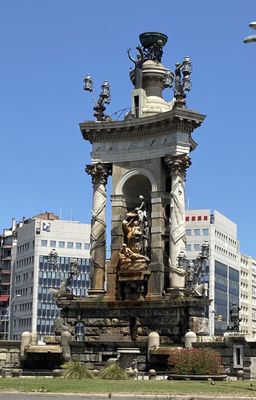
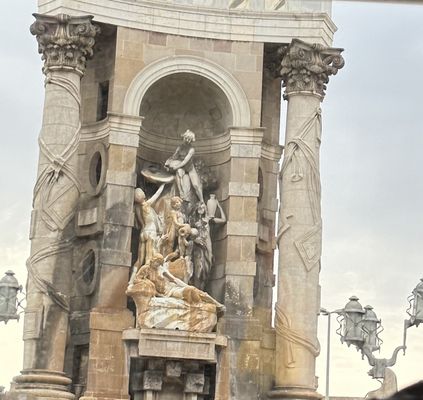
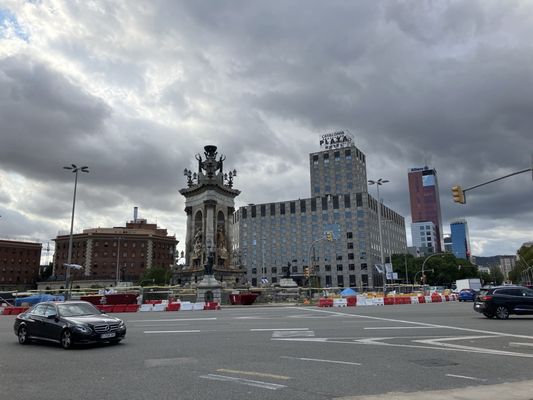
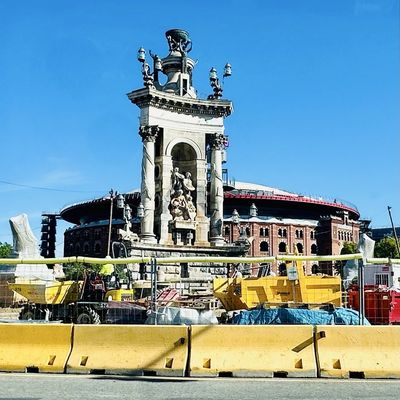
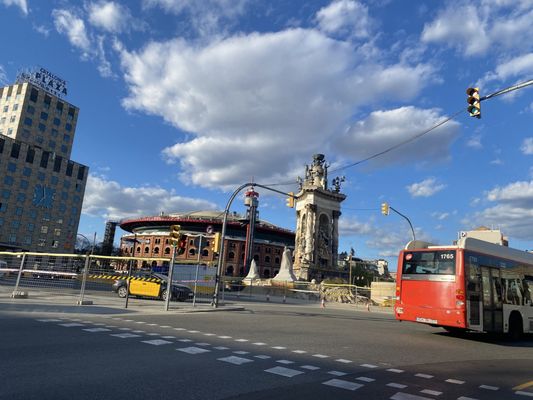
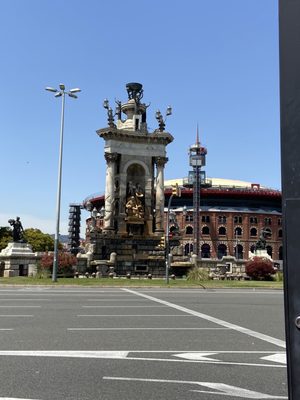
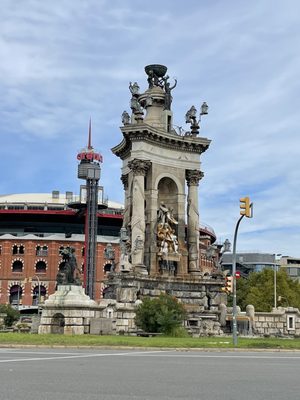
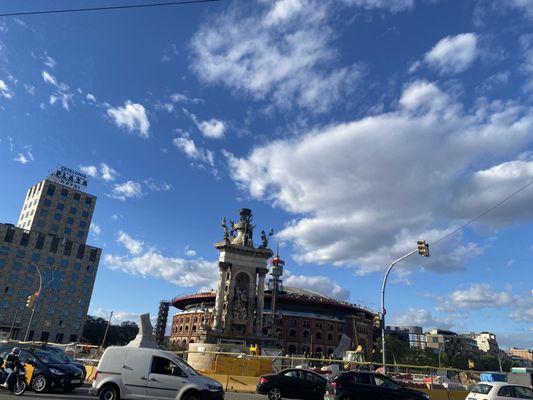
Plaça d'Espanya (Catalan pronunciation: [plas ðspa]; English: Place of Spain) is one of Barcelona's most important squares, built on the occasion of the 1929 Barcelona International Exposition, held at the foot of Montjuïc, in the Sants-Montjuïc district. The square was built on a site that had been previously used for public hangings, until the creation of the now demolished Ciutadella fortress in 1715, where the gallows were moved. It was designed in 1915 and built in 1929 so that it could be ready to host the 1929 Universal Exposition. The square has been in public use since then.
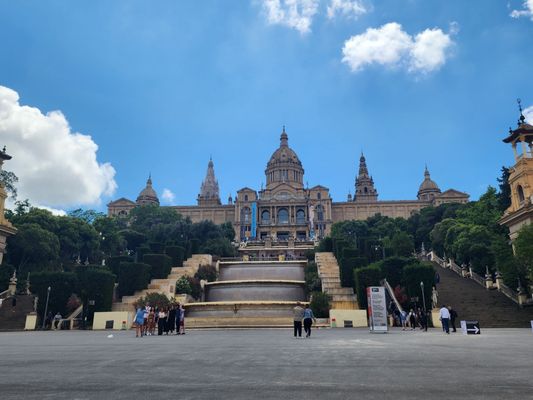
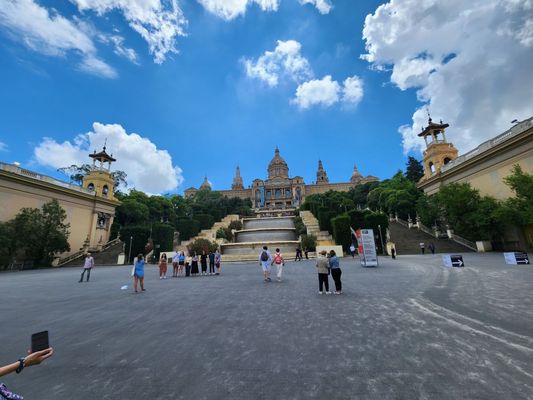
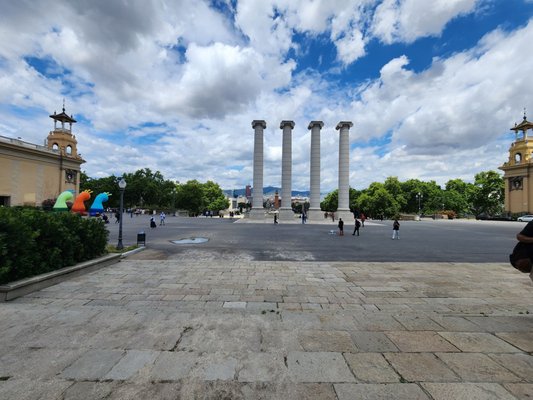
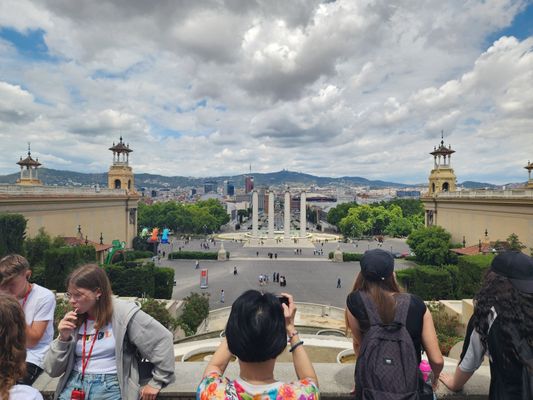
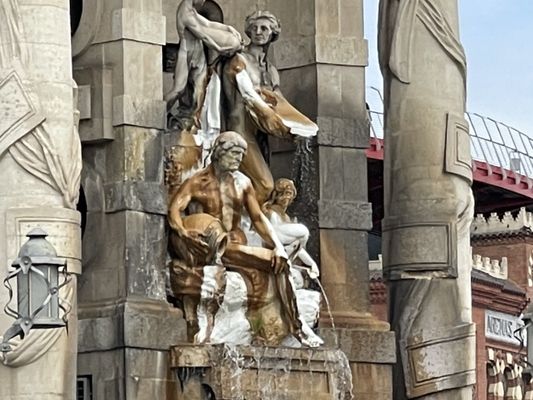
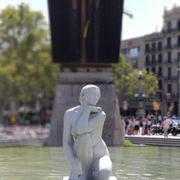
One of the city's biggest squares, it is the junction of several major thoroughfares: Gran Via de les Corts Catalanes, Avinguda del Paral·lel, Carrer de la Creu Coberta and Carrer de Tarragona, and leads to the Palau Nacional through Avinguda de la Reina Maria Cristina, which houses one of Catalonia's finest museums, the Museu Nacional d'Art de Catalunya (MNAC). It was designed by Josep Amargós. The fountain at the centre of the square was designed by Josep Maria Jujol, a collaborator of Antoni Gaudí, while Miquel Blay designed the statues. The buildings were designed by Nicolau Maria Rubió i Tudurí.
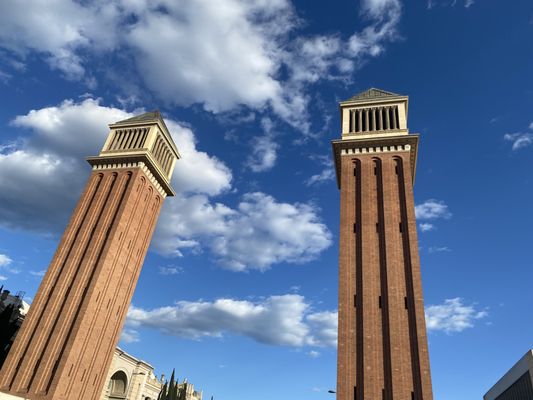
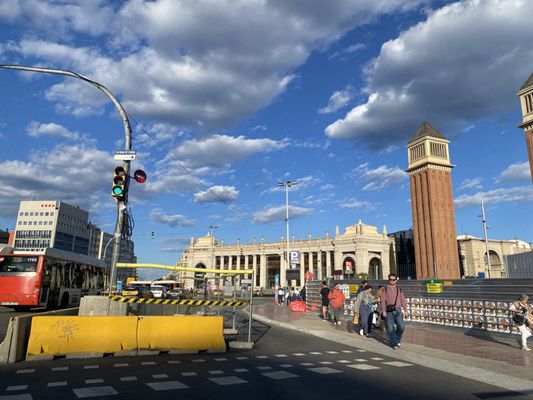
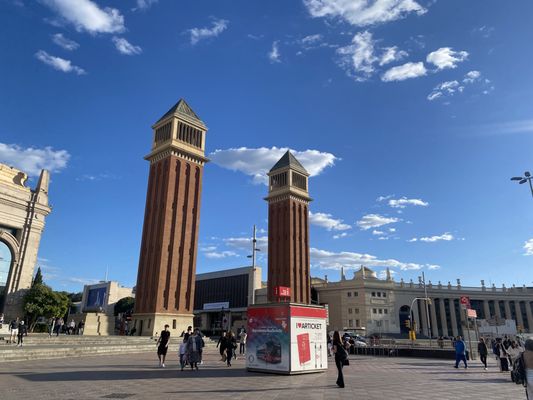
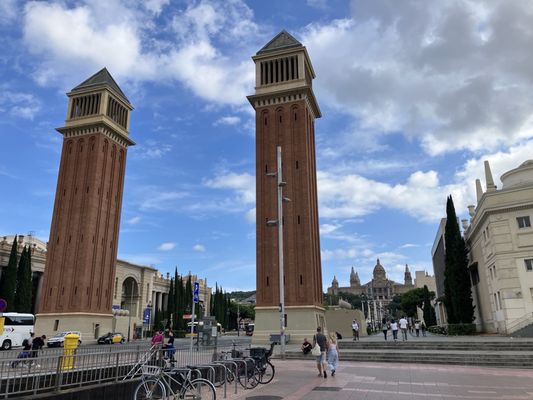
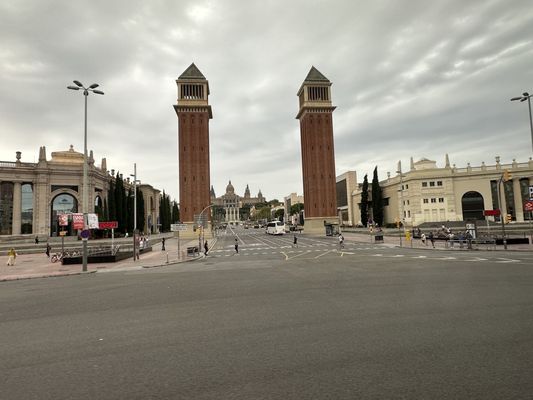
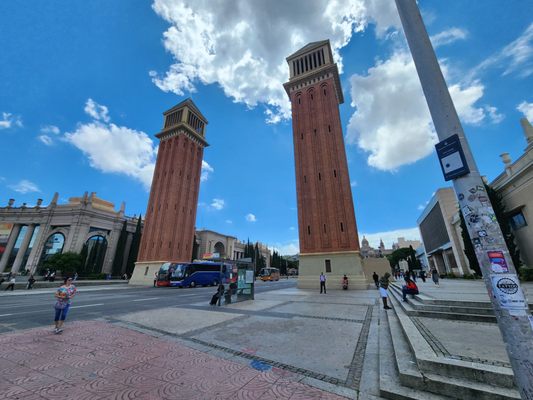
Venetian Towers - they are 47 m (154 ft) tall and lead the way to the MNAC via Avinguda de la Reina Maria Cristina, an avenue commonly used to host trade fairs.
Fira de Barcelona
Parc de Joan Miró - previously known as Parc de l'Escorxador (Abattoir Park), it is nowadays named after the Catalan painter Joan Miró, whose 22-metre-tall statue Dona i Ocell (Woman and Bird) can be seen in one of its corners.
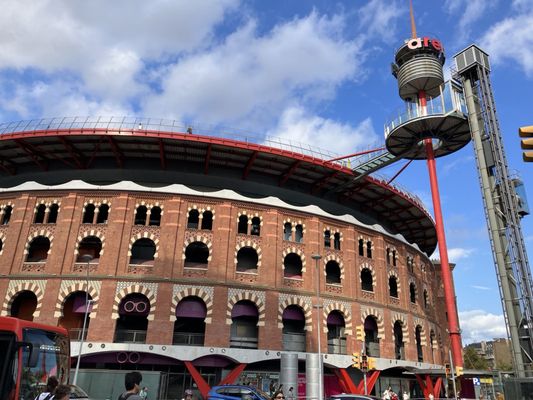
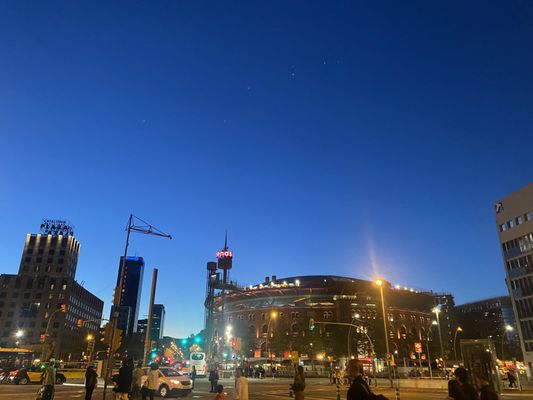
Arenas de Barcelona, a bullring - It was built in 1900 in the Moorish Revival style and has been converted into a shopping center.
All in all this is such a beautiful landmark to stop and see especially since it's so close to several other landmarks!