Helene S.
Yelp
Buried in ash. Frozen in time.
The eruption of Mount Vesuvius. 79 AD.
The eruption that changed the course of Pompeii, and the surrounding cities, lasted for two days. First, the residents were pummeled with pumice rain (lapilli). The lucky survivors were able to escape in this phase. The following day, the lava flows buried entire cities under the molten lava. The remaining population died instantly and the community was lost buried and frozen in time for centuries.
Although random discoveries and looting occurred sporadically, major excavations did not occur until 1763. The following year Karl Weber started the first scientific excavations.
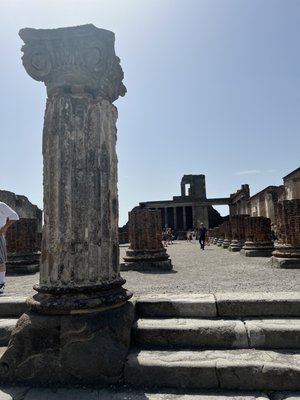
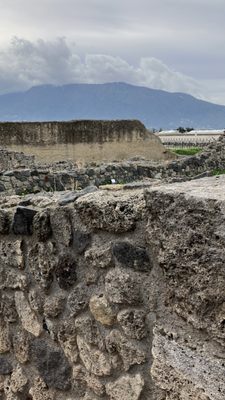
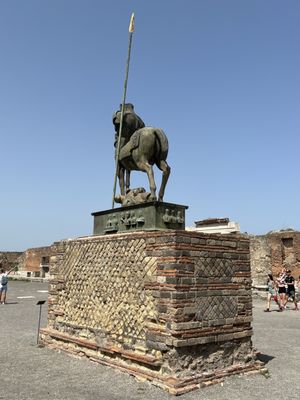
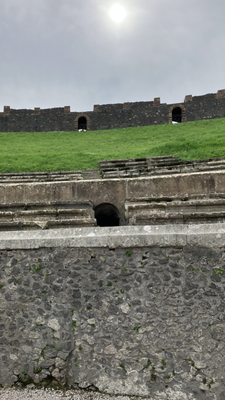
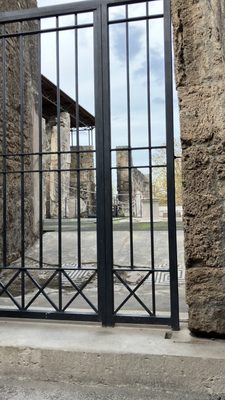
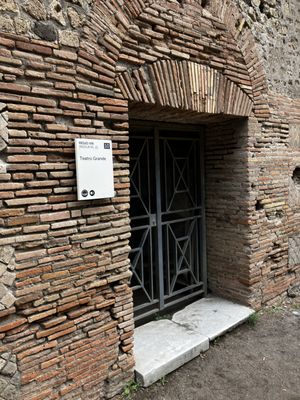
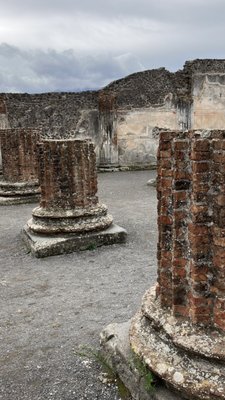
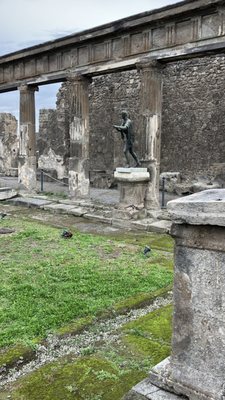
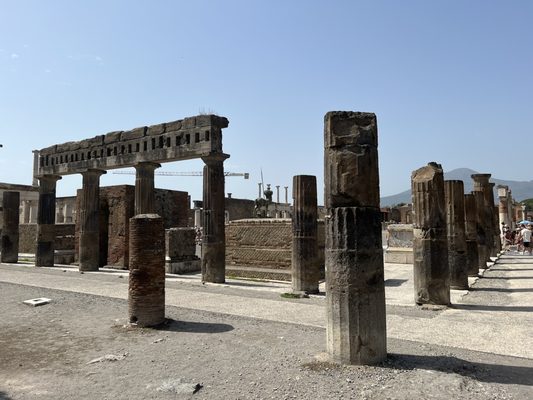
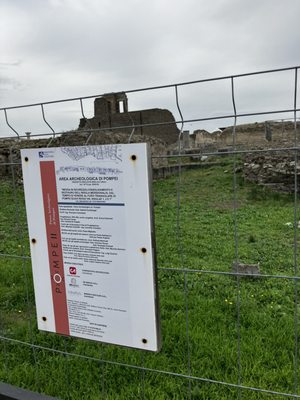
Today, it is so interesting to explore the ruins that are studied in history. The Temple of Apollo. The Basilica. The Theater. The Forum. Stepping stones in the road. Mount Vesuvius in the distance.
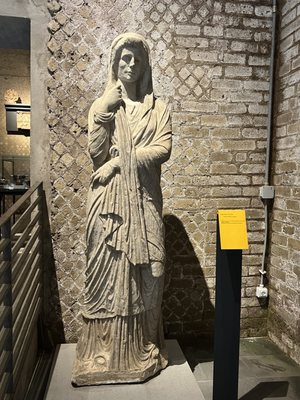
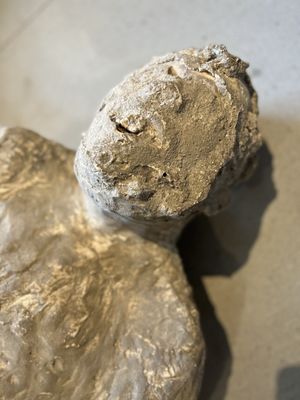
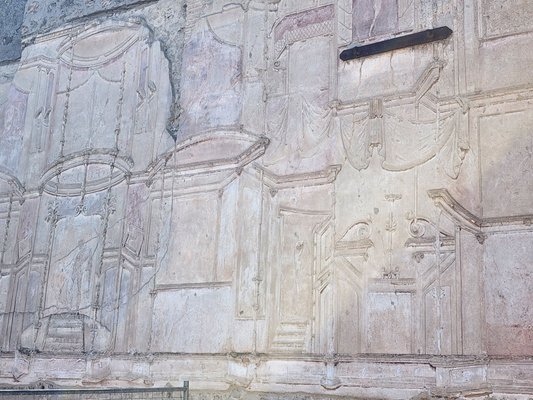
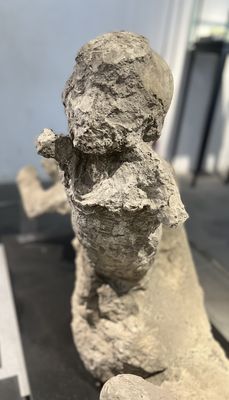
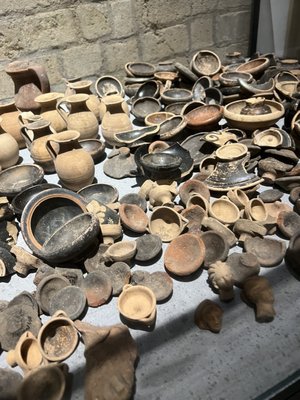
The Pompeii Antiquarium is a good place to start. So sad to see so many men, women, children, horses and dogs frozen in time as they met instant death. The frescoes recovered were well preserved by the molten lava and ash. Interesting to learn about daily life with the items that were left behind.
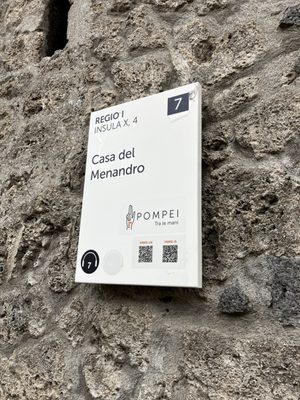
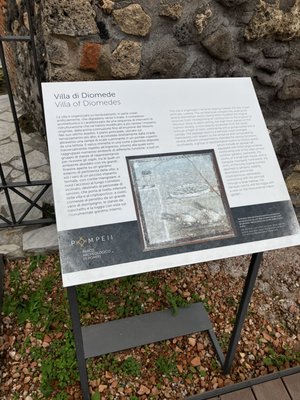
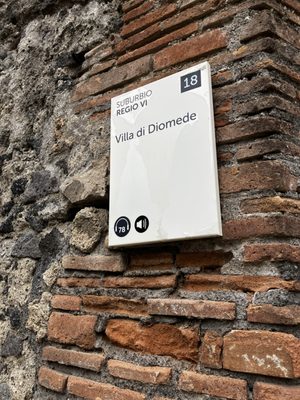
So informative to explore a large villa. Many wealthy residents lived in Pompeii. At the entry, there was a pool to collect fresh water. The rooms have mosaics to delineate the floor on each room. The views must have been stunning for the family that lived here almost 2,000 years ago.
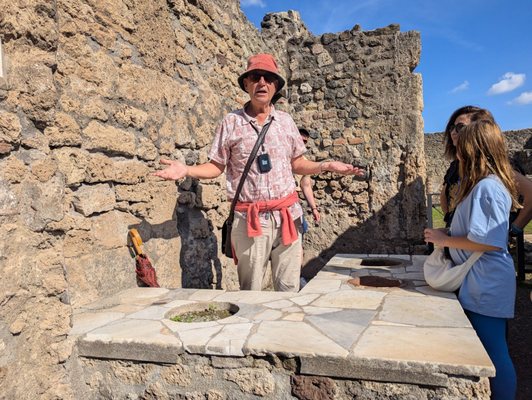
Buy a timed ticket on line to skip the line. We met our guide, Viviana, at the entry. I would definitely recommend hiring a guide as that is the best way to explore and understand the ruins at Pompeii. Wear comfortable walking shoes, sunglasses and a hat and bring plenty of water.