Jackson D.
Google
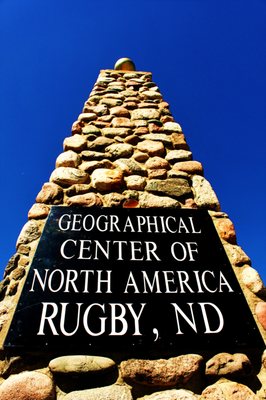
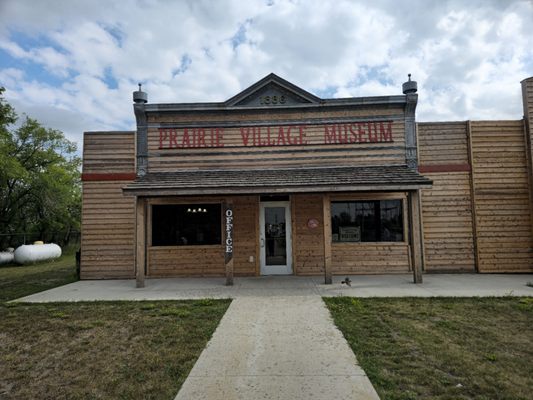
We were cruising across North Dakota, tracing a route from Minot to Fargo, when curiosity nudged us toward Rugby—the geographical Center of the North American Continent. It was meant to be a quick detour, a photo op at the monument, maybe a snack before hitting the road again. But as we turned toward the Prairie Village Museum, the day took a surprising turn.
I had imagined a quaint entertainment venue, maybe some costumed actors reenacting prairie life. What we found instead was a deeply immersive museum experience—one that quietly demanded our attention and rewarded it with wonder.
The welcome building set the tone: framed arrowhead collections, intricate Native American beadwork, and a towering statue of Clifford Thompson, who stood an astonishing 8 feet 3 inches tall. It was clear this place wasn’t just about nostalgia—it was about reverence.
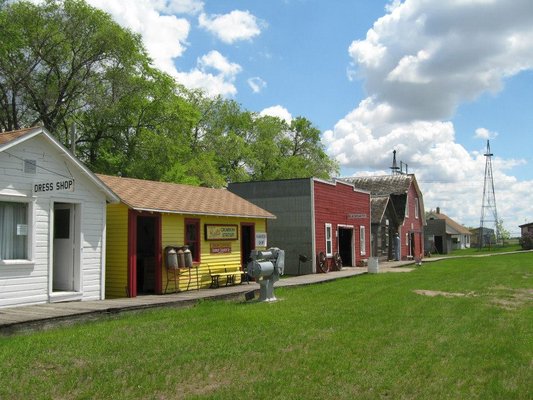
Stepping into the village itself felt like entering a time capsule. Each historic building was filled with artifacts from the late 1800s to the early 20th century: schoolhouses with chalk-dusted slates, general stores stocked with vintage tins, and homes that whispered stories through their wallpaper and woodwork. It was as if the past had been carefully gathered, curated, and laid out for us to wander through at our own pace.
What began as an unplanned stop turned into a couple of hours of discovery. I found myself marveling not just at the relics, but at the care with which they were displayed. This wasn’t a museum trying to impress—it was one trying to preserve, to honor, to remember.
If you ever find yourself crossing the prairie, don’t just pass through Rugby. Stop. Wander. Let the quiet stories of the Prairie Village Museum unfold around you. It’s not just worth your time—it’s worth your attention.