Stuart T.
Google
Stepping into this Pinocchio felt like stepping into a storybook that had learned how to breathe.
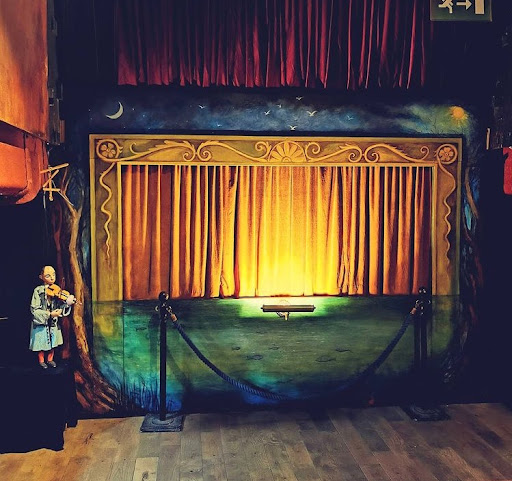
With nothing more than a wooden puppet, a single storyteller, and a boat that doubled as a warm front room, the production unfolded with quiet magic. The space was intimate and inviting, as though we’d all been welcomed aboard for a secret tale shared by lamplight. The set didn’t shout; it whispered. Wood, rope, and gentle suggestion did the work of entire worlds.
The performer moved effortlessly between narrator, puppeteer, and companion. One moment guiding Pinocchio’s wooden limbs with exquisite precision, the next meeting the audience’s eyes, inviting us into the game. This wasn’t a story told at us, but with us. The audience became part of the current, gently pulled along by humour, warmth, and moments of stillness that let the imagination do the heavy lifting.
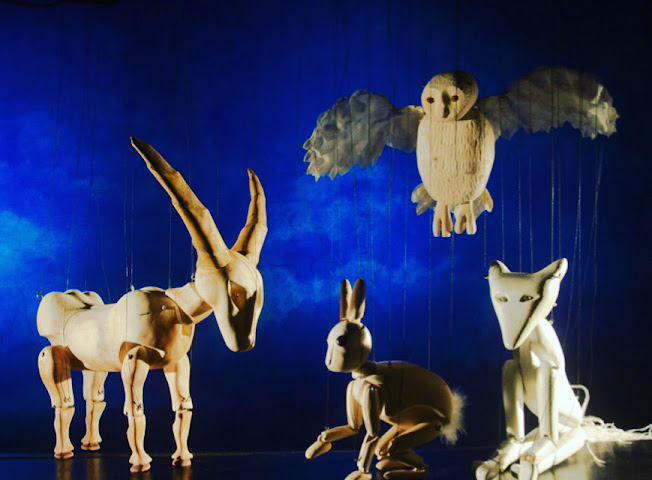
The puppet itself was astonishingly alive. Each tilt of the head, each pause, each deliberate movement carried emotion far beyond wood and string. It reminded us that theatre doesn’t need spectacle to feel grand—sometimes all it needs is care, timing, and trust in the audience’s wonder.
This Pinocchio was cozy, handcrafted, and deeply human. It felt less like watching a performance and more like being let in on a cherished story—one that glows softly long after you’ve left the room. A piece of theatre that understands the quiet power of simplicity, and uses it to beautiful, magical effect.