Alan M.
Google
The Rätisches Museum is well worth visiting if you want to understand the history of Graubünden and the political traditions that shaped the region.
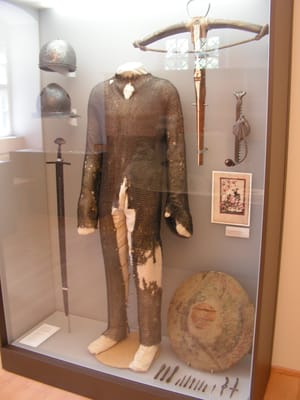
The exhibitions explain how the historic Free State of the Three Leagues functioned, where local communities exercised significant judicial authority. Displays describe the structure of the court communities, their symbols of sovereignty — seal, staff, and gallows — and how justice was administered.
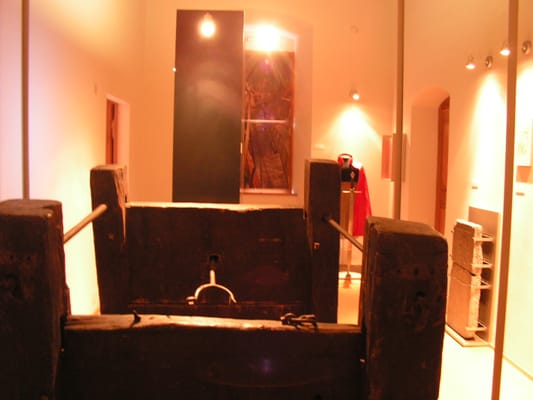
One of the most striking sections deals with the darker side of justice. The museum explains how torture was used to obtain confessions under early modern law and how witch trials affected communities in the region during the seventeenth century. Seeing the surviving instruments and the executioner’s equipment provides a clear understanding of how these judicial systems operated.
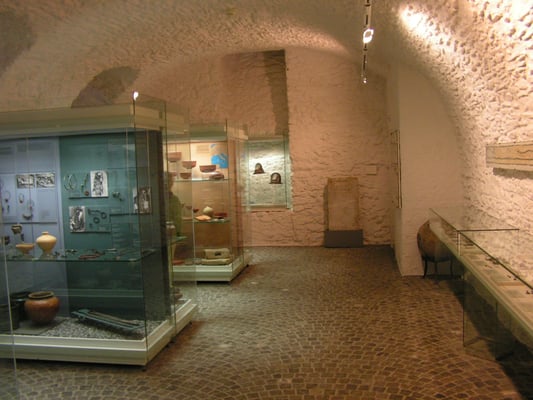
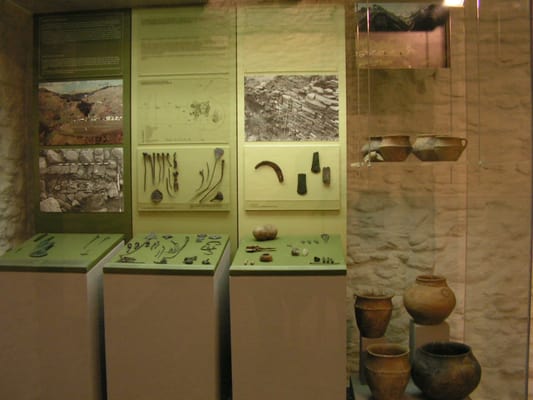
Other displays include boundary stones marking the jurisdiction of courts and communities, along with civic symbols representing law and authority. These objects show how strongly local identity and autonomy shaped the political culture of Graubünden.
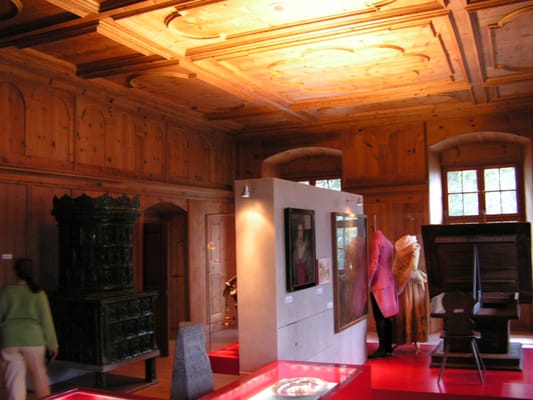
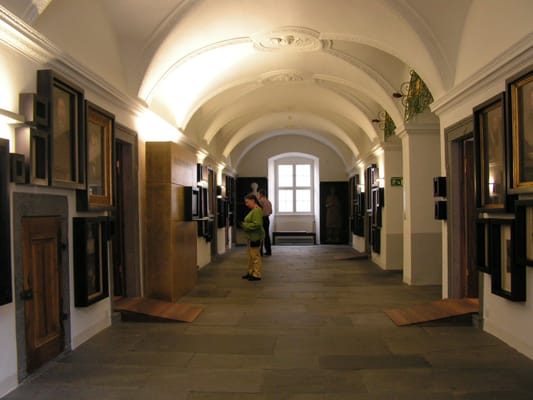
The museum is well organised and located in a historic building in the centre of Chur’s Old Town. It provides valuable historical context before exploring the city itself.
Note: Exhibition panels and object labels are in German, Romansh, and Italian. There are currently no English-language labels, so visitors who do not read these languages may wish to use a translation app.