Red Rock Canyon
Mountain peak · Clark County ·
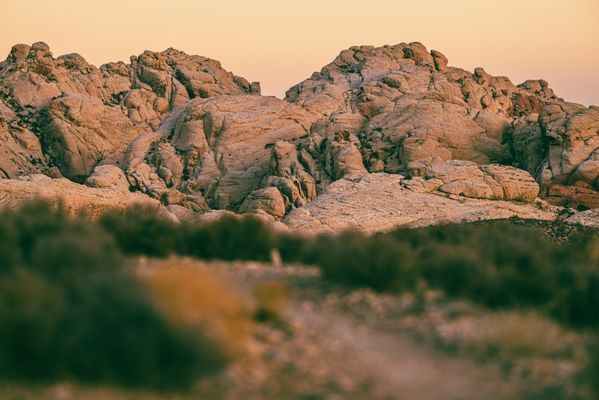
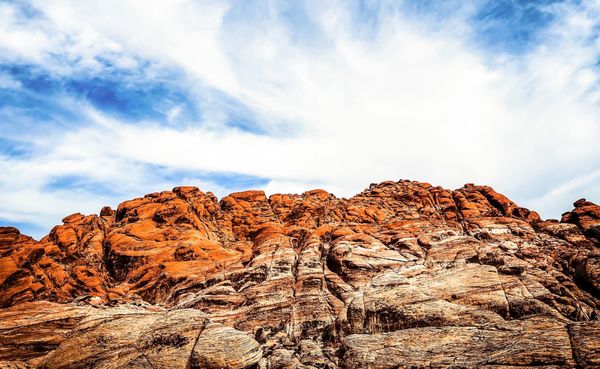
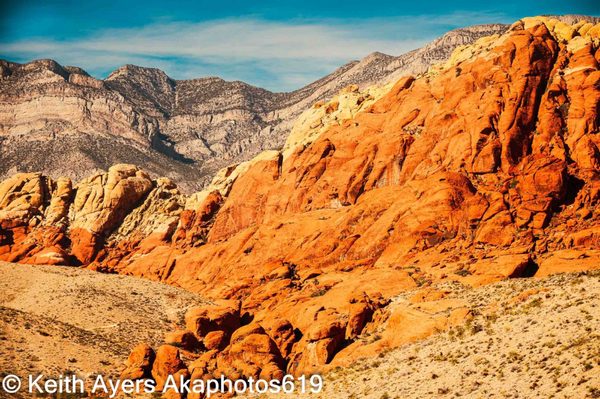
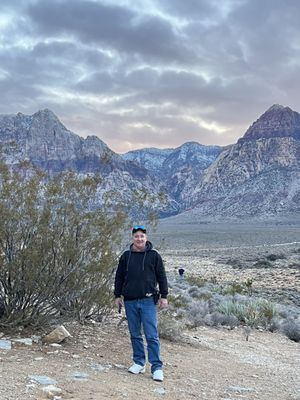
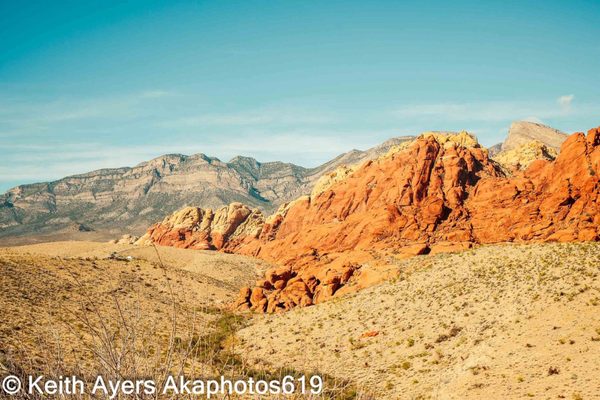
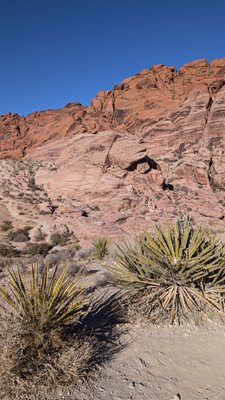
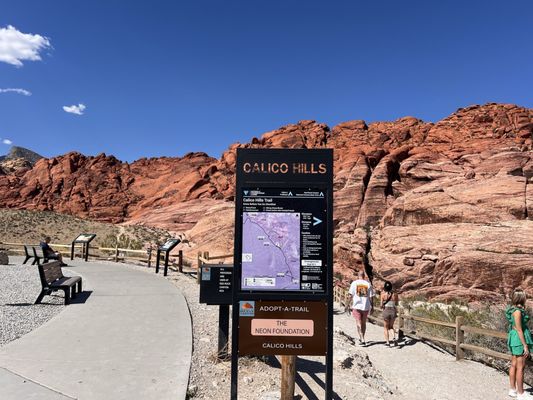
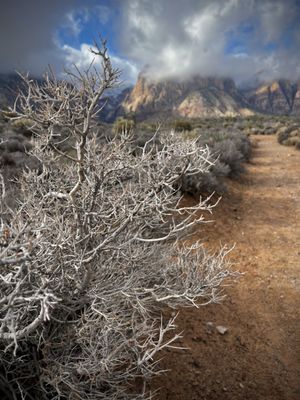
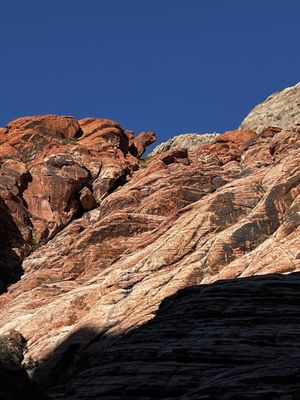
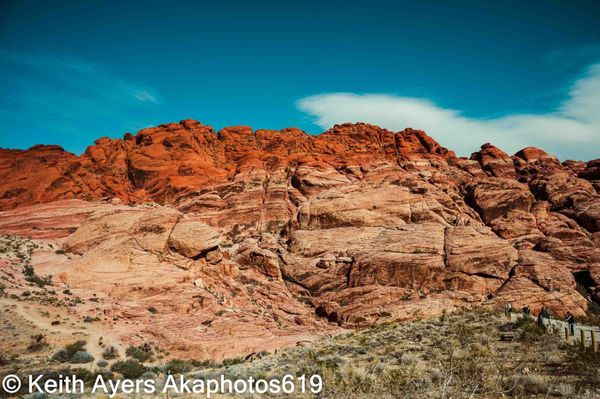
Scenic drive, hiking trails, and geological wonders abound


















Information
Nevada 89161 Get directions
Scenic drive, hiking trails, and geological wonders abound
Nevada 89161 Get directions
"Las Vegas is a top warm winter destination, known for its entertainment, dining, and sunny weather." - Stacey Leasca Stacey Leasca Stacey Leasca is an award-winning journalist and co-founder of Be a Travel Writer, an online course for the next generation of travel journalists. Her photos, videos, and words have appeare
"I used Red Rock Canyon as a break from the city for scenic hiking and biking trails located just 30 minutes from town." - Matthew Kepnes
"Just 30 minutes west of the city, Red Rock Canyon offers plenty of hiking and biking trails ringed by a road with parking at each trailhead, making it an easy escape for a quick hike or a full day of adventure; there are both easy and challenging trails, so arrive early before it gets hot and bring sunscreen and lots of water. Admission is $20 per car or $5 per cyclist/pedestrian." - Matthew Kepnes
George F.
Asia R.
Konstanty
Infinit 2
END A.
Rob V.
Greg M.
Nainil M.

Andrew S.

Dale S.

Sara C.

Ame G.

Sophie T.

Alisa M.

Brittany C.

Alan L.

Mark L.

Mac S.

Jolie F.

Tiffany V.

Kate A.

Briana S.

Chee K.

Ron R.

Dorothy B.

Jessica P.

Mike L.

Sadig A.

Monique W.

Essie K.

Stevo O.

Angela V.

Francine L.

Miranda Y.

Sidonie D.

Nancy H.

Sandy P.

Irv W.

Tatiana S.

Otto L.

Ethan Z.

sherry u.

Bella M.

Krista V.

Sheri H.

Tracie M.

Mary P.

Violeta H.

Eddie D.

Diana W.

Martha M.

Afshin A.

Marie AK C.

Diva G.

Sean T.

Alyssa C.

Uma P.

Dorian J.

