Royal Site of San Lorenzo de El Escorial
Monastery · El Escorial ·
UNESCO site: palace, monastery, basilica, library, mausoleum



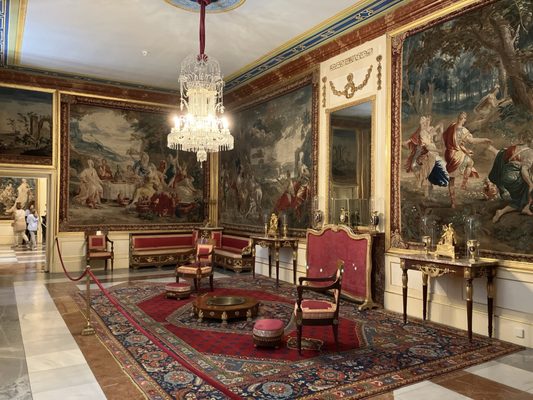


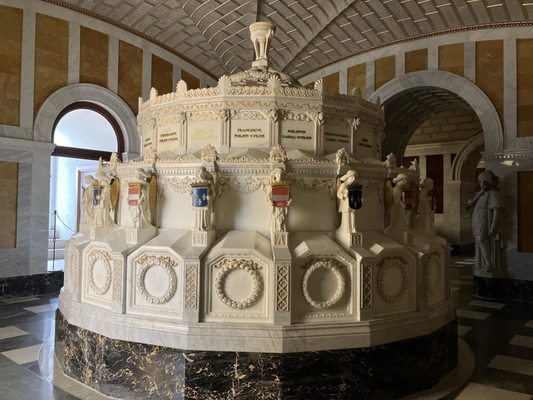

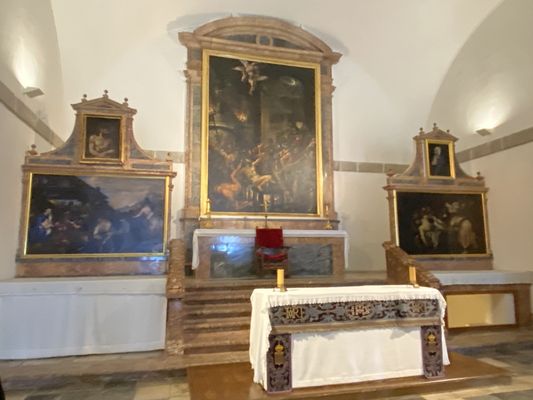


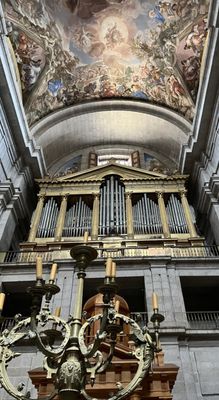





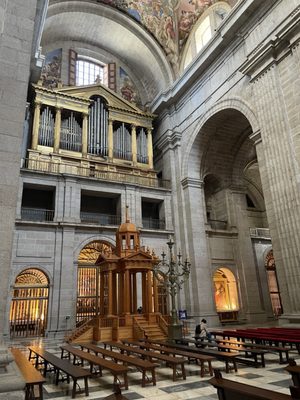
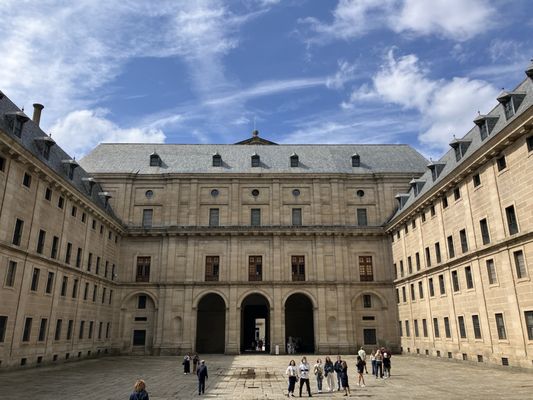


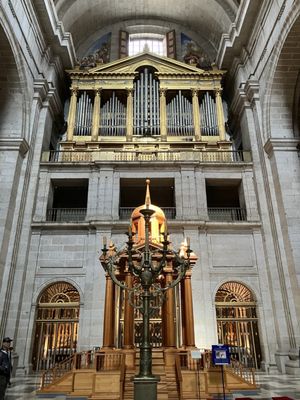


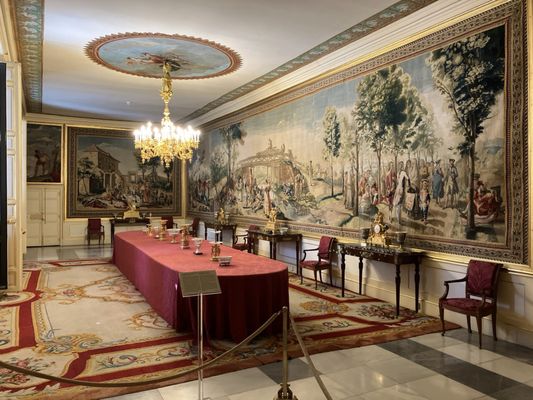


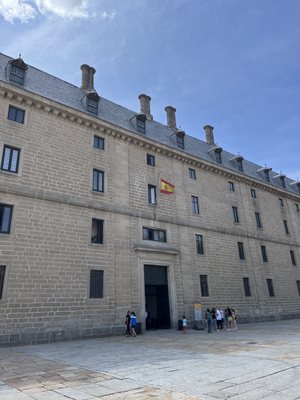
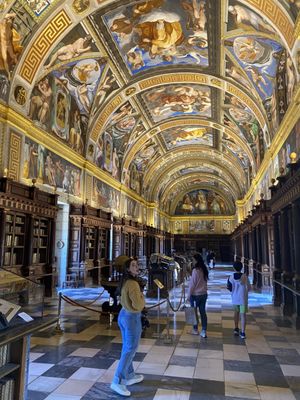
UNESCO site: palace, monastery, basilica, library, mausoleum
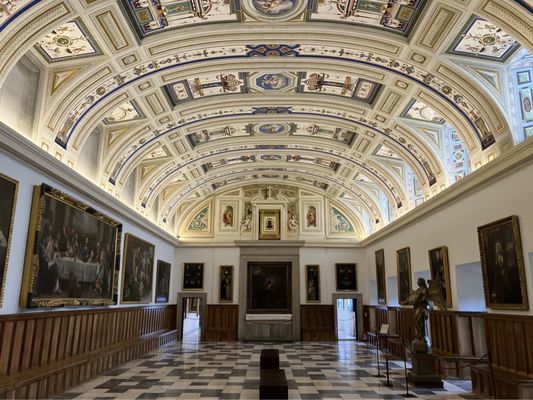
"Part of the UNESCO-listed Royal Site of San Lorenzo de El Escorial, this late-16th-century library founded under King Philip II served as a repository for humanist learning. A long barrel-vaulted hall completed by architect Juan de Herrera embodies the sober classical style of the larger complex, while a collection of over 40,000 volumes includes Greek and Arabic manuscripts, early cartographic works, and rare scientific treatises gathered from across the Iberian world. Shelving follows a forward-thinking “wall system,” storing books upright along the perimeter to improve ventilation, and frescoes by Pellegrino Tibaldi depict the liberal arts and the four faculties of medieval knowledge. Access to the hall is controlled, with only a portion of manuscripts shown in rotating cases." - Navya Verma
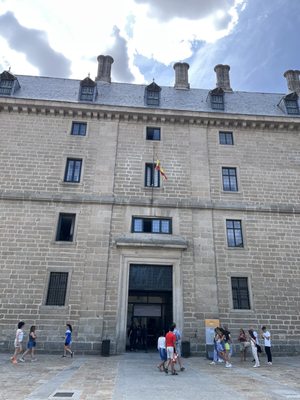
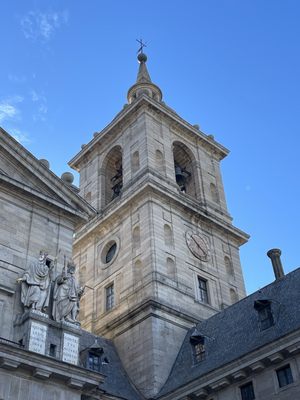
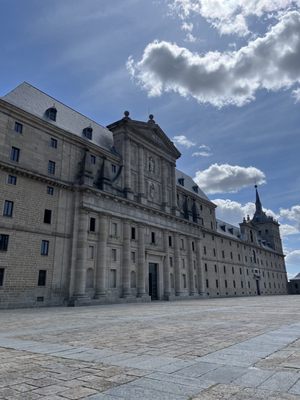
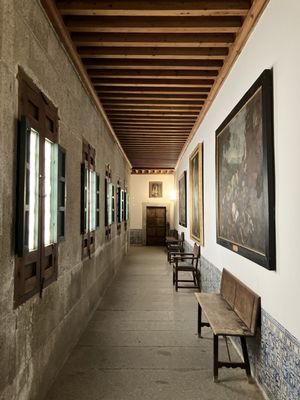
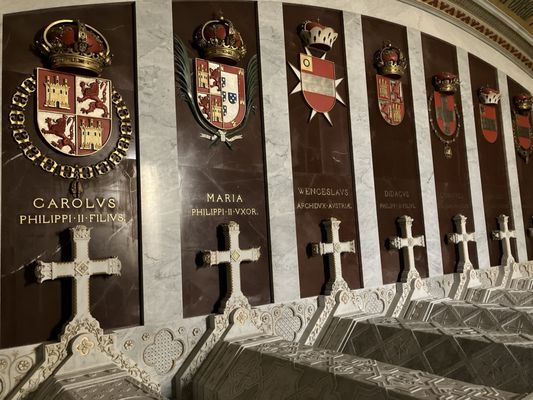
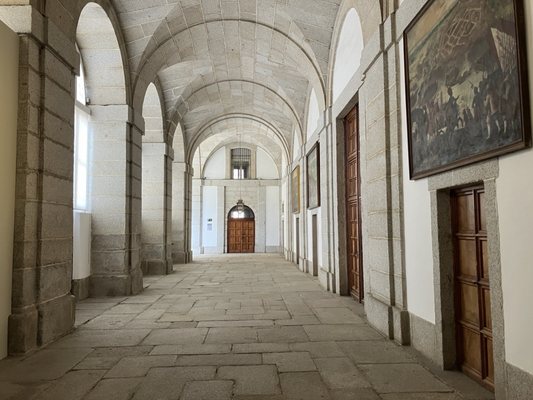
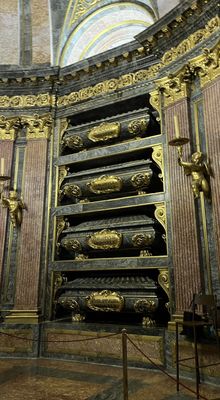
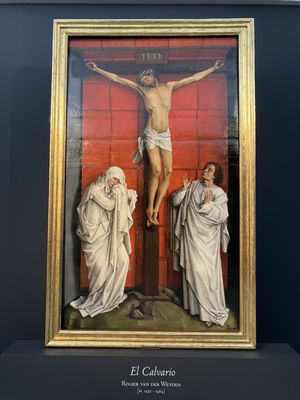
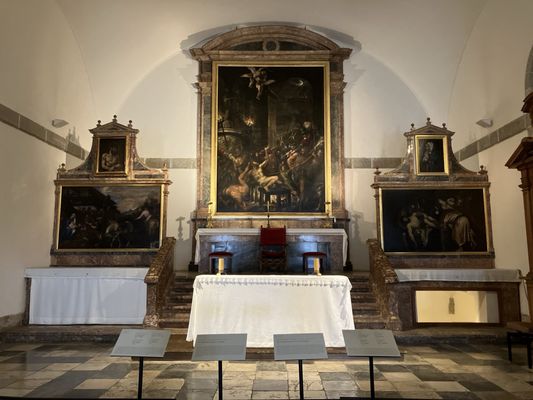
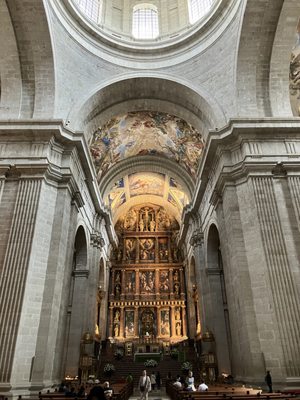
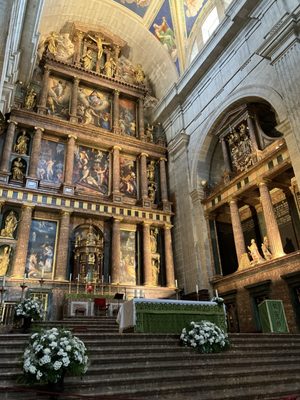
"An imposing example of Spanish Renaissance style, Royal Monastery of San Lorenzo de El Escorial, an unmissable landmark, was once the royal residence of the Spanish king. This massive complex is now a UNESCO World Heritage Site with an art gallery, manicured gardens galore, basilica, library, and architectural museum; in other words, there's something for everyone. Show up early or prepare for long lines—this is one of the most popular sites in town." - Ramsey Qubein

Sidónio S.
Tatiana S
Bethany M.
Seimen B.
Jaime Garcia B.
Tulio M.
Seamus S.
Lu A.

Gerry T.

Ryan R.

Danielle- City Skipper Gal F.

Daniel C.

Ricky A.

Angel W.

Alex M.

Tara V.
Lil D.
Rene B.

Susan N.
Pablo M.
