Thian Hock Keng Temple
Taoist temple · Chinatown ·
Oldest Hokkien temple: sea goddess, nail-free construction
















Oldest Hokkien temple: sea goddess, nail-free construction
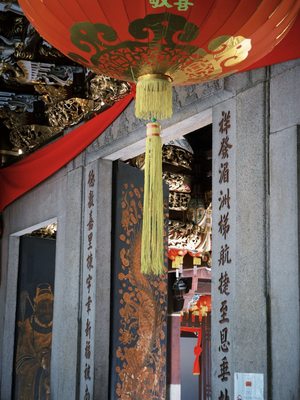
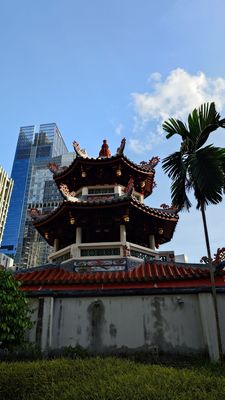
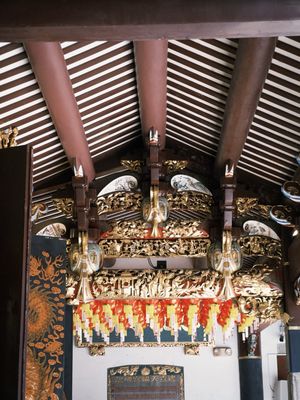
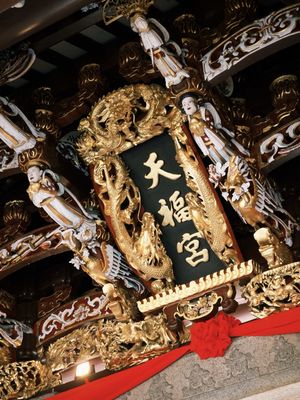
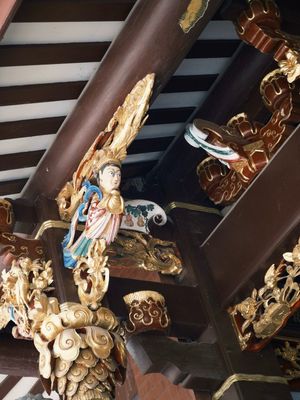
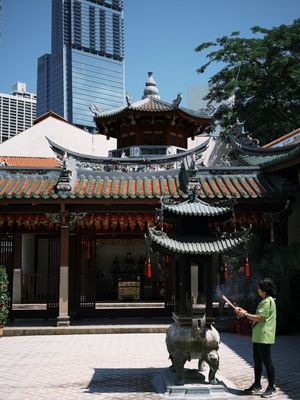
"Built between 1839 and 1842, Thian Hock Keng Temple is the oldest Hok-lo temple in Singapore . Constructed on the site of an earlier primitive shrine created by Chinese sailors grateful to have survived the journey to Singapore (and needing blessing for the next voyage), it’s dedicated to the Chinese goddess of the sea, an important deity to honor considering how treacherous ocean travel could be in those days. (The goddess of mercy and Confucius are also worshiped there.) The gilded temple’s ceiling murals, statues, and red and black lacquer are striking—and so is the fact that not a single nail was used in its construction: The temple is supported entirely by iron and wooden pillars."

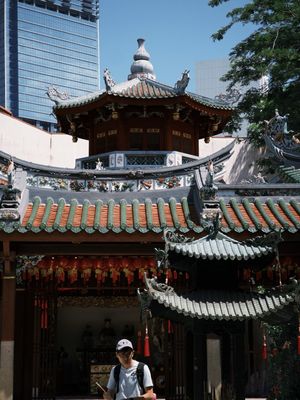
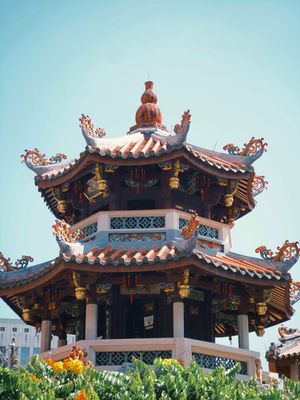
"Thian Hock Keng Temple, a.k.a. Tianfu Temple, is Singapore’s oldest Buddhist temple. The elaborate architecture, done up in the traditional southern Chinese style, was built without using a single nail. Now fully restored, it's a feast for the eyes with its dragon and phoenix sculptures and Fujian-style broken porcelain roof ridges. Photos aren't allowed in most parts of the temple, and you'll likely get caught if you try to snap one. So you'll have to just keep those memories with you. If you can't keep your camera in your purse, don't go. This is not a selfie op. Admission is free, but it still never gets too crowded." - Ashlea Halpern

"What’s this place all about? Thian Hock Keng Temple, a.k.a. Tianfu Temple, is Singapore’s oldest Buddhist temple. The elaborate architecture, done up in the traditional southern Chinese style, was built without using a single nail. Now fully restored, it's a feast for the eyes with its dragon and phoenix sculptures and Fujian-style broken porcelain roof ridges. Photos aren't allowed in most parts of the temple, and you'll likely get caught if you try to snap one. Admission is free, but it never gets too crowded. Who comes here? The temple draws a mix of visitors. You'll see worshippers lighting incense or praying in designated meditation rooms, and tourists milling about the courtyards. It's a small, working temple. Did it meet expectations? It's a lovely temple but not necessarily something a traveler should go out of their way to see, unless they're deeply interested in Hokkien culture (the dominant ethnic group in Southern China as well as Singapore), Chinese Buddhism, or temple architecture. So, then, what, or who, do you think it’s best for? Local worshippers and the culturally curious. If you can't keep your camera in your purse, don't go. This is not a selfie op." - Ashlea Halpern
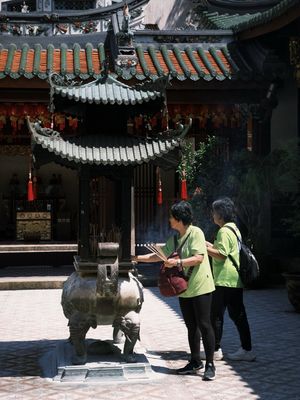
"The oldest Chinese temple in Singapore, built in 1839 to honour a sea goddess; notable for its traditional architecture, pavilions arranged around a tranquil central courtyard, and historical role when its site was once on the waterfront prior to land reclamation." - Sanjay Surana
"One of the city's oldest and most architecturally significant temples, traditionally visited by early immigrants to give thanks to a sea-protecting deity; notable for its nail-free construction using stone, tile and wood, as well as intricate carvings, sculptures and mosaic detailing." - Ink Creative Studios


