Schönbrunn Palace
Castle · Schonbrunn ·
Former Habsburg summer residence with ornate interiors & gardens














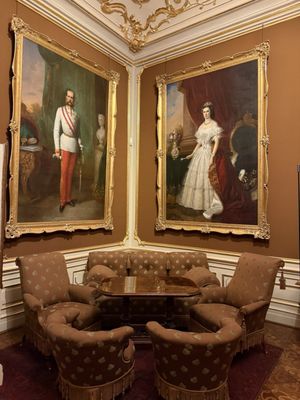


Former Habsburg summer residence with ornate interiors & gardens
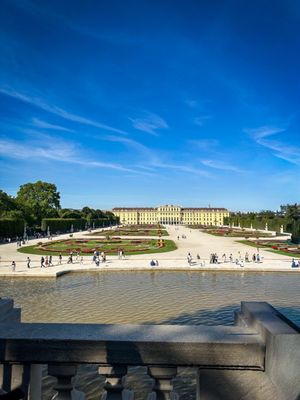
"Once the Habsburgs' summer residence and now a UNESCO World Heritage Site, I found Schönbrunn Palace to be Vienna's must-see; it draws big crowds (especially on weekends), but tickets are issued relatively quickly and there's plenty to do while you wait, from grabbing a bite to wandering the gardens before entering the castle." - Lydia Mansel Lydia Mansel Lydia Mansel is a writer with more than eight years of experience editing and writing for both brands and online publications—with a particular focus on travel, fashion, and lifestyle. She’s also the founder of the travel site justpacked.com. Travel + Leisure Editorial Guidelines
"Baroque splendor in Vienna feeds a taste for history and order without demanding any risk-taking." - Michaela Trimble
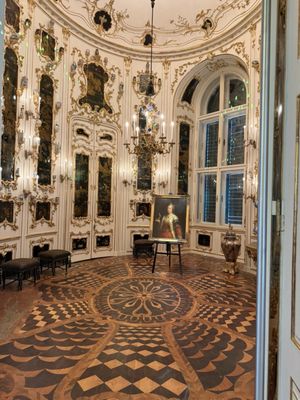
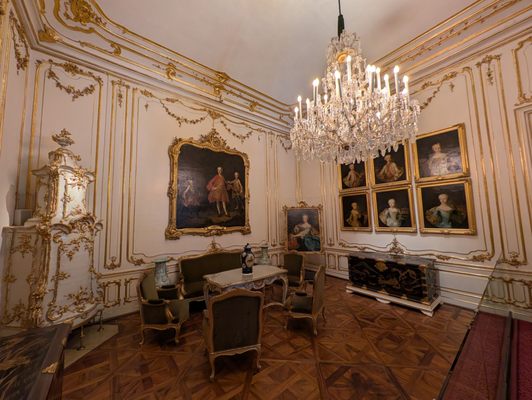
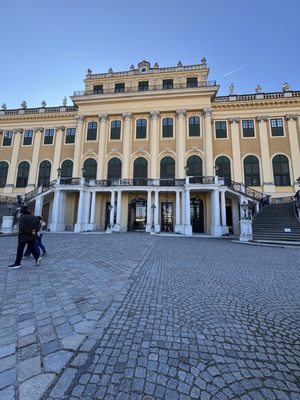
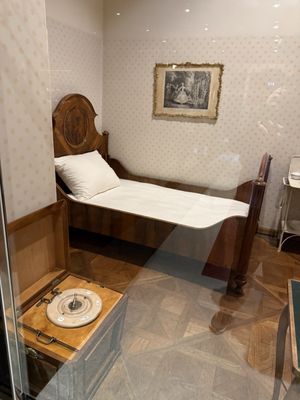
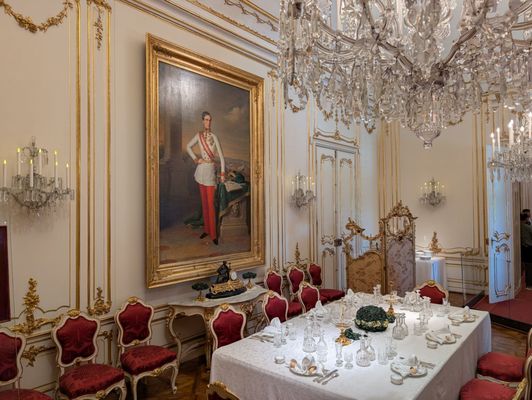
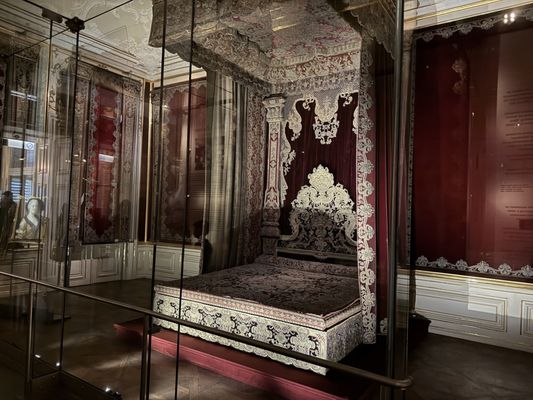
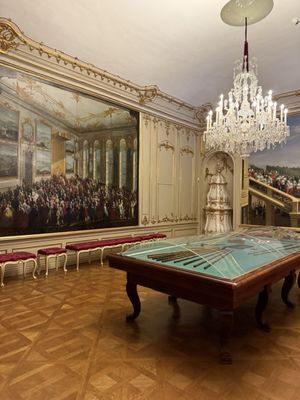
"Schönbrunn: Vienna's Most Magnificent Palace Schönbrunn was the summer residence of the Habsburgs and one of Europe's most stunning Baroque palaces. The family acquired the land in the 16th century and later built a palace, but it was completely rebuilt under Maria Theresa between 1744 and 1749. Emperor Franz Joseph was born and later ruled from here with his wife, the beloved Sissi. (Never mind that she was actually Bavarian.) Beautiful stucco work, frescoes, and lacquered panels adorn the interior in rooms like the Round Chinese Cabinet and Vieux-Lacque Room. In the Blue Chinese Salon, the last emperor, Karl I, signed his abdication in 1918, effectively ending more than 600 years of Habsburg rule."

"Schönbrunn: Vienna's Most Magnificent Palace Schönbrunn was the summer residence of the Habsburgs and one of Europe's most stunning Baroque palaces. The family acquired the land in the 16th century and later built a palace, but it was completely rebuilt under Maria Theresa between 1744 and 1749. Emperor Franz Joseph was born and later ruled from here with his wife, the beloved Sissi. (Never mind that she was actually Bavarian.) Beautiful stucco work, frescoes, and lacquered panels adorn the interior in rooms like the Round Chinese Cabinet and Vieux-Lacque Room. In the Blue Chinese Salon, the last emperor, Karl I, signed his abdication in 1918, effectively ending more than 600 years of Habsburg rule."
"This is the spectacular summer residence of the Habsburgs, rivaling the grandeur of Versailles." - RICKSTEVES


