Elk Island National Park
National park · I.D. No. 13 (Elk Island) ·
Protecting bison herds, offering diverse trails and abundant wildlife


















Protecting bison herds, offering diverse trails and abundant wildlife
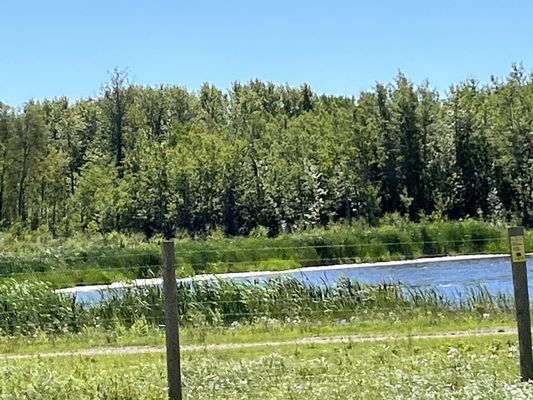
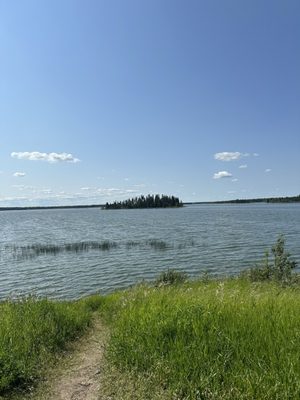
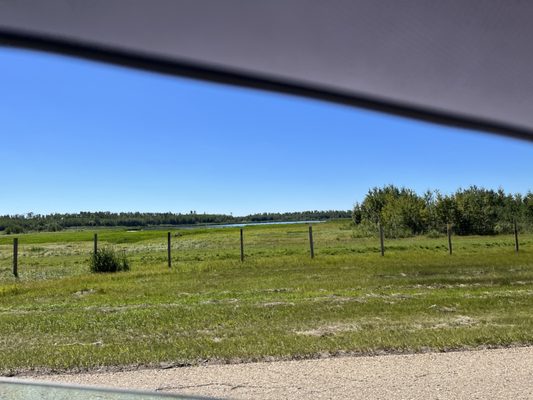
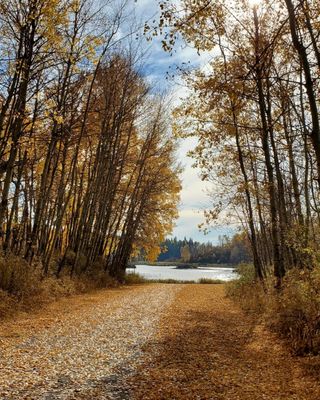
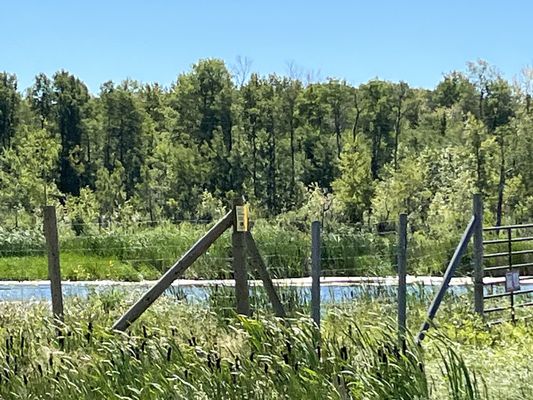
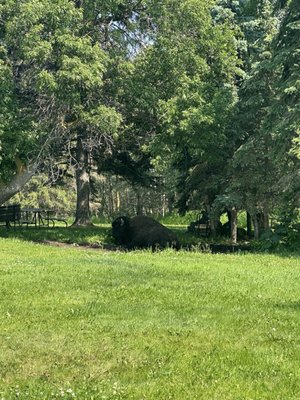
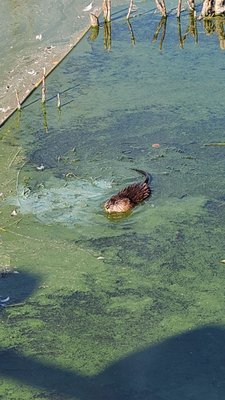
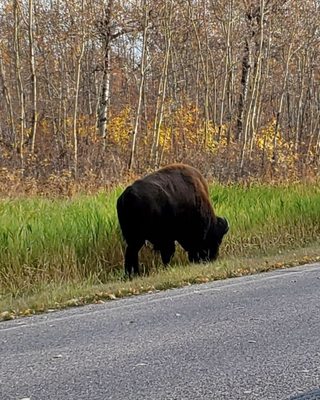
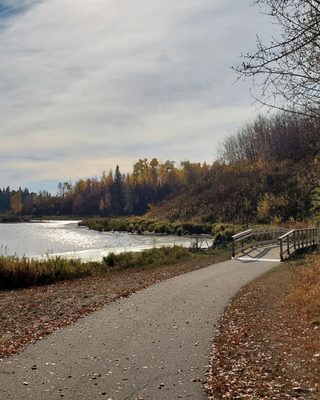
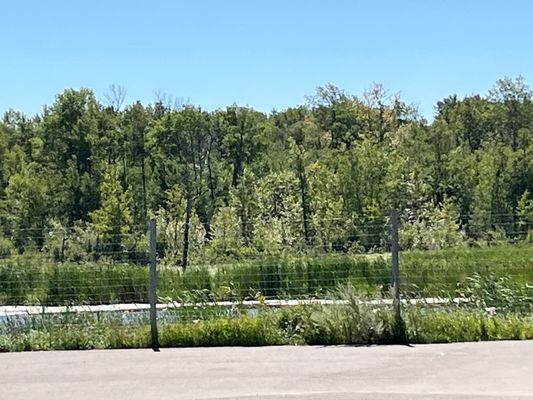
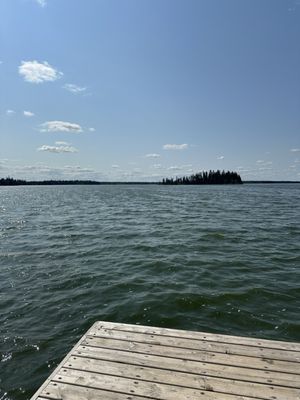
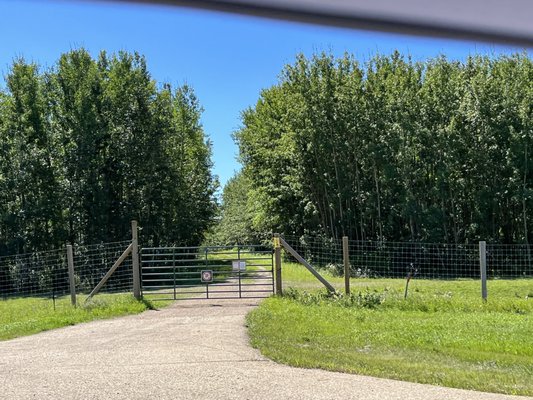
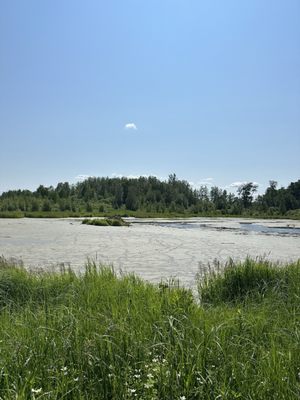
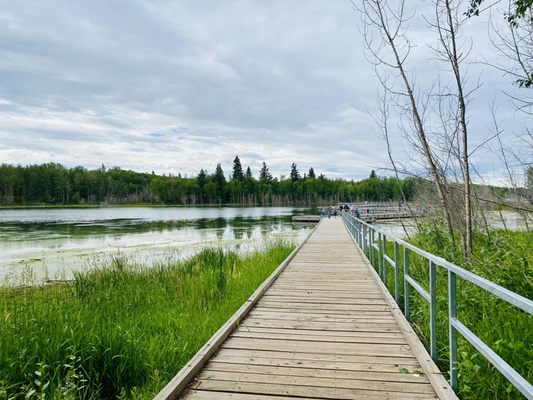
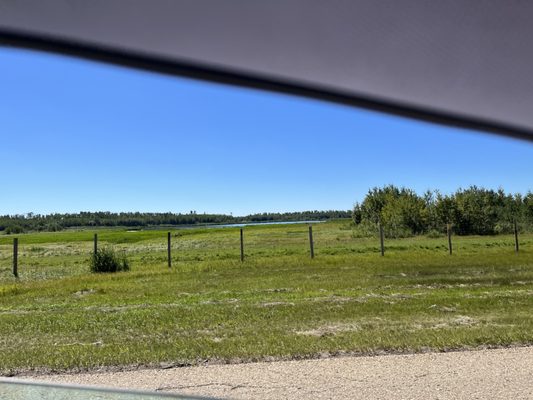
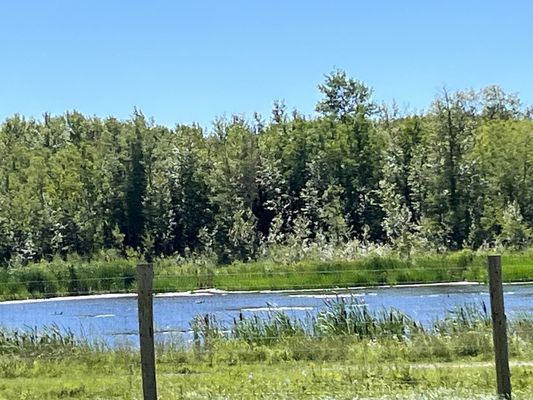
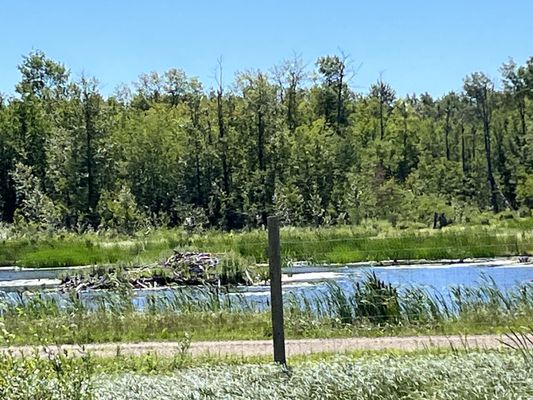
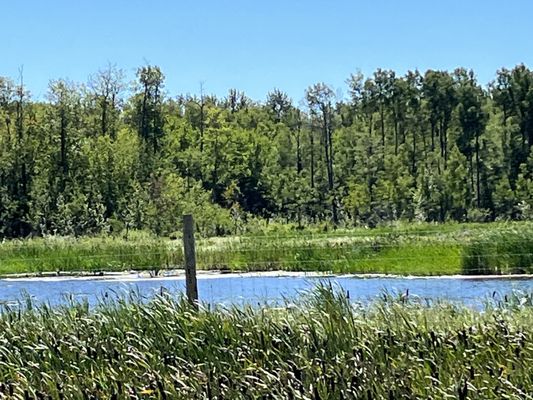
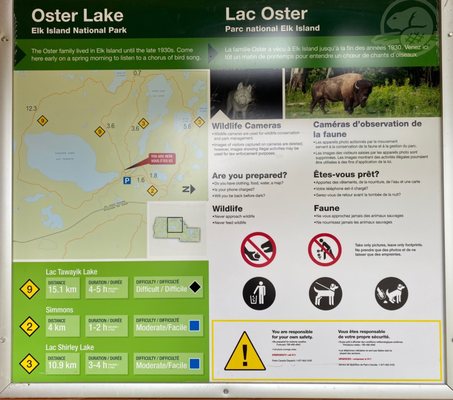
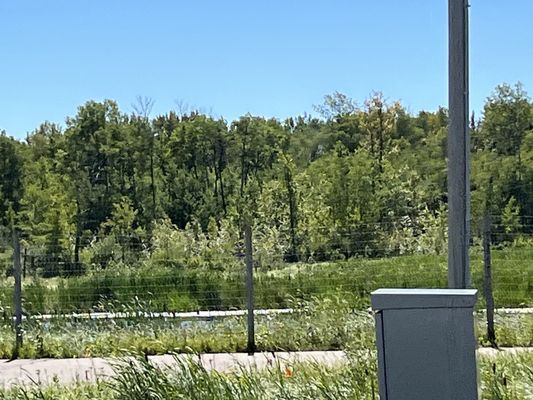
"Where Sheepish Bison Lay Elk Island National Park, just over 20 miles east of the provincial capital of Edmonton, is one of the few fully fenced national parks in Canada, and home to large populations of elk, moose, deer, coyote, beaver, pelicans, cormorants, herons, as well as plains and wood bison. But make no mistake; this is no zoo. Elk Island is big, and the animals have an incredible amount of space to roam. The fences only exist to keep the purebred populations of bison from mating with frisky local cattle. Someone has to help the Longhorns keep to themselves. Traditional plains and prairie plateau species have been reintroduced to the park through the years, and today Elk Island boasts more than 600 elk, 500 deer, 300 moose, and nearly 500 bison, which makes big animal sightings a common occurrence even for visitors with a short amount of time to spend in the park. Elk Island features numerous recreational locations, including lakes, grassland, boreal forest, and more, providing plenty of opportunities for hiking, kayaking, snowshoeing, cross country skiing, camping, and even golfing. Many of the animals in the park are used to the presence of humans, and don’t mind posing for photographs - while others are shy, and like to keep to themselves. No matter how friendly these big, beautiful beasts may seem, keep in mind that they're wild, and always will be. Stay back, and zoom in. [Flash traveled to Alberta courtesy of Travel Alberta.]"

"For wildlife and conservation, I visit Elk Island National Park just outside Edmonton; it’s Canada’s only fenced national park and a deliberate conservation effort to help bring the bison population back." - Matthew Kepnes
Will P.
Gihan W.
Eddie A.
Robin R.
Daniel
Jetlover X
Nathan W.
Kirsten A.
Sunny K.

Daniel K.

Carol W.

Monica C.

Ronald M.

Ellen W.

Monica I.

Christopher H.

Kyle A.

Susan W.

Paul S.

Shawnna P.

Ingrid G.

Maya D.

Stefan L.

Aditya R.
Eric B.

Tracy L.

Matt B.

Kate H.

Scott H.

Captain K.

Dana C.

Robin S.

Nicole O.

Tamia H.

Tess R.

Pamela D.

Nicole F.

Alyssa B.
Maria F.

