Reichstag Building
Government office · Tiergarten ·
Historic German parliament building with glass dome offering panoramic views


















Information
Platz der Republik 1, 11011 Berlin, Germany Get directions
Historic German parliament building with glass dome offering panoramic views
Platz der Republik 1, 11011 Berlin, Germany Get directions
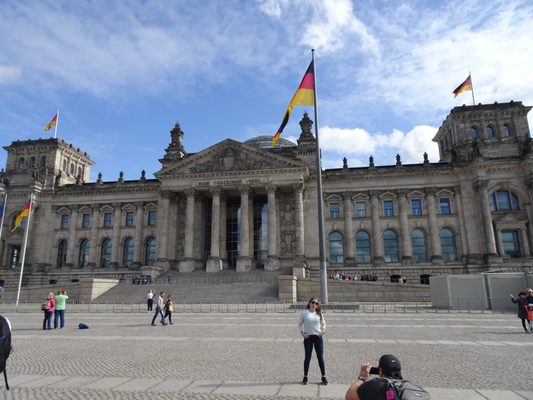
"Rebuilt after ruin and fire, the stately Reichstag now houses the Bundestag and is a potent symbol of German reunification, topped by Norman Foster’s gleaming glass dome with a 755-foot-long ramp I recommend ascending (with advanced booking) for sweeping, free views and a vivid contrast between the country’s troubled past and its commitment to transparency." - Liz Humphreys, Krystin Arneson

"A government building dome that provides panoramic city vistas and a memorable architectural experience at no cost, though advance registration is required." - Lauren Dana Ellman Lauren Dana Ellman Lauren Dana Ellman is a New York-based writer and editor who specializes in travel, lifestyle, food, and shopping content. Travel + Leisure Editorial Guidelines
"The historic parliamentary building distinguished by its prominent glass dome, a focal landmark in the government quarter and a symbol of the city’s architectural and political history." - AFAR
"One of the iconic structures in the city, the German parliament building is symbolic of the country’s post-Wall democratic development and full of interesting sights and stories. Known predominantly for its elegant glass dome, which was built by Sir Norman Foster as an architectural metaphor for transparency, the building was famously burned down in the mysterious fire of 1933, destroyed again by Soviet soldiers in 1945, and neglected until the Berlin Wall fell and Berlin became the capital again. Renovated between 1995 and 1999, parts of it — including the glass roof, which has great views on clear days — are open to the public. Guided tours can also be arranged. One way to beat the lines is to book a table at the rooftop restaurant, though you will still need to show your passport." - MATADOR_NETWORK
"Built by Kaiser Wilhelm I in the late 19th century as a gestureto parliamentarians, Berlin’ s famed Reichstag came into its own during the Weimar era— Germany ’s first attempt at democracy. The parliament building burned under mysterious circumstances in 1933, leading to the suspension of civil rights and Hitler’s ensuing dictatorship. Seized and shot to pieces by Soviet troops in 1945, then abandoned during the city’s division, the traumatized building reentered public life when the German government returned to Berlin following reunification. Today the Reichstag stands proud, topped by a glass dome designed by British architect Sir Norman Foster as a symbol of political transparency. Going inside the dome is very popular; you can look down on plenary sessions as well as admire sweeping city views."


