New Orleans Pharmacy Museum
History museum · French Quarter ·
Museum of 19th-century pharmacies, medicines, and healthcare practices.
















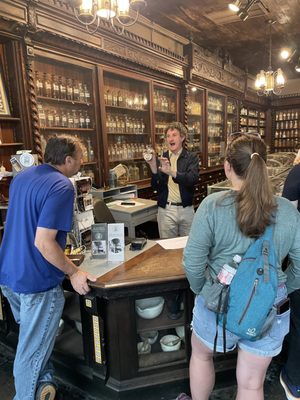

Museum of 19th-century pharmacies, medicines, and healthcare practices.
"A tiny museum I wandered through between stops, making for a quick, curious detour in Old Town." - Teddy Minford
"Houses a collection of artifacts documenting the history of pharmacy and medicine in the 19th and 20th centuries, with a focus on New Orleans and African American contributions."
"For a more unusual museum visit, the New Orleans Pharmacy Museum is suggested as a quirky, offbeat option that departs from the typical museum itinerary." - Lydia Mansel Lydia Mansel Lydia Mansel is a writer with more than eight years of experience editing and writing for both brands and online publications—with a particular focus on travel, fashion, and lifestyle. She’s also the founder of the travel site justpacked.com. Travel + Leisure Editorial Guidelines
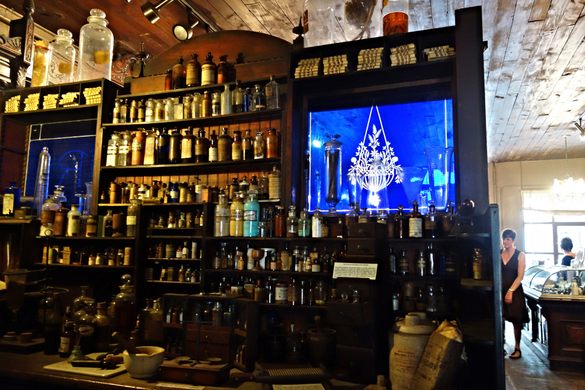
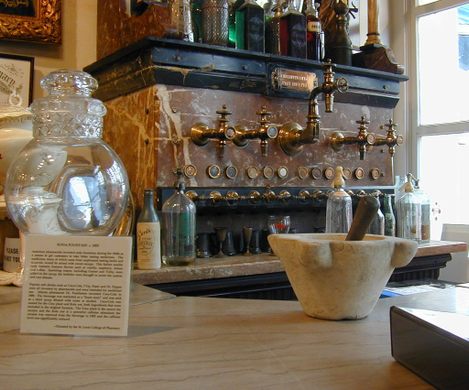
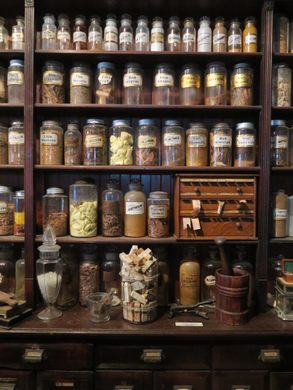
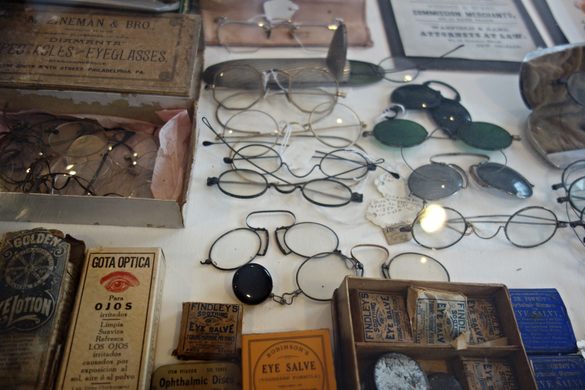
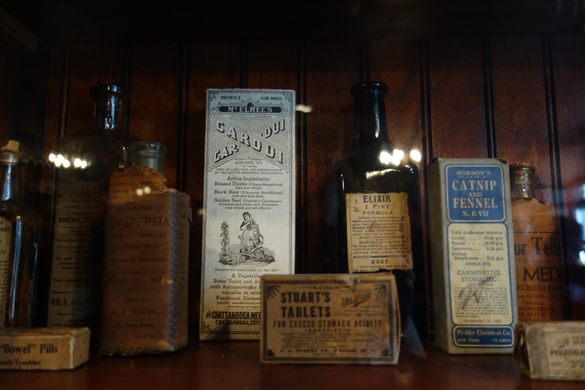
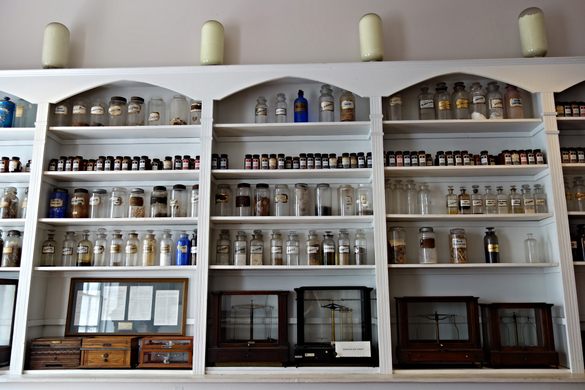
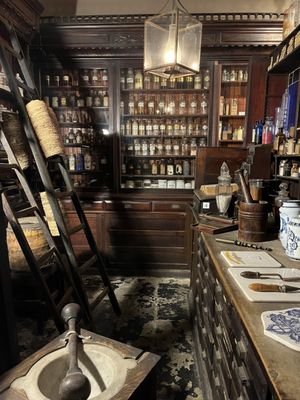
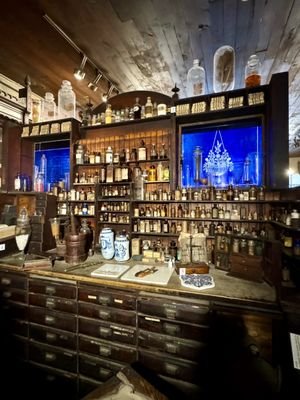
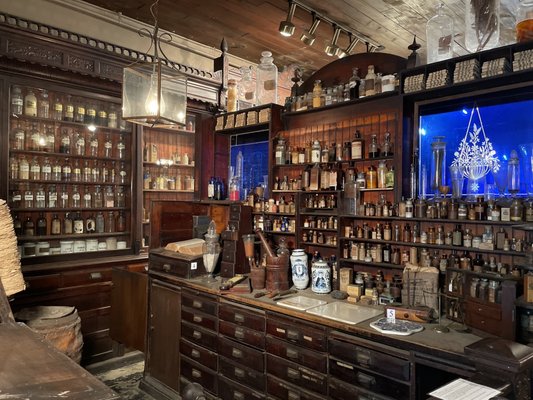
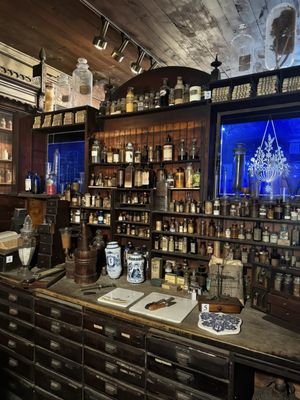
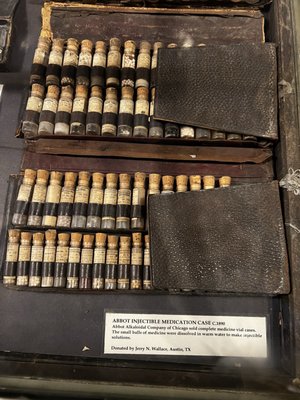
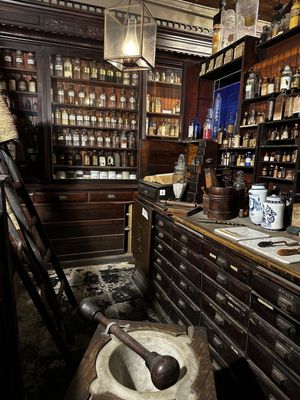
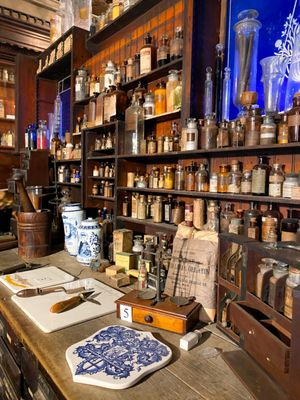
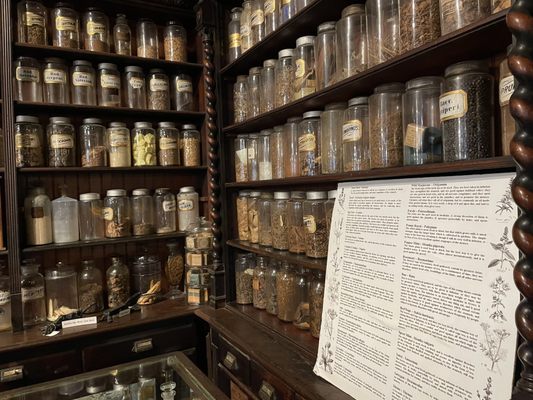
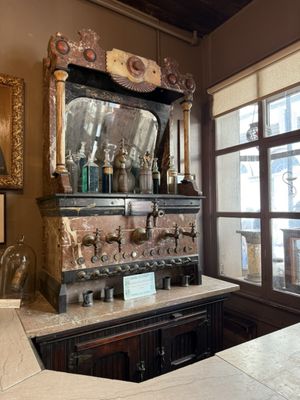
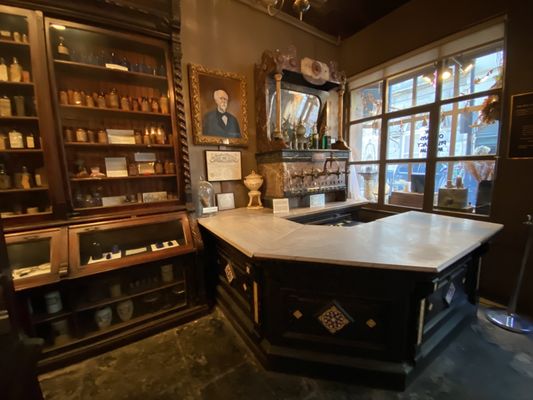
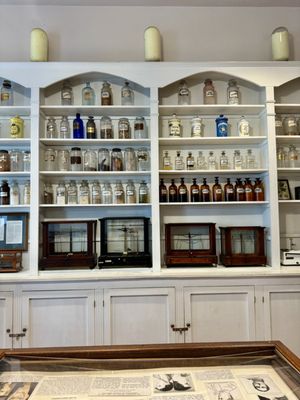
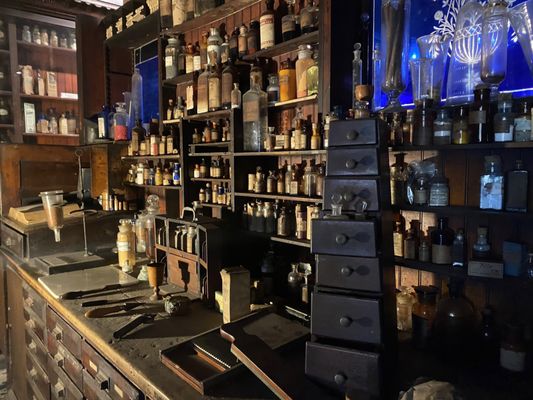
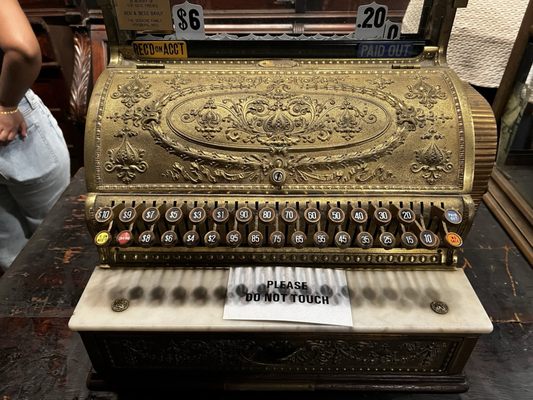
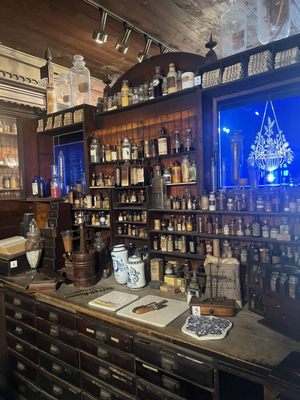
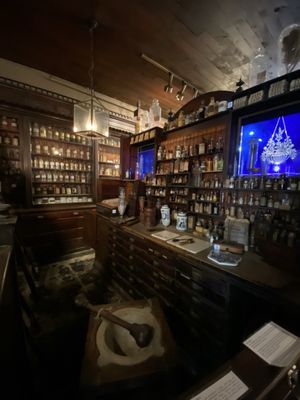
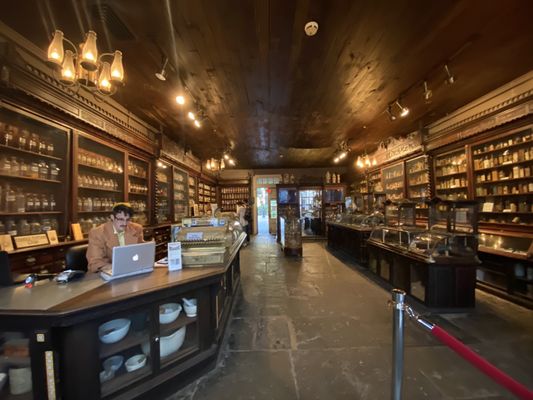
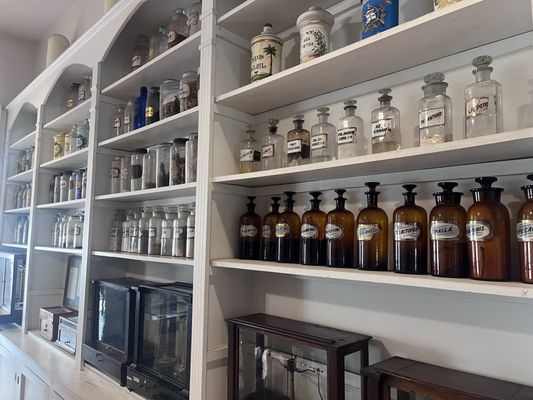
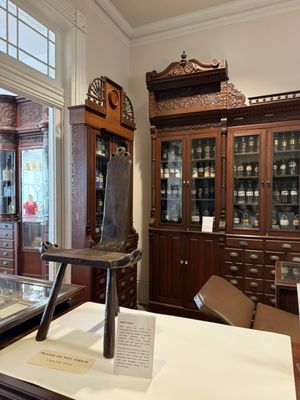
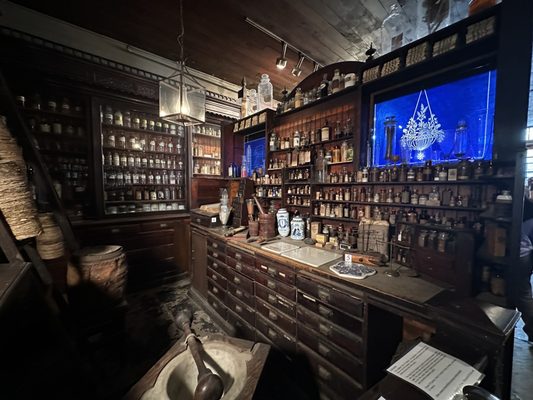
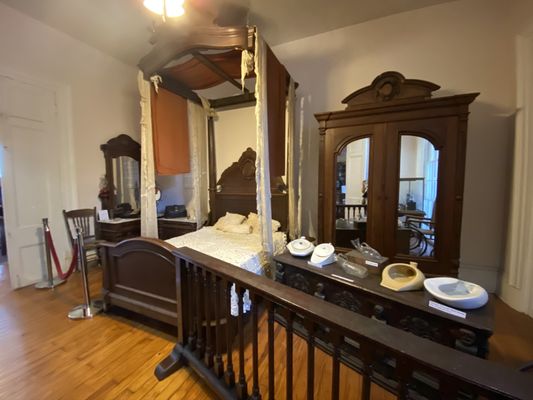
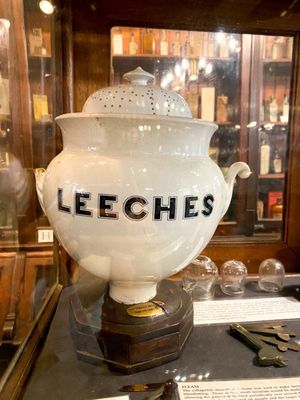
"In a two-story historic building in the French Quarter of New Orleans, this pharmacy museum showcases its extensive collection and provides educational programs on the history of pharmacy and health care. Among the holdings of the New Orleans Pharmacy Museum is a large collection of apothecary jars containing their original ingredients, old wheelchairs, black leather physicians’ bags, medical instruments, eyeglasses, optical prosthetic devices, and surgical tools all displayed in hand-carved, glass-fronted cabinets. Keep your eyes open for an array of voodoo potions, including the famous “Love Potion No. 9.” Next to an antique brass cash register, look for a white ceramic jar labeled “Leeches,” which nods to a time when the worms were affixed to people’s skin in the name of medicine. The back of the shop has a recreated pharmacist’s work area, complete with mortar and pestle, microscopes, and wooden blenders. The museum also highlights the original role of the “soda fountain,” which once served the purpose of helping pharmacy customers chase a particularly nasty-tasting medicine. The museum highlights the role of Louis Joseph Dufilho, Jr., whose work symbolizes the beginning of a system of certifying the professional competence of pharmacists and recognizing the vital role they could play in promoting public health. It also hosts the extensive Dr. J. William Rosenthal’s Spectacles Collection on the second floor." - ATLAS_OBSCURA
"Little-known fact: New Orleans was the first place in North America to license pharmacists (starting in 1769, when the city was still under Spanish rule). After Louisiana became a territory, the U.S. governor extended the requirement, also decreeing that pharmacists take a three-hour licensing exam in order to practice. And no wonder illness got such attention—the city was arguably the least healthy place to live on the continent; it was riddled with yellow fever, malaria, and dysentery. This dark but fascinating history is explored in this atmospheric 1822 town house, which was once the home and shop of Louis J. Dufilho, the first licensed pharmacist in the city—and hence in the country. Exhibits include apothecary jars, tools of the trade, and leeches. (Yes. Leeches.)"