The RAGE - Record, Art and Game Emporium
Record store · Ringsend ·
Retro video games, vinyl records, Polaroid cameras, and film

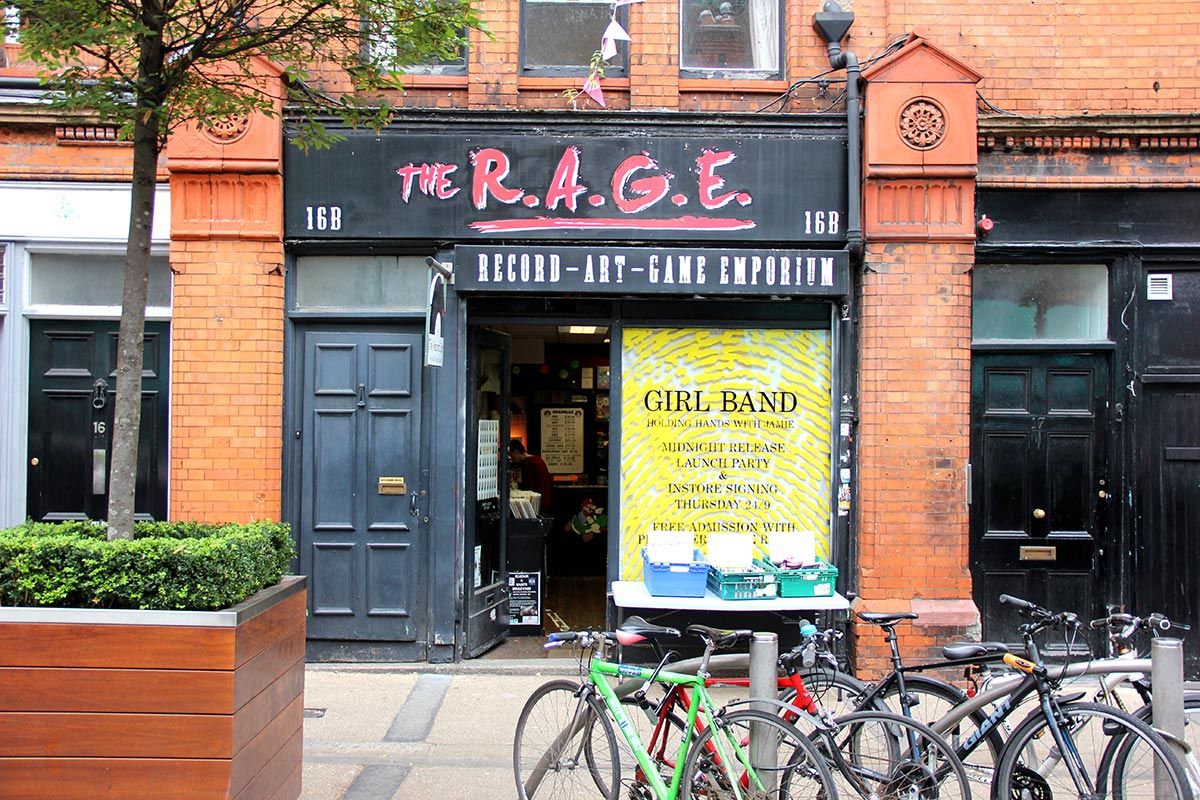


Retro video games, vinyl records, Polaroid cameras, and film
"Looking for something like A Link to the Past or maybe another copy Final Fantasy VII? This place is heaven for anyone with an interest in video games. Absolutely amazing inventory and staff that are knowledgable and enthusiastic, happy to rummage around to find that RPG you never got to play on the Game Boy Advance. There’s also a lovely little record store in the basement that has a great selection. It’s actually hard not to be effusive when it comes to the R.A.G.E., we’re just happy it exists." - It's Okay
"The R.A.G.E., Southside. Looking for something like A Link to the Past or maybe another copy Final Fantasy VII? This place is heaven for anyone with an interest in video games. Absolutely amazing inventory and staff that are knowledgable and enthusiastic, happy to rummage around to find that RPG you never got to play on the Game Boy Advance. There’s also a lovely little record store in the basement that has a great selection. It’s actually hard not to be effusive when it comes to the R.A.G.E., we’re just happy it exists."
"On entry, this shop presents itself as a vintage video gamer’s wet dream, only to reveal a basement boutique of the rarest records replete with listening stations for us to explore." - Vogue
Christoph D.
Gerhard D.
John K.
Babycandance B.
Angelo B.
Seán M.
A W
Alex B.

