Brandenburg Gate
Historical place · Mitte ·
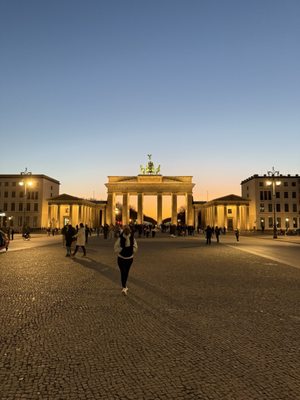
Iconic 1791 neoclassical arch, symbol of reunification and meeting point











Information
Pariser Platz, 10117 Berlin, Germany Get directions
Iconic 1791 neoclassical arch, symbol of reunification and meeting point
Pariser Platz, 10117 Berlin, Germany Get directions
"Berlin’s open‑air Party at the Brandenburg Gate packs the stretch to the Victory Column with ticketed revelry—live music and DJs, food stands and bars, laser and fireworks shows—channeling the city’s 1989‑era spirit of unity." - Elissa Garay
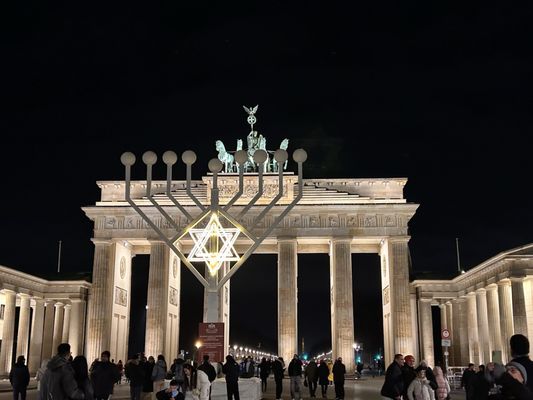
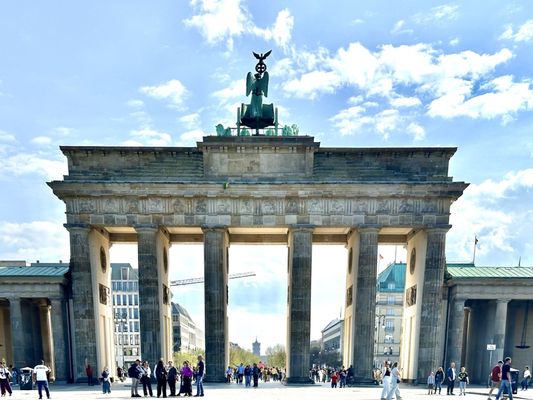
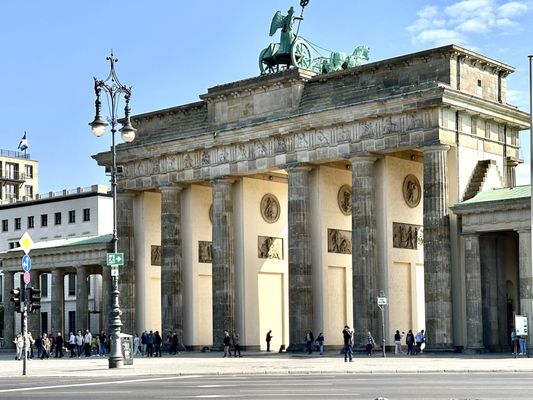
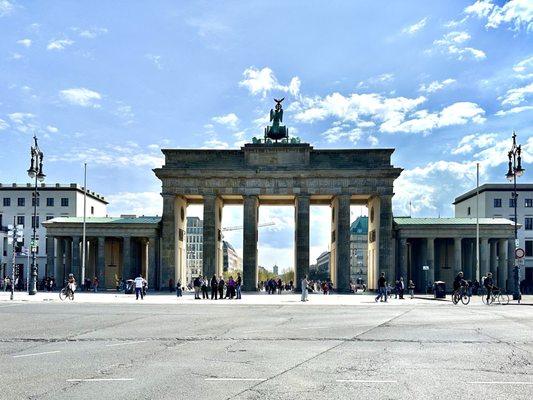
"This triumphant 1791 neoclassical arch—the only surviving gate of the original 14—has been the stage for Napoleon, Nazi rallies, and the 1989 toppling of the nearby Wall, and today serves as Berlin’s most famous symbol of reunification and a convenient central meeting point within walking distance of Tiergarten, the Reichstag, and the Holocaust Memorial." - Liz Humphreys, Krystin Arneson

"An iconic neoclassical landmark in central Berlin that serves as a popular photo spot and meeting point for visitors, including solo travelers; frequently photographed and used as a backdrop for sightseeing and city exploration, reflecting the area's historical and civic significance." - Evie Carrick Evie Carrick Evie Carrick is a writer and editor who’s lived in five countries and visited well over 50. She now splits her time between Colorado and Paris, ensuring she doesn't have to live without skiing or L'As du Fallafel. Travel + Leisure Editorial Guidelines
"An 18th-century neoclassical monument that serves as an iconic symbol of national history and is commonly included on a classic sightseeing route through the city's historical landmarks." - Patricia Doherty Patricia Doherty Patricia Doherty is a writer who specializes in covering destinations, resorts, and cruises for Travel + Leisure and other publications. Travel + Leisure Editorial Guidelines
"Napoléon and his armies marched through it; revolutionaries and Nazis gathered beneath it; the Berlin Wall ran right behind: It’s safe to say that Berlin ’s iconic Brandenburg Gate, completed in 1791, has pretty much seen it all. Designed by Carl Gotthard Langhans, who drew inspiration from the entrance to the Acropolis in Athens , the gate is best approached via Unter den Linden, the tree-lined boulevard that runs between the gate and the former Royal Palace. You can combine a visit here with nearby sights such as the Reichstag, Tiergarten Park, and the Memorial to the Murdered Jews of Europe. Since 2016, an impressive high-tech museum at the gate has offered a history of the city through the perspective of the iconic structure."


