Courtney B.
Yelp
Today, I came in to visit the museum with Thing Two. I used to be a member here, but since moving further north, I dont have the opportunity to come as much and, as such, let my membership lapse. However, because I was in this location and also because there is a new exhibit here, I had to come in. The location has ample parking across the street and isn't located on a busy street, so it's quite easy to access. The newest exhibit here is the Age of Armor.
This exhibit was so interesting, Thing Two and I learned a great deal.
What we learned:
Improvements in metallurgy in the Middle Ages contributed to the rise of the suits of armor. Also called plate armor, the metal was the best way to protect the fighter from being slashed apart by a sword or pierced with a lance or pikes so pieces of metal were pounded flat and used to fashion a protective garment. The pieces of metal were held together by chains or leather straps. While suits of armor were helpful protection from sword and dagger attacks, they were less effective at keeping the wearer safe from forceful hits. Weapons such as war hammers, maces, and poleaxes could still be deadly to the warrior because the metal suit did little to prevent injuries from blunt
force trauma. The knight could die from a concussion or head injury if struck on the head with one of these weapons, even if he were wearing a metal helmet. Depending on the quality of the metal and craftsmanship, the amount of coverage it provided, the time period, and the geographic region of the knight, a suit of armor was a major purchase. For the cost of a suit of armor, a family could purchase a farm. They were so costly that only the elite class of professional knights and noblemen could afford to buy one. Common, low-ranking soldiers either did without, wore chainmail, or wore inferior armor. The suits of armor shown here were from various regions and time periods. The armor will be on display until May 12, 2024.
Aside from the armor exhibit, there is another extraordinary collection on loan from Angel Rodriguez-Diaz! I was jazzed to his work here as he called San Antonio home up to the date of his death in 2023. For non- local folks, Rodriguez-Diaz was commissioned by the San Antonio government to create a mural, Birth of a City. This was followed by larger commissions; The Beacon is an illuminated obelisk in the couple's neighborhood, and The Crossroads of Enlightenment, a two tower artwork inspired by smokestacks at the nearby Alamo Quarry Market. Aside from his structural works, his paintings, all of which are oil on canvas, are mostly self-portraits and portraits of women of color. The works displayed here are three oil on canvas paintings of women in their purest form (absolutely breathtaking). His works will be on display until Jan 2025.
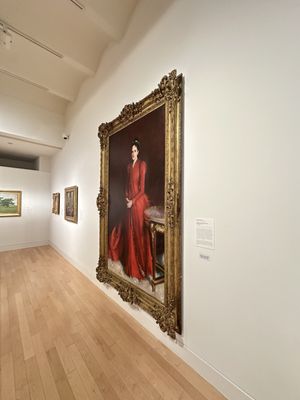
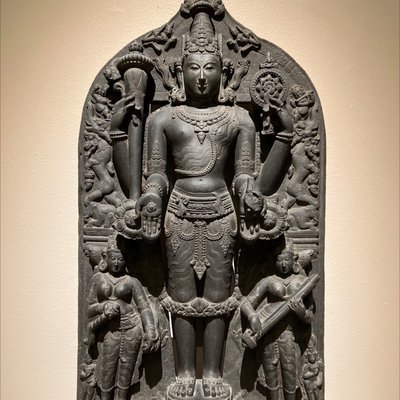
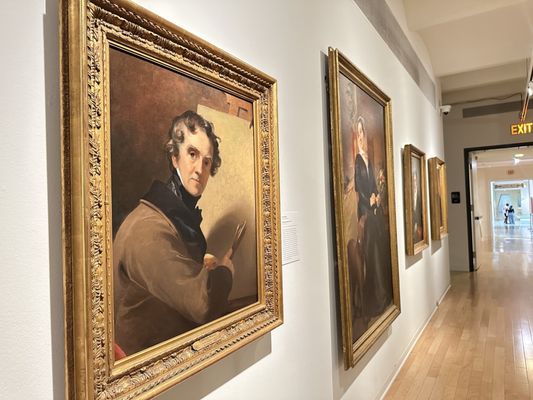
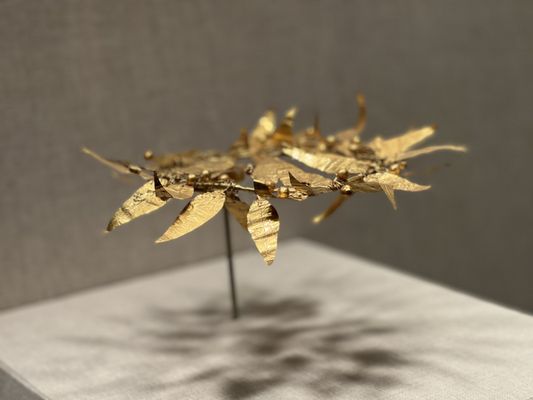
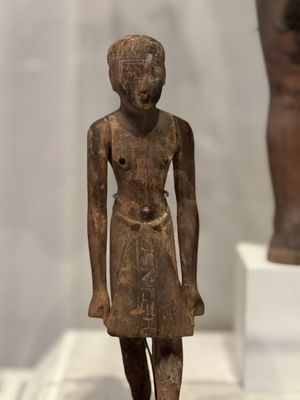
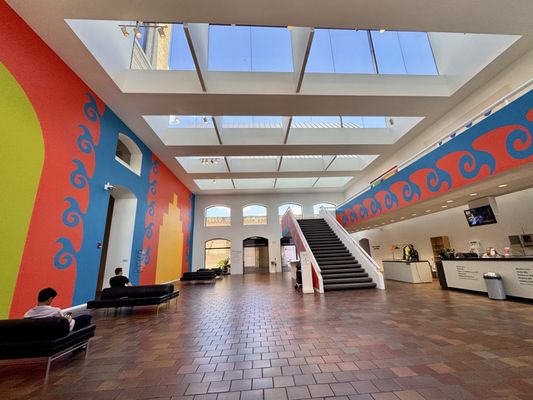
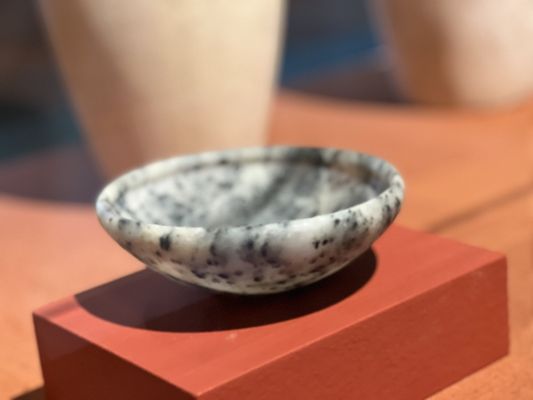
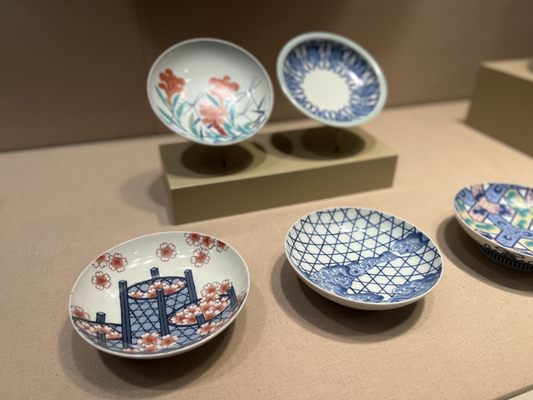
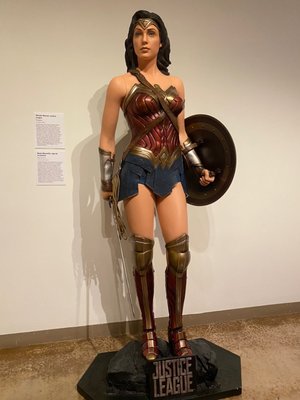
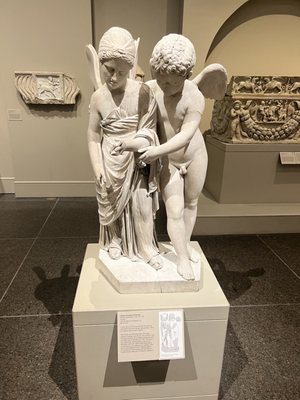
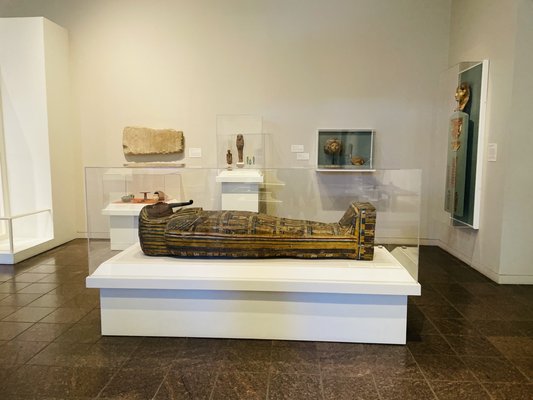
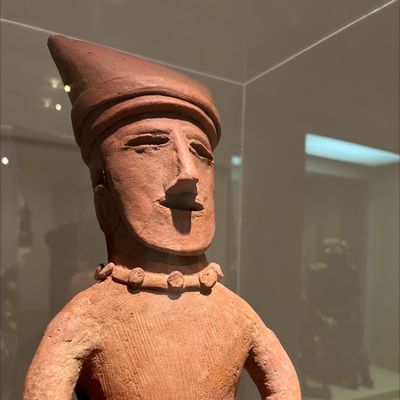
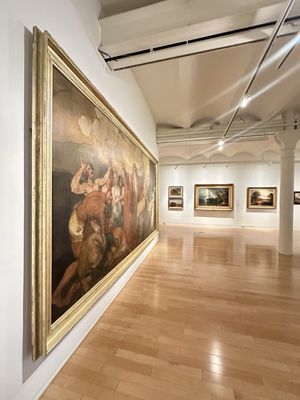
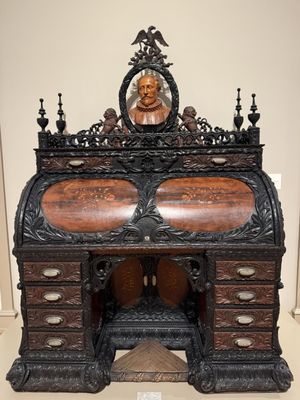
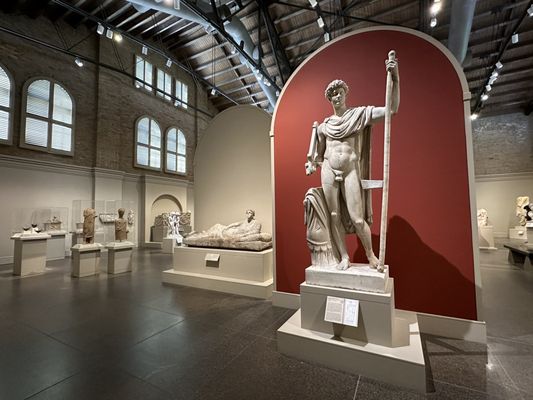
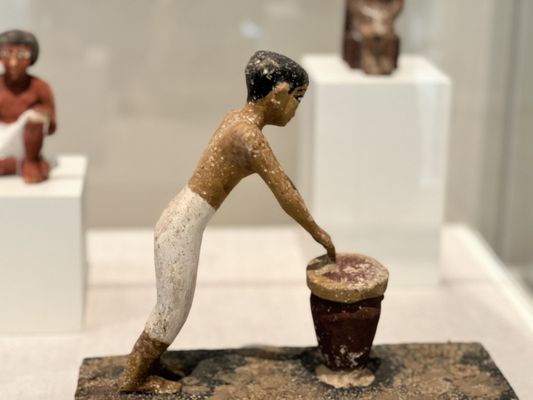
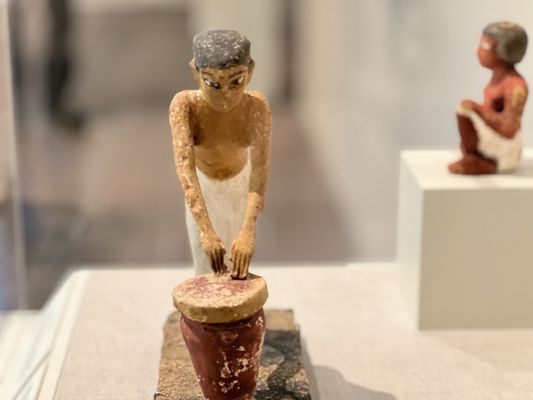
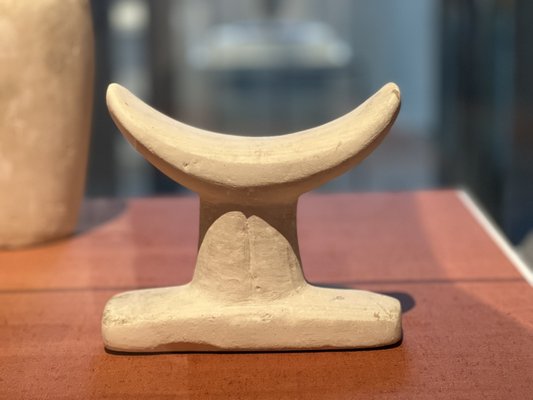
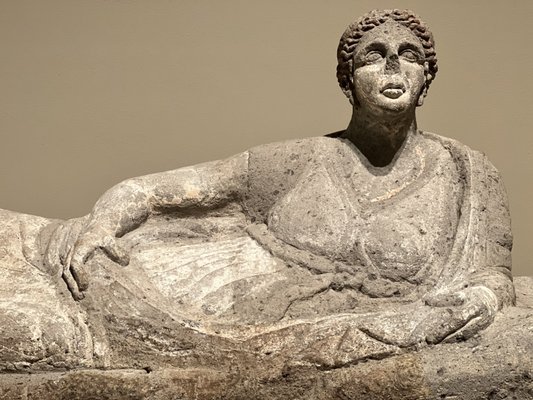
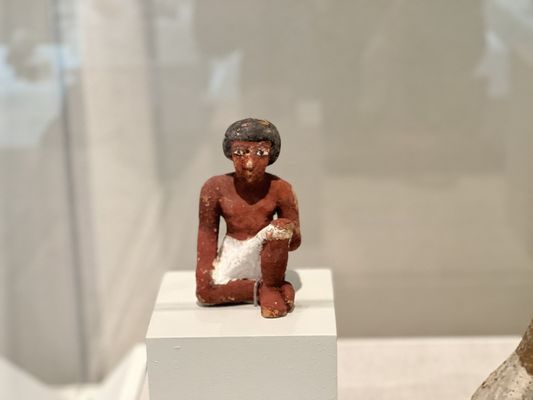
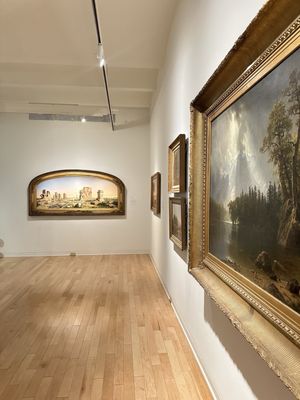
Aside from these two major exhibits, guests of the museum will find North African/West Asian (Egyptian), Asian, European, and South Pacific Oceanic paintings and artifacts as well as local TX handicrafts. There is a gift shop and conference room located on the first floor of this museum. No flash photography or food or drink are allowed in the exhibit areas. Additionally, Tre Trattoria is the restaurant located at the San Antonio Museum of Art (Yelp link below), so if you don't want to walk 10 minutes to the Pearl, you can also eat here.
https://www.yelp.com/biz/tre-trattoria-san-antonio?rr=1
Get out there, San Antoninas, and expand your horizons!