Shanghai Mansion Bangkok
Hotel · Talat Noi ·
Antique Chinoiserie rooms, jazz bar, Chinese restaurant, spa











Information
479, 481 Yaowarat Rd, Samphanthawong, Bangkok 10100, Thailand Get directions
Antique Chinoiserie rooms, jazz bar, Chinese restaurant, spa
479, 481 Yaowarat Rd, Samphanthawong, Bangkok 10100, Thailand Get directions
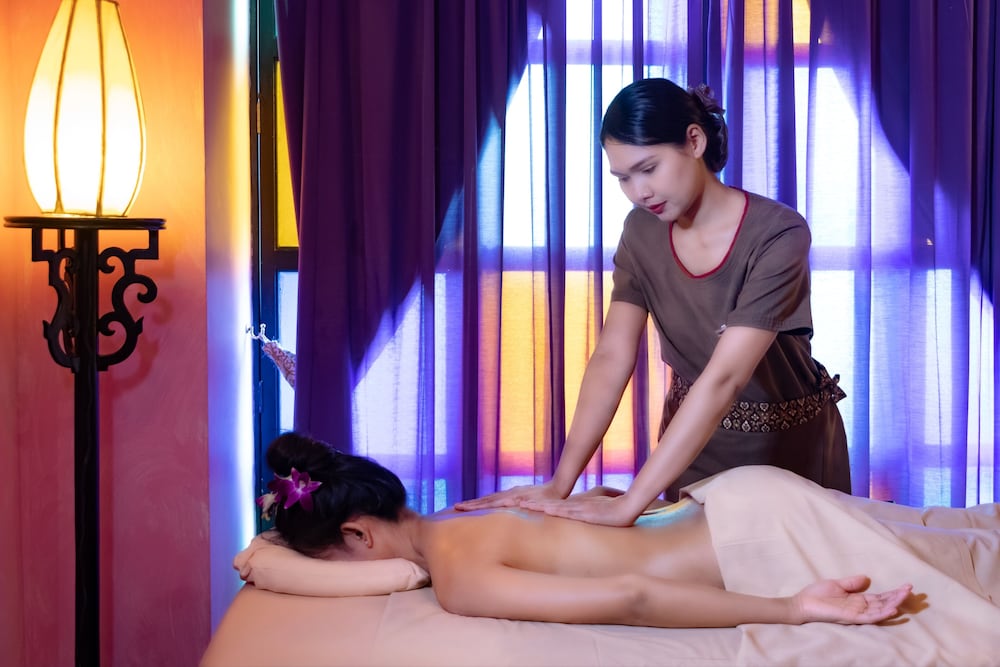
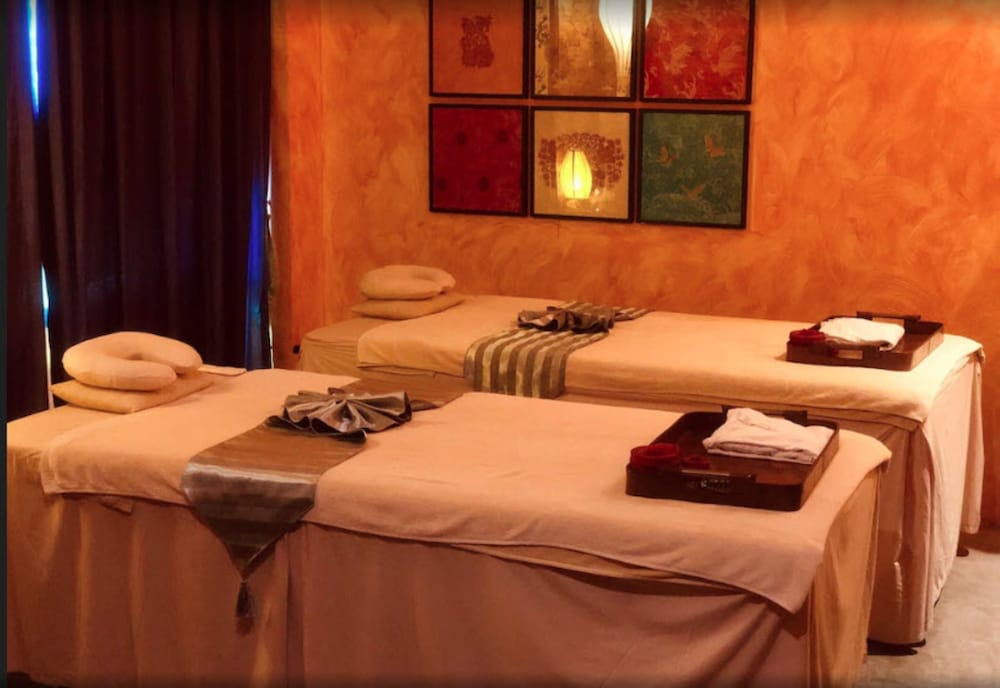
"In the heart of Yaowarat Road, I found the hotel’s design attentive to its 1892 history: velvet curtains, opaque stained glass, paper lanterns, and colorful chandeliers create a dreamy, bygone mystique. Live jazz plays daily at the Shanghai Terrace, Red Rose Restaurant serves upscale modern Chinese dishes meant to share, breakfast includes a buffet with à la carte dim sum in The Cotton Club, and the spa offers treatments like acupuncture, reflexology, Chinese herbal steams, tea therapies, and rice-oil treatments." - Jenny Adams

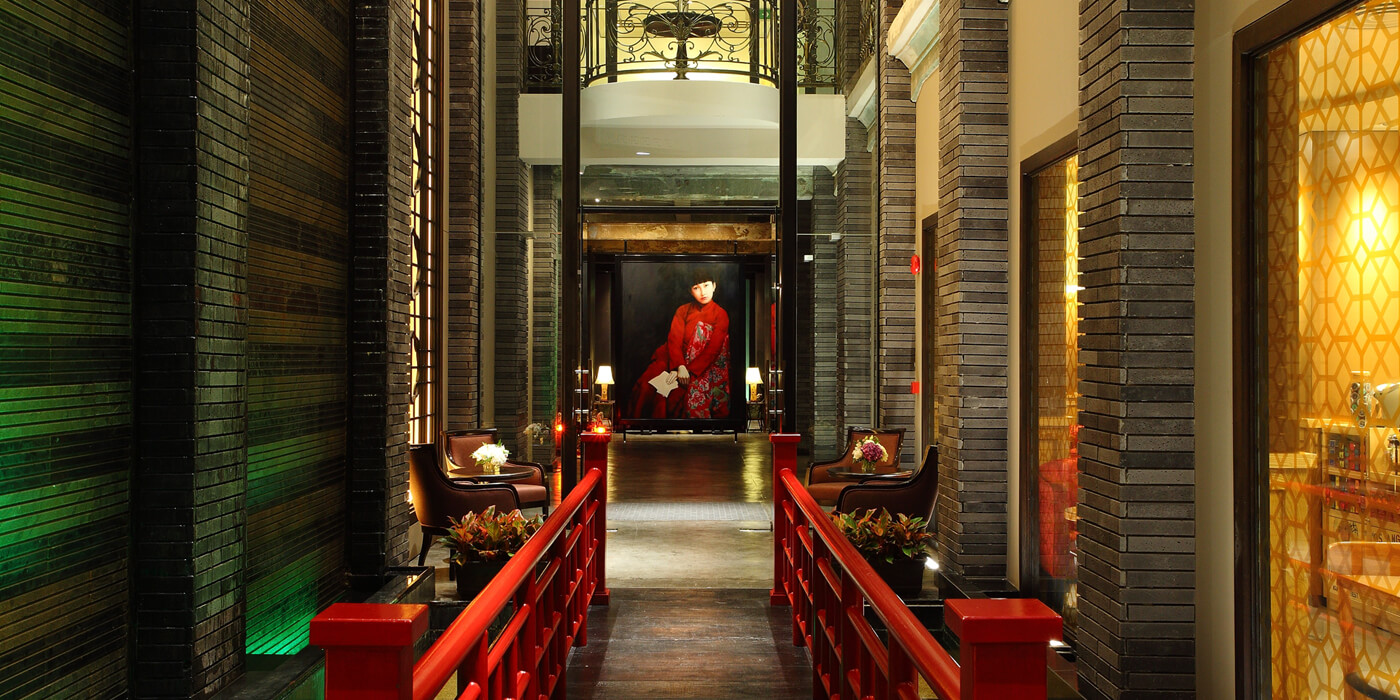
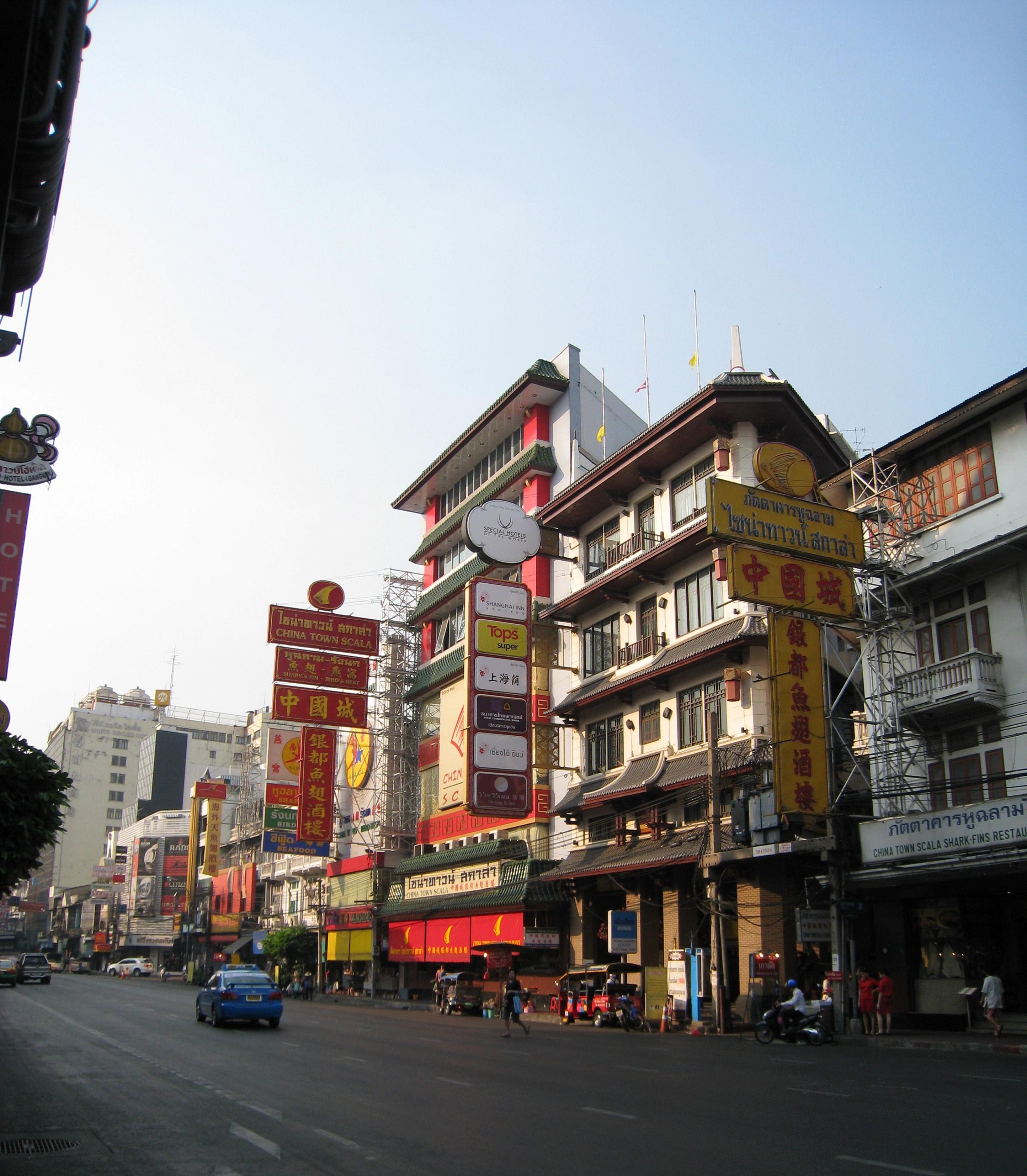
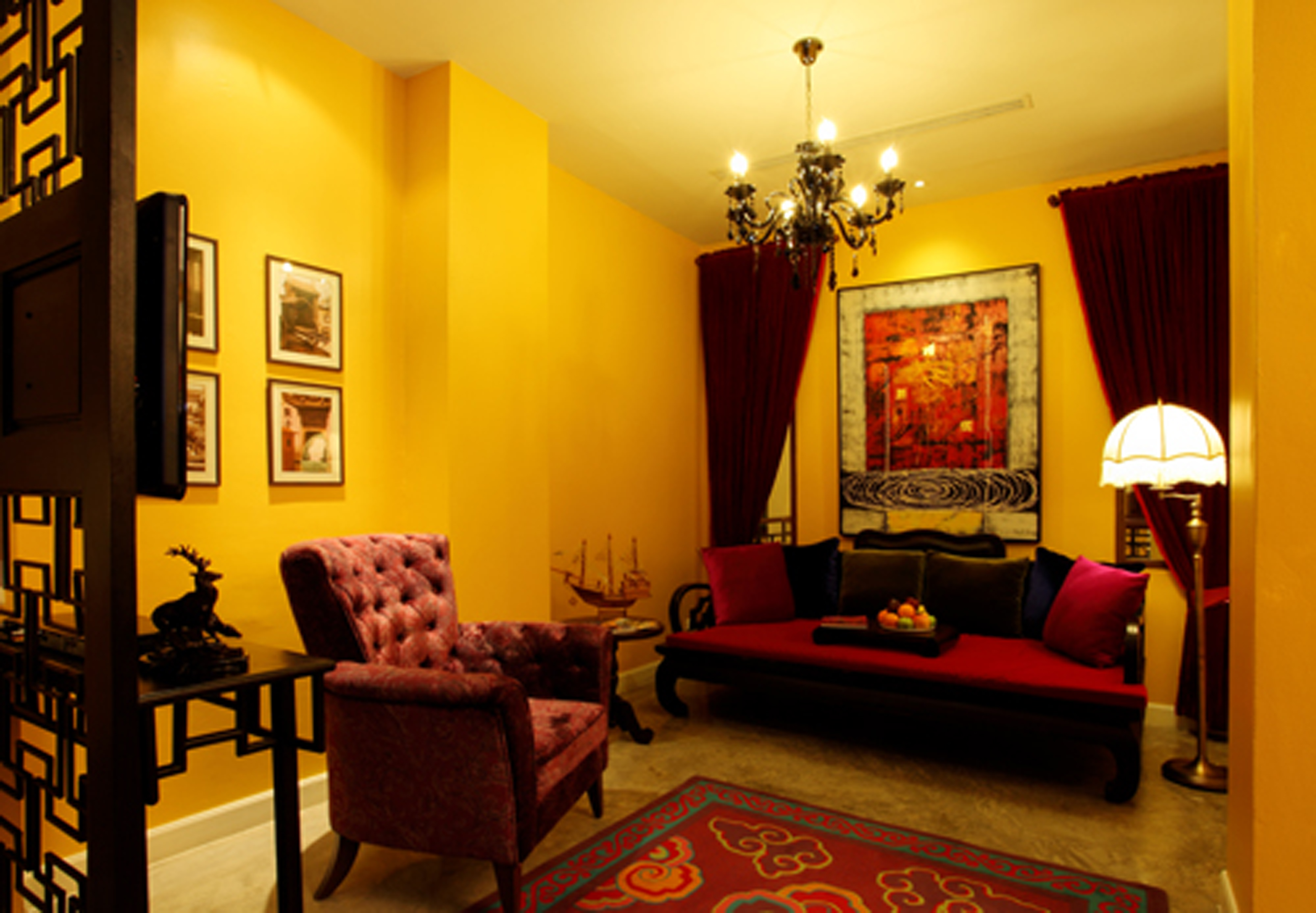
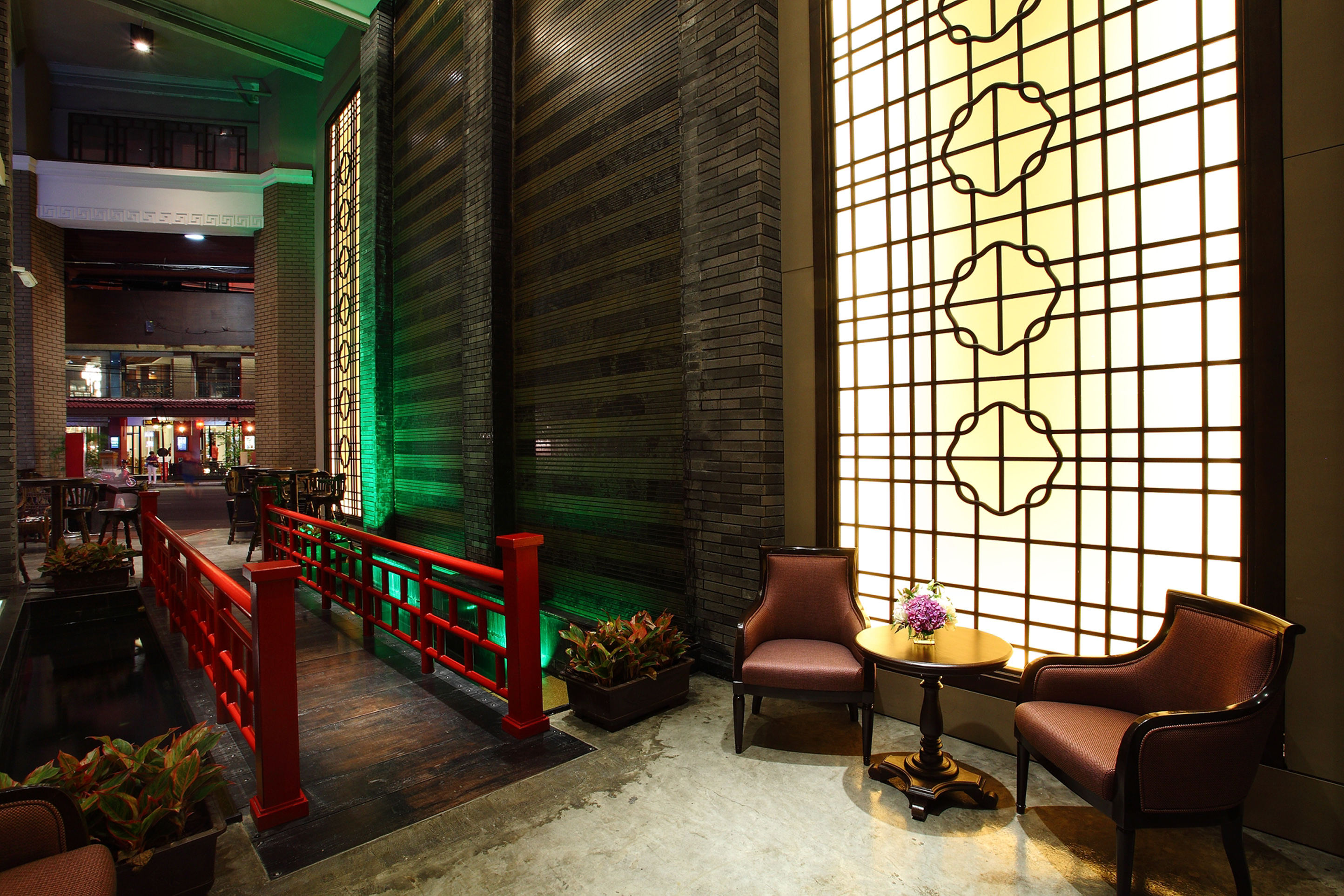
"Why book? Travel back to Shanghai in the 1930s, to the glitz and glamour, the mystery and romance, via one historic property set amidst the neon and hustle of Bangkok’s Chinatown. Set the scene Chinatown’s main artery—Yaowarat Road—is a sight to behold. Four-story-high neon signs splash color across the hoods of the cars, idling in the forever-at-a-standstill traffic. Gold and gem shops are a diamond-a-dozen here, as are some of the city’s best delicacies. Yaowarat Road is the street-food capital of Bangkok. As the lights wink on at dusk, hawkers light fires under massive woks, selling everything from oyster omelets to sweet pandan-and-coconut fried confections. The Shanghai Mansion is right in the middle of the busiest section of Yaowarat, making it a prime choice for those who love big-city action, nightlife, and street food. From trendy, Thai couples enjoying a staycation in their city to gruff novelists looking for character inspiration, businessmen on a 24-hour layover, and adventurous honeymooners, you’ll meet a whole cast of characters staying here. The backstory The building has more history than an encyclopedia. It was a trading house in 1892, when Thailand was still called Siam. In 1908, it received the first of many opulent makeovers, debuting as the first Chinese opera house in Bangkok; aristocrats and royalty were often in attendance. The building’s third life kept it a playground for the well-heeled when it became the stock exchange and a textile trading center in the mid 20th century. For a few decades, the building was a popular, beautiful department store, but it fell into disrepair by the late ‘90s. In 2005, it was saved by the Burasari Group. The designers have paid close attention to that lavish history, interspersing Art Deco lighting and Imperial antique furnishings. Moments of homage endear on arrival. One must cross a red wooden bridge over a koi pond to reach reception. Another, larger water garden is set in a sky-high atrium in the hotel’s main corridor, with floating Lilly Pads beneath Chinese lanterns. The rooms Imagine an opium den for vacationing high society. Thick, velvet curtains hang in front of opaque stained glass. The little light there is comes courtesy of paper lanterns and colorful chandeliers. Brocade fainting couches, noir wallpapers, and black lacquer, carved four-post beds with traditional Chinese silk bolsters create rooms that eschew the outside world for one of dreamy, bygone mystique. Food and drink Make a point to spend a late afternoon on-site when you stay here. The Shanghai Terrace is the hotel’s famous street-side lounge. Open to the crazy foot traffic of Yaowarat Road, sofas and deep armchairs provide cozy perches for real life drama, all set to live Jazz acts that perform daily here. Upstairs, the Red Rose Restaurant serves upscale, modern Chinese dishes, built to share. It’s a tough call to pass up the fragrant, delicious, much cheaper street bites out on Yaowarat Road, but if you are in search of an elegant date night on your travels, a reservation couldn’t hurt. Breakfast is buffet style with the option of a la carte dim sum, served in The Cotton Club—a long, high-ceiling room with Chinese oil paintings, busy fabrics and silk throw pillows. The best seats for breakfast are the two arm chairs in front of a window overlooking the street. It’s a fun vantage to dine right alongside the massive neon signage hanging off the building. The spa In a city famous for affordable spa treatments, you’ll pay more here. Yet, treatments still cost about half what you’d expect in a hotel spa in Europe or America. Acupuncture points and reflexology, Chinese herbal steams, tea therapies, and rice oils all make an appearance on the menu of options. The neighborhood/area It could be said people either find Chinatown to be charming or alarming. It’s always rush hour on the main road of Yaowarat, and crossing the street can mean weaving in and out of cabs and bike taxis, tuk-tuks and ambling grannies. Beyond the manic main road, the laneways offer no more breathing room, especially on busy weekends. Yet, they are a bargain-hunter’s daydream. Bowls of faux jade trinkets, aisles of blinking Christmas lights, woks and tongs and chopsticks, tea leaves and ancient remedies, stuffed animals and plastic dolls, knock-off sneakers and bolts of silk fabric—if Asia sells it, you can find it in the markets of Chinatown. If immersing yourself in the thick of Bangkok’s mega-city, urban excitement is appealing, you may never want to leave this zone. The service In the place of warm, casual hospitality you might find in a Thai-run hotel, the staff here is a little more buttoned up. The concierge will have ample ideas for ways to spend your day, but you are one of many who pass this desk each day. The service, it should be said, is lovely, but it will possibly appeal more to a traveler hoping to feel the staff’s presence only by returning to an empty room freshly cleaned, with notes of turn-down service. For families The Family Rooms offer secondary, twin beds, as well as small dining tables. The hotel will visually entertain youngest family members, from the colorful lanterns and festive bridges over the water features to the neon of this vibrant, busy neighborhood." - Jenny Adams
"Relax and rejuvenate at Shanghai Mansion, Chinatown’s best known and award-winning boutique hotel. Already a short walk from the MRT Wat Mangkorn underground metro station. Getting to and from Shanghai Mansion, and connecting to Bangkok’s top shopping market and nightlife districts, is ever so easy! As soon as you cross the red bridge into Shanghai Mansion, you enter dynamic Shanghai 1930’s temperament blending heritage with modern living. From the Chinese fusion culinary delights of Red Rose Restaurant with live jazz-music opening right out onto Yaowarat, to an oasis of tranquility resplendent throughout the hotel. The Shanghai Mansion Bangkok building along with its adjacent structures on both sides has a meaningful historical story spanning over 130 years. All the rooms are elegantly furnished without windows, embellished with opaque tinted glasses to maintain its enchanting ancient appearance and atmosphere, and beautifully crafted with a passion for the arts, highlighting Shanghai Manion's romantic, opulent, and seductive 1930s. Chinatown, with all its hidden mystique and exotic wonders, beckons you to explore it. Step off the main street and try some traditional Chinese coffee at the century-old coffee shops, a favorite stop for many locals. Feel free to delve into the numerous gold shops including the city’s oldest gold shop dating back to the 1880’s! Yaowarat is known for its bustling nights where tantalizing food from simple finger bites to exclusive Peking Duck awaits your culinary discovery.After the stalls slowly disappear from the main street, sneak over to Soi Nana, Bangkok’s hippest nightlife area with fabulous bars to finish the night in grand style, or take it slow and enjoy one of our award-winning Spa Burasari Treatments." - My Boutique Hotel (en)
"Shanghai Mansion Bangkok is superbly sited for those who wish to stay in the heart of Bangkok's jubilantly chaotic Chinatown, and who appreciate quirky interior design. Rising above a restaurant and coffee shop (don't be put off by the mall-like exterior), you reach the second-floor lobby by lift. Architect Julian Coombs has sought to reflect the colour and character of Shanghai Mansion’s namesake; think decorative Chinese lanterns, plush red silk cushions and antique birdcages. The lobby lounge, in opulent ‘30s Shanghai style, is a great place to bring your book or magazine. Or gaze down from the library’s internal balconies through the colourful hanging lantern-decked atrium onto which the stained-glass-windowed rooms look. But the Shanghai Mansion is really all about its rooms - great fun in either chinoiserie chic or pre-war Colonial, with cushion-bedecked four-poster beds and lantern-dominated bathrooms. This is the perfect place for the budget-conscious who want to be in the heart of the action. Highs Located in one of our favourite areas of Bangkok - bags of character, dripping in history and the cities best street food and restaurants on your doorstep Contemporary chinoiserie or pre-war Shanghai-style rooms will provoke a gasp upon entering and are romantically intimate During our last visit we were delighted with the dim sum afternoon tea, served by older Chinese ladies who took great pleasure in telling us about each tea on offer A cool, quiet haven with little or no traffic noise - impressive considering the intensity of Chinatown’s streets Lows Superior Rooms (Mei Hua) are smaller than the other rooms and lack natural daylight - we'd opt for one of the Deluxe Rooms (Ying Hua) instead Thin doors in Superior Rooms (Mei Hua) mean that, audio-wise, nothing is left to the imagination; common areas are also noisy so ask for a room away from the lobby lounge Check-in can be rather disorganised and staff speak limited English; we did get very big smiles though The hotel’s restaurant, Red Rose, though good, can’t be beaten by the street food in Chinatown" - Nicolas Buchele
"I enjoyed the eccentric vibe here — dragons, red chandeliers, woven tapestries, and a fish-filled pool in the atrium stand out — plus the jazz bar on the main floor is fun (though drinks are pricier), and you get complimentary dim sum high tea and a 20-minute spa massage." - Matthew Kepnes


