St Andrew's Church
Anglican church · Ongar ·
Oldest wooden church in the world, oak timbers over 1000 years old



Information
Church Ln, Ongar CM5 9LD, United Kingdom Get directions
Oldest wooden church in the world, oak timbers over 1000 years old
Church Ln, Ongar CM5 9LD, United Kingdom Get directions
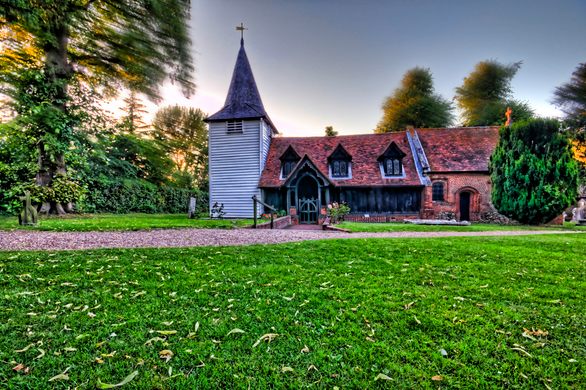
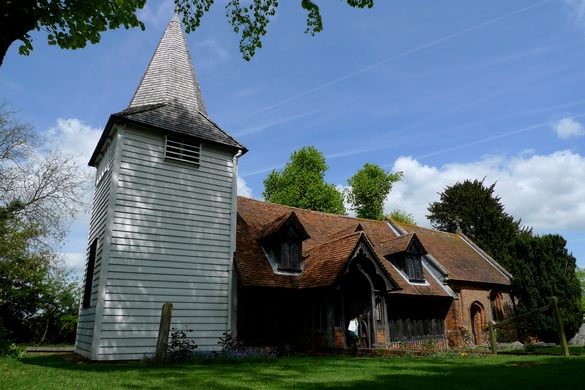
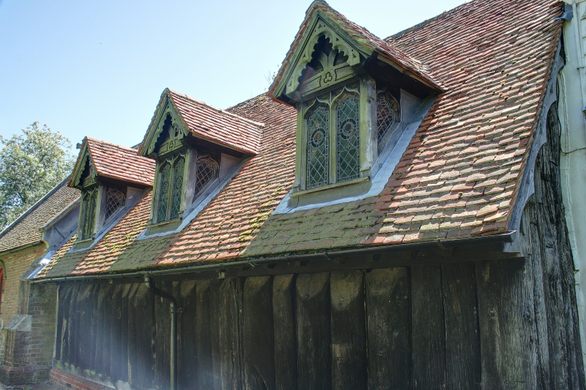
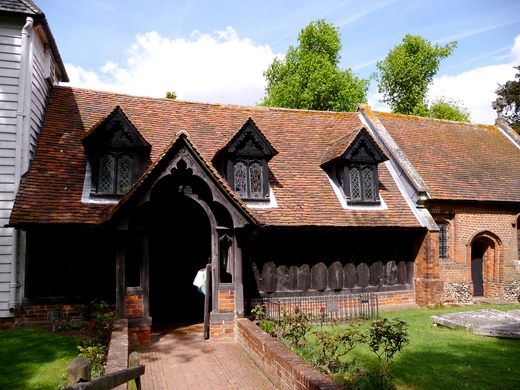
"The little chapel in England’s Greensted-juxta-Ongar village looks like three buildings that have been conjoined across the years, but the central portion is not only the oldest wooden building in Europe, but the oldest wooden church in entire world. Originally built sometime around the 9th century during a push to convert the area’s Saxon population to Christianity, the first building on the spot was likely a variety of stave church. Miraculously though, the building has managed to survive down the centuries, albeit not completely intact. Given the number of architectural influences now extant on the site, including Saxon, Tudor, and Victorian building styles, it is clear that the ancient church has been constantly updated and repaired, but always has maintained as much of its original body as possible. As it stands today, one end of the church is a distinctly modern, American gothic-style tower, while the other end is a Victorian brick affair. In between is where the oldest parts of the church remain with a stylized Nordic porch design. This is where much of the original wood planks that have survived for centuries can be seen. The interior is a bit more uniform, having been stabilized and redesigned to more modern standards. The Greenstad Church still operates as a church although its goals lean more towards preaching than to the conversions it was founded for so many centuries ago." - ATLAS_OBSCURA
Havana M.
Snejana F.
Steve P
Ania N.
Perhaps
David D.
Alex S.
DIAMOND CARPET C.
