Mohammed Abdul R.
Google
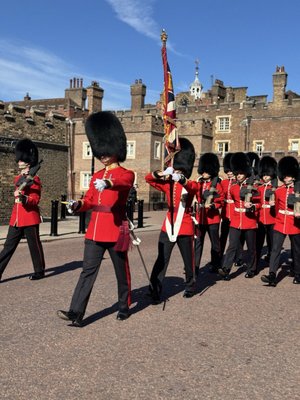
St. James's Palace is one of the most historic and significant royal palaces in the United Kingdom. Located in the City of Westminster, just north of St. James's Park, it holds a unique place in British history.
Here are the key details about the palace:
1. Historical Background
* Origins: The palace was built by King Henry VIII between 1531 and 1536. It was constructed on the site of a former leper hospital dedicated to Saint James the Less.
* Royal Residence: For over 300 years, it was a residence for Kings and Queens of England. It became the principal royal residence after the Palace of Whitehall was destroyed by fire in 1698.
* Shift to Buckingham Palace: In 1837, Queen Victoria moved the official royal residence to Buckingham Palace. However, St. James's Palace remains the "Senior Palace" of the Sovereign.
2. The "Court of St. James's"
Even though the King lives at Buckingham Palace or Windsor Castle, St. James's Palace is still the official seat of the Royal Court.
* Foreign ambassadors are technically accredited to "The Court of St. James's."
* The Accession Council meets here. This is where a new monarch is formally proclaimed King or Queen following the death of the previous monarch (as seen recently with King Charles III).
3. Architecture and Design
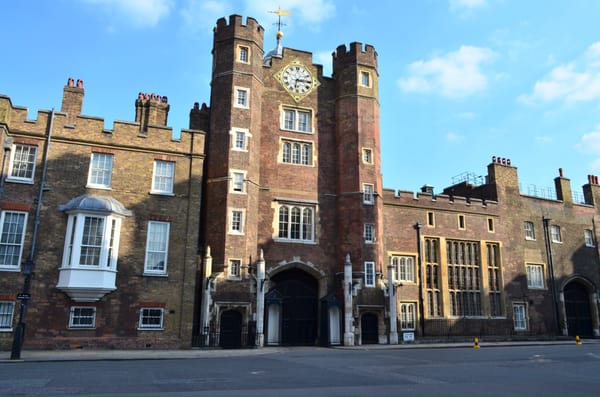
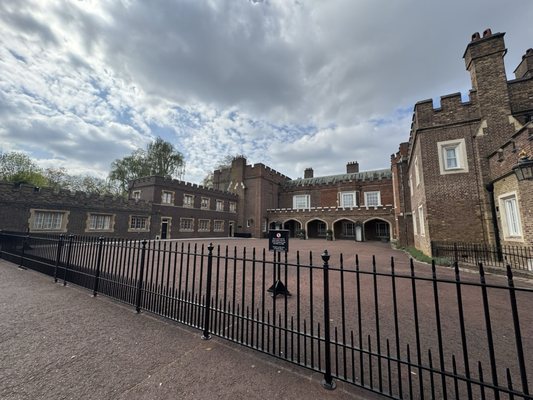
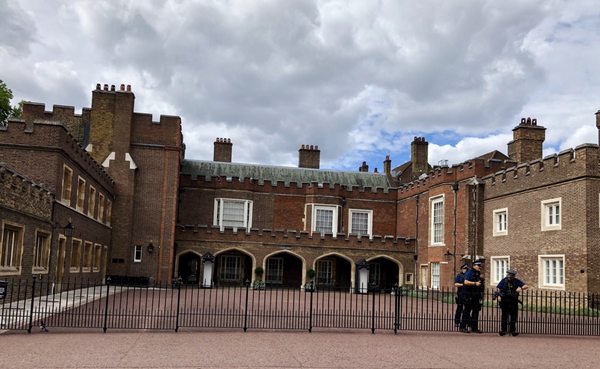
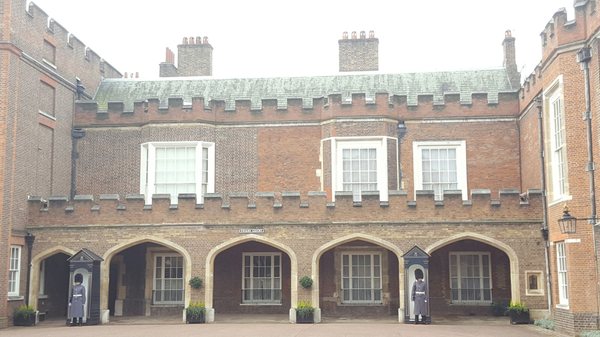
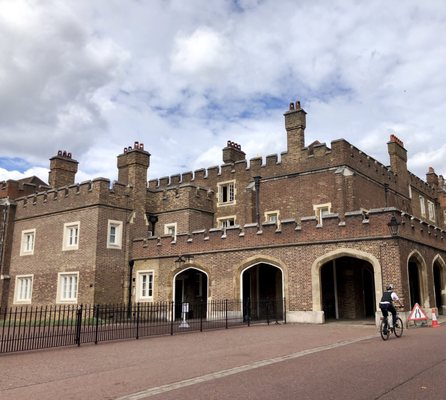
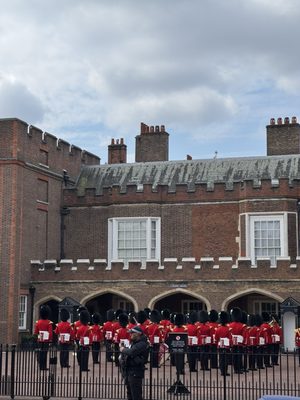
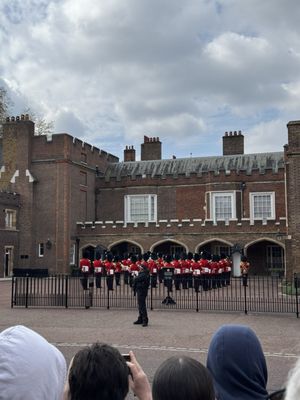
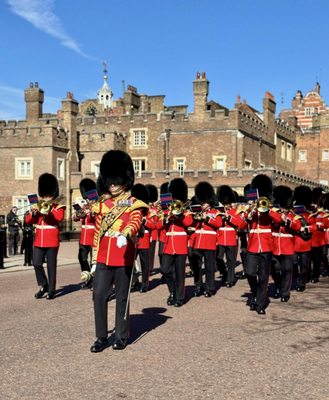
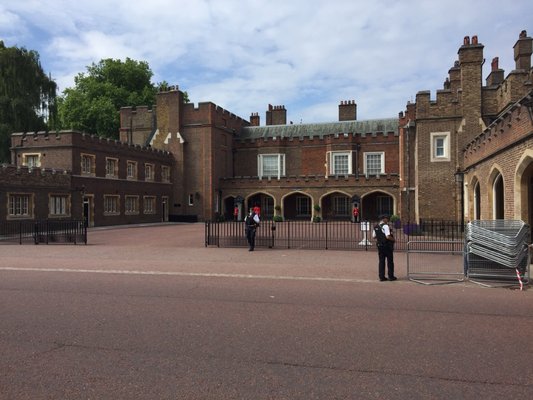
* Tudor Style: The palace is a classic example of Tudor architecture. It is built mostly of red brick with darker brick diapering (patterns).
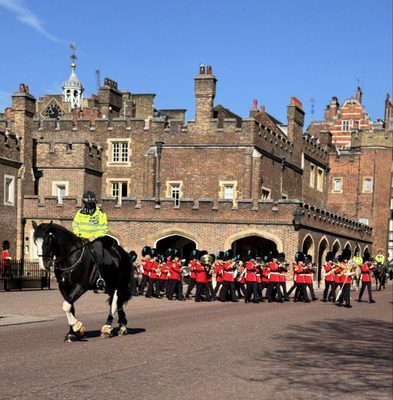
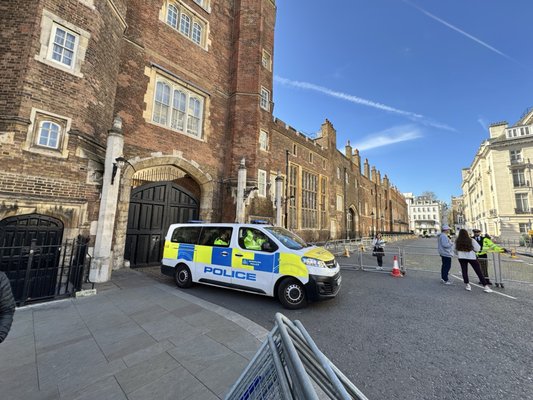
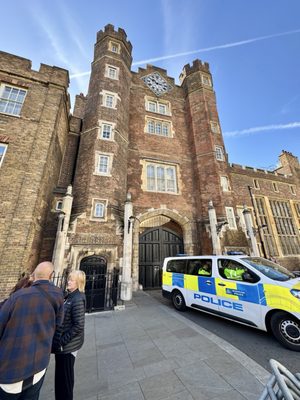
* The Gatehouse: The most famous feature is the surviving Tudor Gatehouse at the north end, which still bears the monogram of Henry VIII.
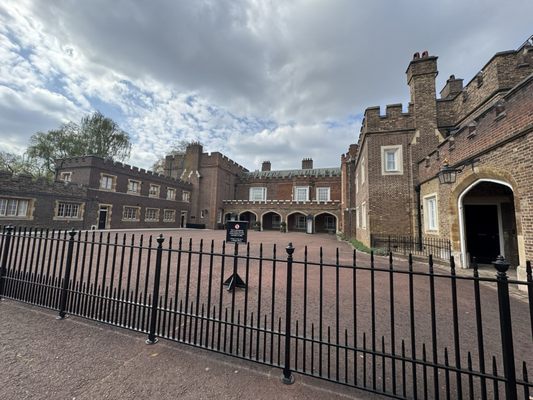
* Complex Layout: The palace consists of several courts, including Colour Court, Friary Court, and Ambassadors' Court.
4. The Chapel Royal
Located within the palace grounds, the Chapel Royal is historically very significant:
* Royal Weddings: It has hosted many royal weddings, including the marriage of Queen Victoria to Prince Albert in 1840 and King George V to Queen Mary.
* Christenings: It is a frequent location for royal christenings (baptisms), including that of Prince George (son of Prince William) in 2013.
* Coffin Resting Place: The coffin of Princess Diana rested in the Chapel Royal before her funeral in 1997 so her family could pay their respects privately.
5. Modern Usage
Today, the palace is a working royal palace.
* Offices: It houses the London residences and offices of several members of the Royal Family (such as Princess Anne and Princess Alexandra).
* State Apartments: The State Apartments are used for entertaining during incoming State Visits and for other ceremonial and formal occasions.
* Charity Receptions: The palace is frequently used to host receptions for charities associated with members of the Royal Family.
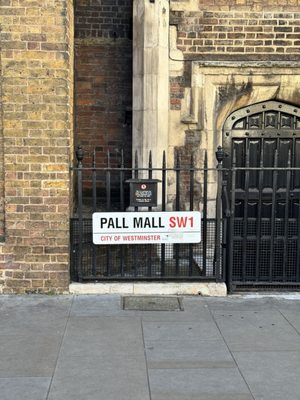
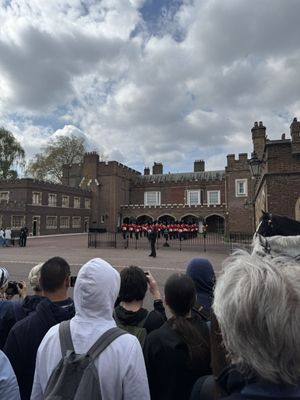
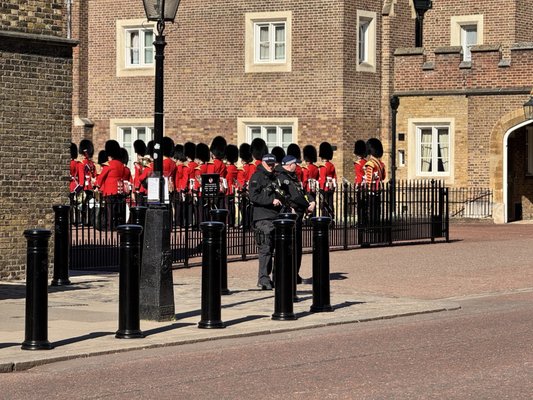
> Important Visitor Note: Unlike Buckingham Palace or Windsor Castle, St. James's Palace is not open to the public. Tourists can only view the exterior and the gatehouse from the street (Pall Mall) or attend specific religious services in the Chapel Royal during the winter.
>
Quick Facts
| Feature | Details |
|---|---|
| Location | Pall Mall, Westminster, London |
| Built | 1531–1536 |
| Builder | King Henry VIII |
| Status | The Senior Palace of the Sovereign |
| Nearest Tube | Green Park or St. James's Park |