St. Simons Island Lighthouse Museum
Museum · St. Simons ·
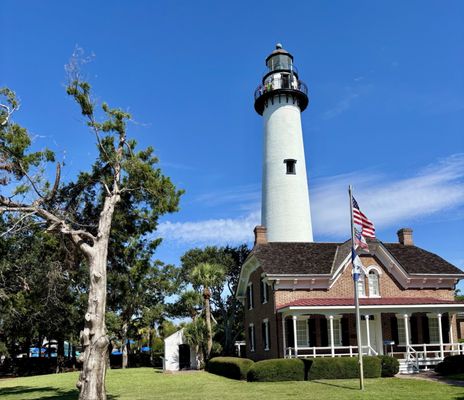
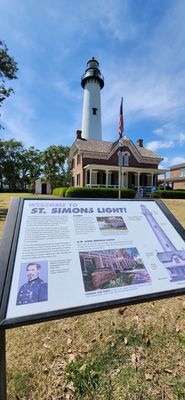
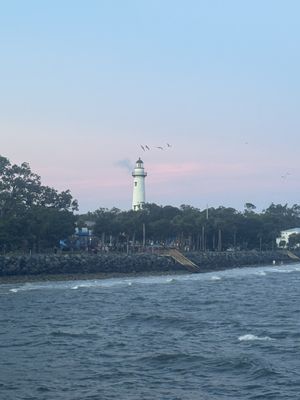
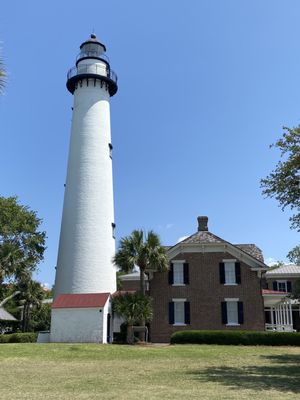
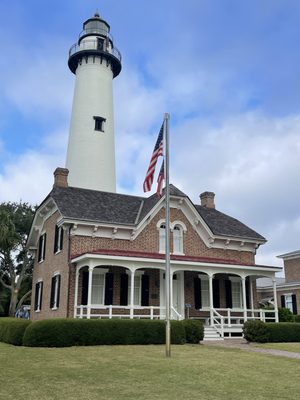
Historic lighthouse climb with museum exhibits and coastal views


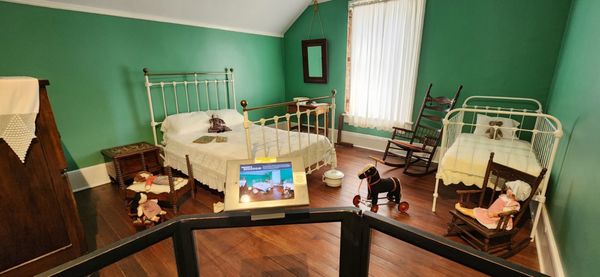


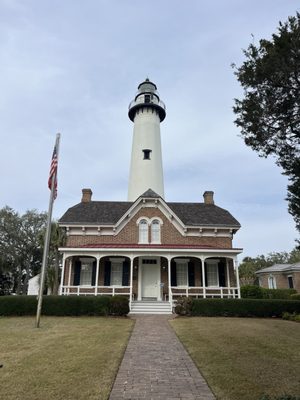
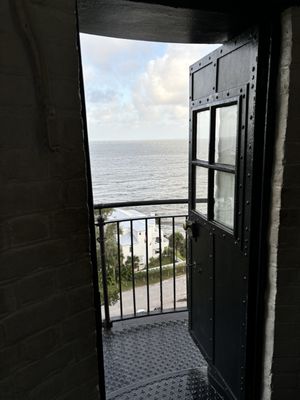
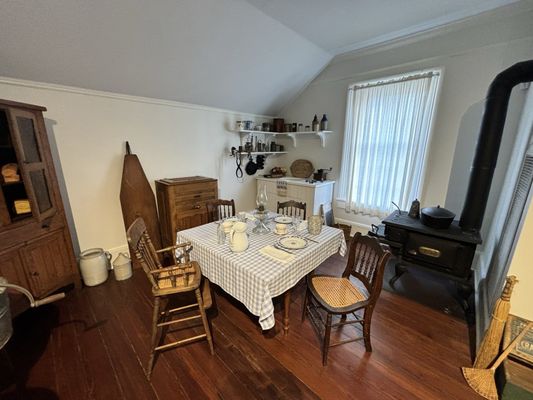
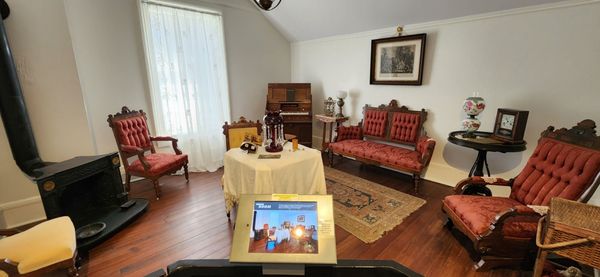

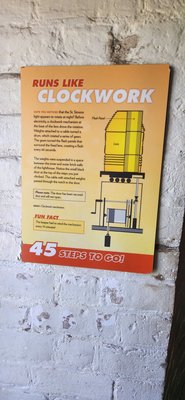
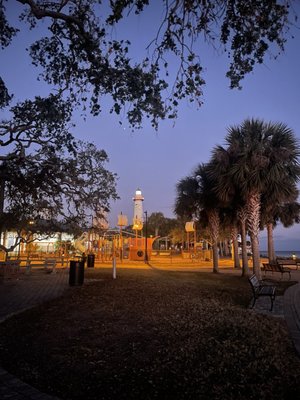


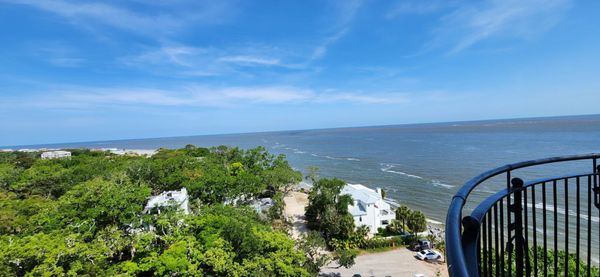





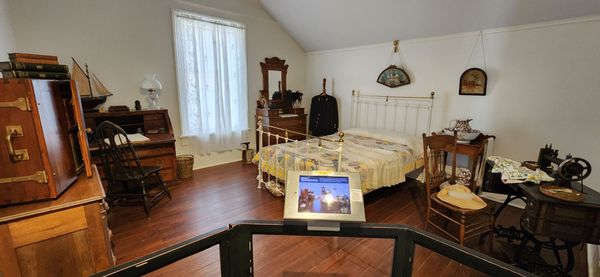


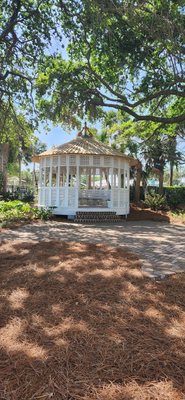
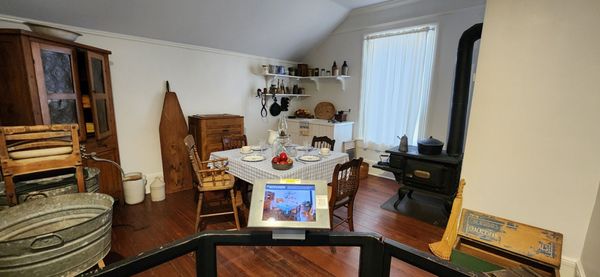
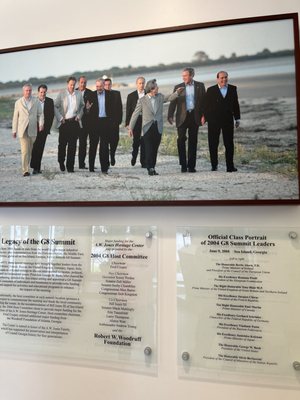
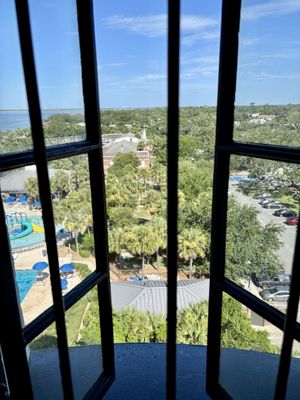


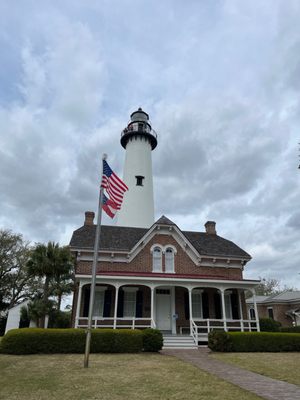

Historic lighthouse climb with museum exhibits and coastal views
"An iconic landmark by Pier Village, this lighthouse pairs well with a visit to the museum to learn more about the history of the Golden Isles." - Lydia Mansel Lydia Mansel Lydia Mansel is a writer with more than eight years of experience editing and writing for both brands and online publications—with a particular focus on travel, fashion, and lifestyle. She’s also the founder of the travel site justpacked.com. Travel + Leisure Editorial Guidelines
dUdErOck
Valentina H.
Nancylee S.
Ruben L.
Angela H (HICANC A.
Jenny P
Elizabeth G.
Jennifer Nuetzi J.

Kelly W.

Ruben L.

Christopher C.

Lindsay S.

John B.

Susan H.

Janice K.

Julie F.

Crystal O.

Bruce K.
Jessica B.

Natalie B.

Marcus R.

Sharon M.

Jess S.

Ashley S.

Robin M.

Lisa S.

Michael B.

Preeti M.
Melissa S.

John O.

Dan R.

Ron P.

Megan F.

Roark R.

Clay B.

Dave O.

Jess A.

Daniel B.

Drew P.

Dawn C.

Jessica S.

Lisa C.

Robert U.

Deena S.
Donald J.

Mitch L.

Denise G.

Melissa C.
E S.
R M.

Guerry N.

Richard R.
Thyaga S.
S M.

Dafina T.

Richard F.

Amy L.
