Takenaka Carpentry Tools Museum
Technology museum · Kobe-shi ·

Takenaka Carpentry Tools Museum

Technology museum · Kobe-shi ·

Museum of Japanese carpentry tools with interactive exhibits

Takenaka Carpentry Tools Museum by null
Takenaka Carpentry Tools Museum by 663highland (CC BY 2.5)
Takenaka Carpentry Tools Museum by 663highland ( CC BY 2.5)
Takenaka Carpentry Tools Museum by 663highland (CC BY 2.5)
Takenaka Carpentry Tools Museum by null

Information

7 Chome-5-1 Kumochicho, Chuo Ward, Kobe, Hyogo 651-0056, Japan Get directions

Information

Static Map

7 Chome-5-1 Kumochicho, Chuo Ward, Kobe, Hyogo 651-0056, Japan Get directions

+81 78 242 0216
dougukan.jp
@takenakacarpentrytoolsmuseum
𝕏
@tctm_pr

Features

wifi

Last updated

Nov 29, 2025

Powered By

You might also like

Terms of Use • Privacy Policy • Cookie Policy
 © 2025 Postcard Technologies, Inc.
@atlasobscura
4,908 Postcards · 2,018 Cities

A Collection of 13 Eclectic Collections

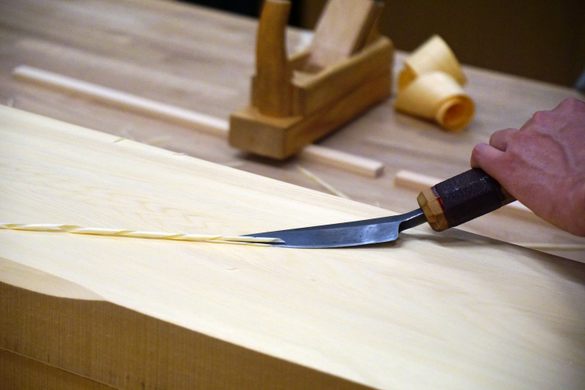
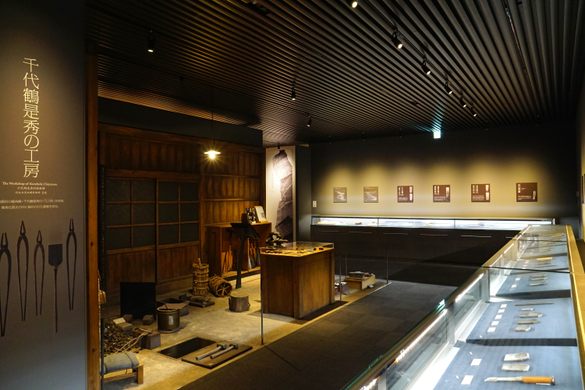
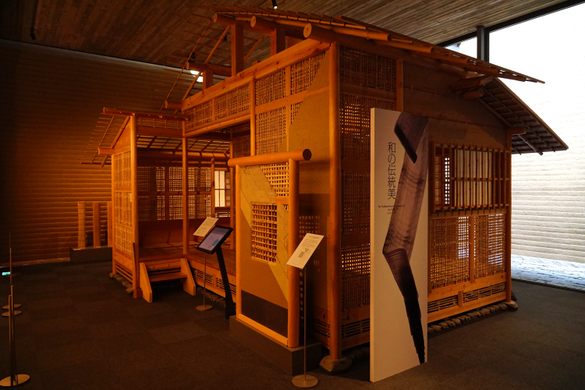
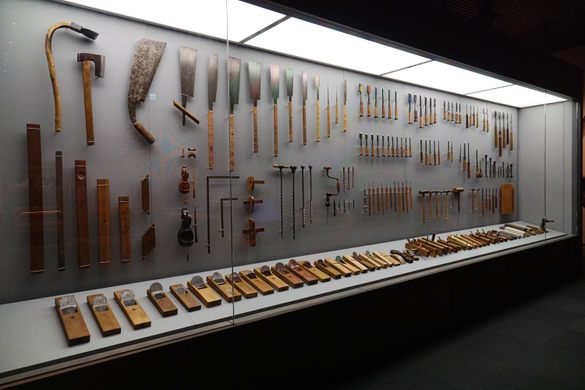
"Japan is known for its unique architectural style, exemplified through buildings like The Great Buddha Hall and the Ise Grand Shrine, but while the finished structures get the fame, precious few stop to think about the specialized tools that allow for these masterpieces to be built. To remedy this, a museum was created in 1984 to showcase the full history of Japanese carpentry tools, from ancient times to the present day. Located on the outskirts of Kobe, the Takenaka Carpentry Tools Museum displays over 20,000 instruments in an elegant modern facility believed to be the only carpentry tools museum in the country. The collection is divided into seven sections, covering the history of the tools, an exploration into their aesthetic beauty, and an inside look into Japanese carpentry. Throughout the museum are sizable displays of chisels, planes, and thousands of other instruments. While the tools are largely from Japan, the museum also contains an extensive European and Chinese collection to contrast with the Japanese renditions. One of the museum’s most fascinating sections is “The Traditional Beauty of Japanese Wa,” which presents visitors with kumiko art, karakami paper, and a life-size model of a Japanese tea room." - ATLAS_OBSCURA

https://www.atlasobscura.com/lists/eclectic-collections
663highland (CC BY 2.5)
Takenaka Carpentry Tools Museum

Tomas F.

Google
Visiting the Takenaka Carpentry Tools Museum in Kōbe was a quietly revealing experience. From the moment we stepped through the entrance, we were struck by how the building itself was crafted: wood paneling, natural light, and a sense of reverence for material and technique. The museum is beautifully laid out across several thematic zones: from the felling of trees, through tool-making, to the assembly of temples and tea houses. In one of the most memorable exhibits, a full-scale roof turret from Tōshōdai‑ji in Nara was recreated, allowing you to trace the workmanship behind structures that have stood for centuries. We particularly loved the collection of traditional hand-tools: saws, planes, chisels, measurement devices—and the careful way they were displayed to tell a story of Japanese carpentry evolving over time. The multi-sensory environment (the scent of wood, the tactile displays) made it feel less like a cold museum and more like a workshop of living craft. On the practical side: It’s very accessible from Shin‑Kōbe Station (a short walk). There are interactive displays and digital guides in English (and other languages) to support non-Japanese speakers. The museum shop offers some charming wooden-tool-inspired souvenirs (key-chains, mini tools, tenugui etc). If I were to highlight one thing to improve, it’s that some of the explanatory text can be minimal or more technical than casual visitors might expect; having a deeper interest in carpentry or architecture will enhance the experience significantly.

Blake W.

Google
I think you really need to be into woodworking, the history of Japan, or some other hook to really get the most out of this place. Otherwise, it will be interesting but not exciting. I had a good time seeing all the tools, and it's a nice, relaxing environment. My favorite part was the interactive displays where you play around to see how the pieces fit together. I do think it would have been fun if we signed up for a class to make something there, but we didn't have time.

nyaparty412

Google
Today, we happened to be in Kobe (although we hadn't planned on it) and decided to visit the Carpentry Museum, which I had marked as a professional destination. The museum was a complete delight, with plenty of interactive elements and touchable objects. The staff was incredibly friendly and polite (they engaged in a conversation about the scents of coniferous trees, and there was an installation where you could touch the shavings of various trees). All information was provided in English. Carpentry enthusiasts will definitely appreciate this museum.

Vincent M.

Google
Wonderful museum about woodworking and carpentry whether you are an experienced woodworker or have never touched a saw in your life. Newbies can see the intricacies of building with wood and even join a workshop to build something of their own. Experienced woodworkers can learn about the history of carpentry in Japan and see how innovations from centuries ago connect with the techniques and tools they use today. There are many hands on exhibits where you can investigate how wood joints come together and examine the anatomy of wood.

Felicity 1.

Google
If you’re into carpentry, this museum is a must-visit. It’s about a 10-minute walk from Shin-Kobe Station, with beautifully arranged displays of tools and wood. The whole place has a very aesthetic and inviting atmosphere, and there’s also a relaxing space where you can sit and enjoy coffee and cake.

Julien Van W.

Google
This was a great museum for anyone who has even a passing interest in Japanese woodworking. Tons of beautiful displays, interactive exhibits, and even a "try some woodworking" room. Not only is the premise itself worth a look, but the staff and the artifacts make it a "must do" if you are in Kobe

J E

Google
Had no prior interest in woodworking but spent close to 2 hours here. For only 700 yen, you can check out the wide variety of wooden products ranging from daily essentials to buildings such as temples. Visiting this museum has made me appreciate shrines and such even more. There are English translations beside most of the work so not to worry if you do not understand Japanese. In addition, there are quite a few hands-on showcases such as one where you can disassemble and assemble the wooden joints which is my personal favourite. 100% recommended especially when it's rainy.

Li L.

Google
Going there as a person with an above average interest in woodworking, this place is a heaven. Spent almost 3 hrs here and could be even longer if not for the closing hours (but I believe I spent a lot more time than an average person, trying to soak in all the content.) Amazing architecture on top of that. Tickets can be bought on the spot.
google avatar

Marc P.

Yelp
The wife and I went here during our 2.5 week visit throughout Japan. We were extremely happy that we did. After seeing so many temples prior to coming here, this museum really allowed us to appreciate the structures even more than we already had. This is not a typical museum where one walks in and merely sees exhibits. This museum has many videos that one can watch to learn the techniques of these woodworking craftsman, as well as CAD-like imaging videos that allow one to see the layering of internal structure upon structure to create a final superstructure that is a temple itself. Additionally, there are many tools and wooden joints that one can touch, feel, and use. We spent two hours or so here, and we really gained a huge appreciation for how the temples were built. One could choose either an audio or video guide; we took the video guide with us and we really liked it. We could have easily spent more than 2 hours there if we wanted to watch in detail every video that they had. As well, they had a "hands on" room where you could work with carpenters to actually build something, but after 2 hours there it was closing time and so we didn't get a chance to do that. The museum mostly had adults in it, but with all the hands on stuff, I think older kids would probably enjoy this place as well (but not being a parent, I could be totally wrong here :) ).
google avatar

Lisa N.

Yelp
My husband and dad absolutely loved their tour of this amazing and historic museum. My father is a finish wood carpenter and my husband is definitely not BUT they both felt this was a favorite spot to visit on this trip to Japan. Cannot beat the talent and craftsmanship of Japan. Great tour guide did great on his English speaking skills. Wouldn't take young kids but adults who appreciate wood working skills will enjoy.