Peter M.
Yelp
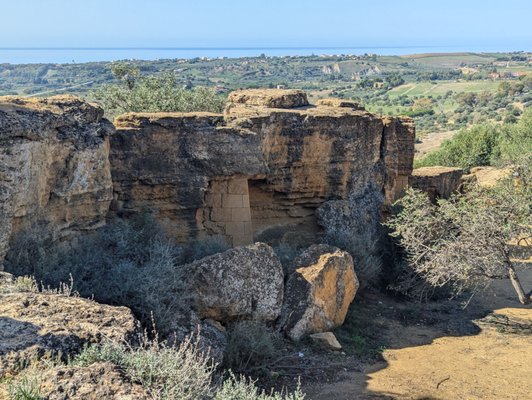
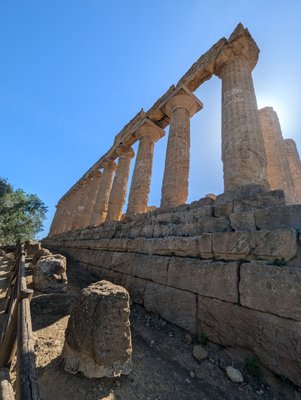
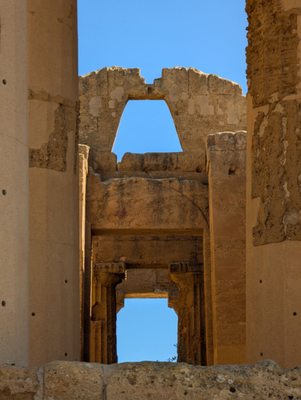
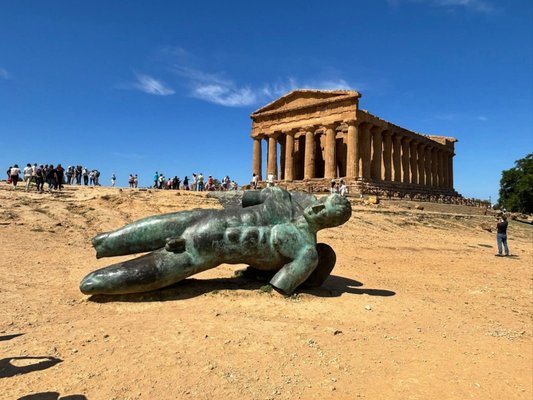
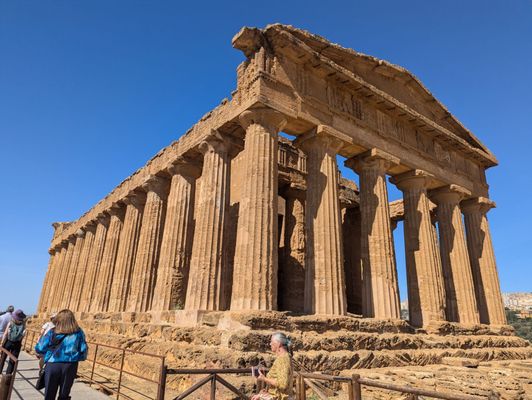
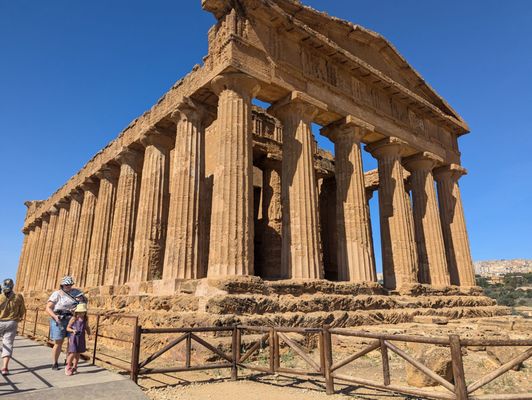
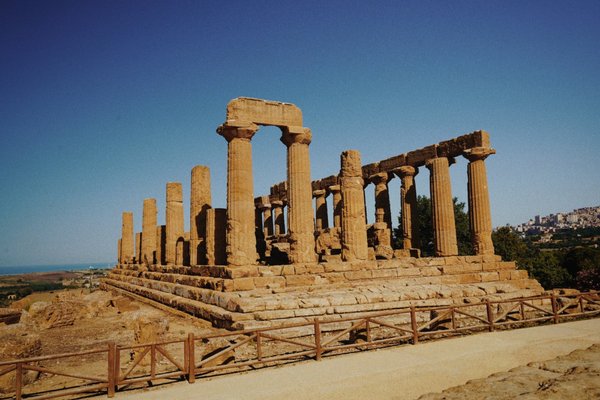
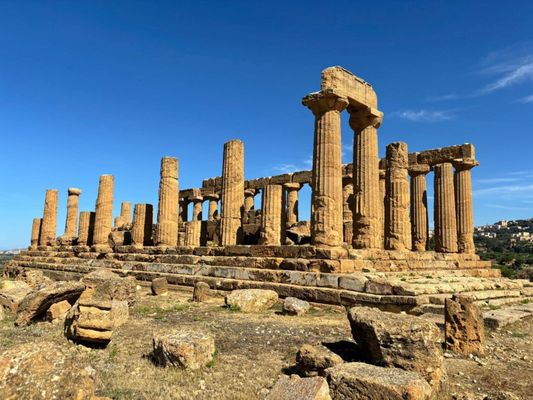
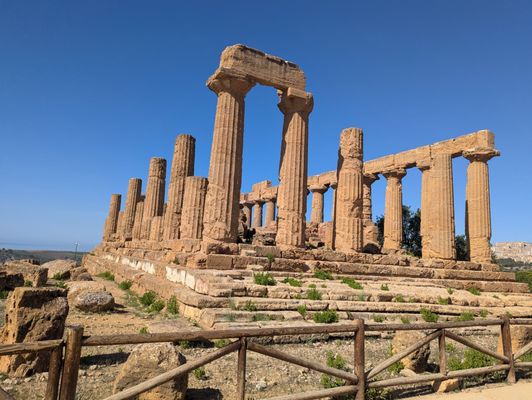
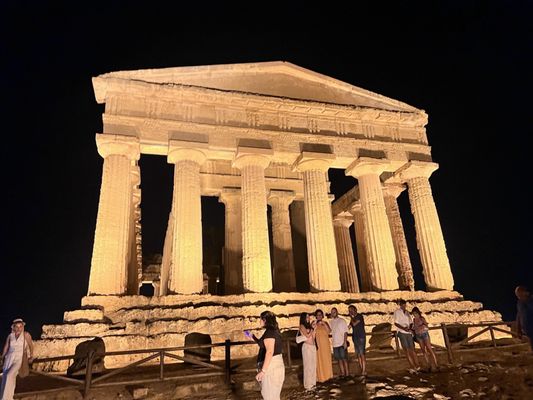
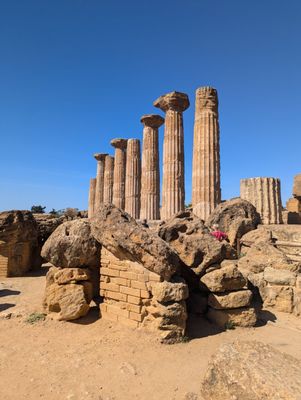
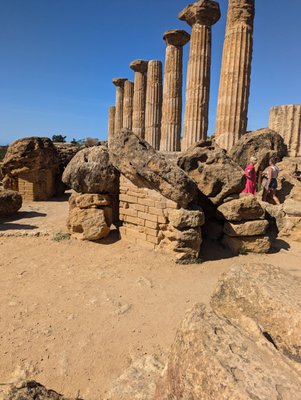
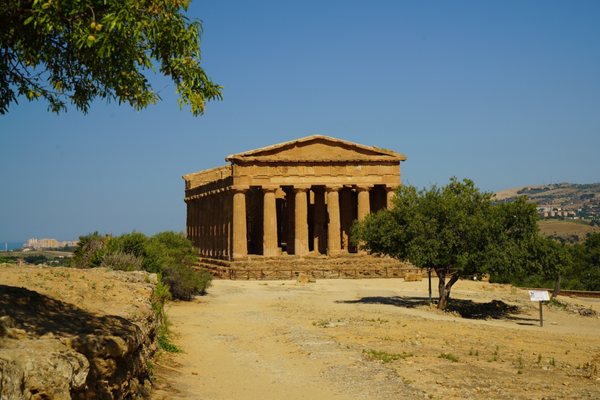
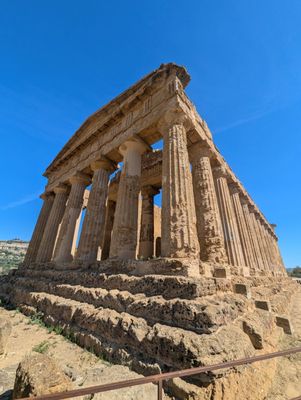
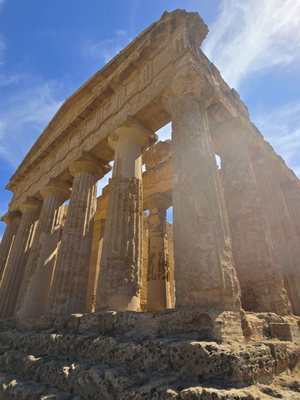
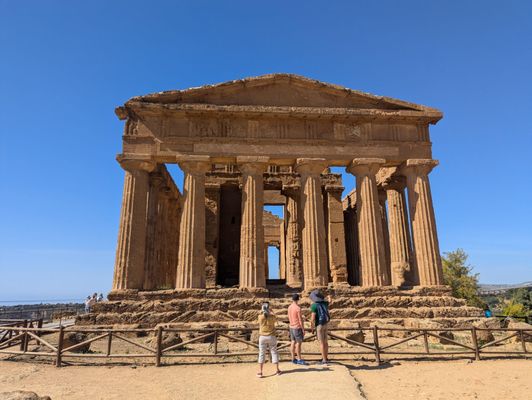
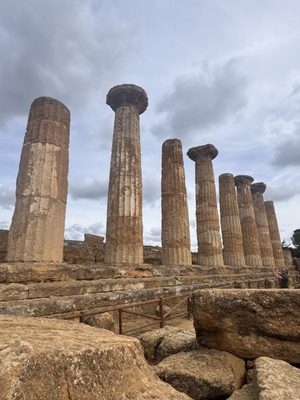
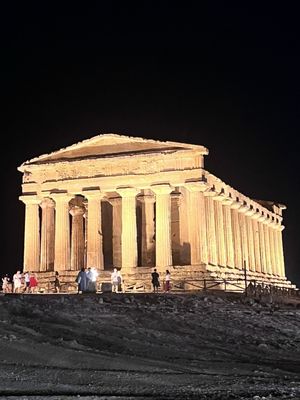
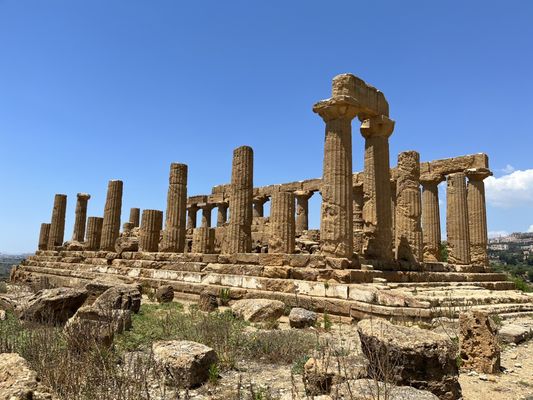
In the Valley of the Temples are the ruins of numerous temples but also necropoli, houses, streets and everything else one would expect to find in an ancient city. There is a small amphitheatre, as well as several auditoria, and a fine archeological museum. Unfortunately, most of the temples at Agrigento are in ruins, with pieces strewn about, and several appear to have never even been completed. Part of the Temple of Hera (Juno), built around 450 BC, is still intact. Its style has been compared to that of the temples at Paestum, near Salerno. The Temple of Concord (named retroactively), built around 440 BC, is in far better condition, and at night the illuminated temple is a sight to behold. A number of telamons (large segmented stone columns in the form of human figures) have been preserved.
Agrigento's importance declined under the Byzantines and Saracens, who encouraged settlement of the medieval city (present-day Agrigento) several kilometres from the Valley of the Temples. The Normans, however, recognized its importance, and it was during the Norman rule that beautiful churches were constructed in and around the city.
Ancient Agrigento's architectural character seems more Greek than Roman. What's missing are the thin bricks so typical of Roman sites like Solunto and Taormina. Despite its location virtually in the shadow of a modern city, the Valley of the Temples is surrounded by olive groves and almond orchards that render its ambience altogether natural, though a number of illegally-built houses mar the landscape.