The Angel of Independence
Memorial · Cuauhtémoc ·
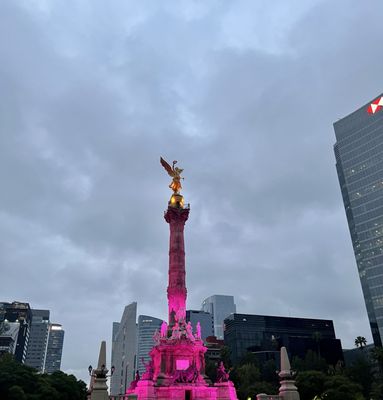
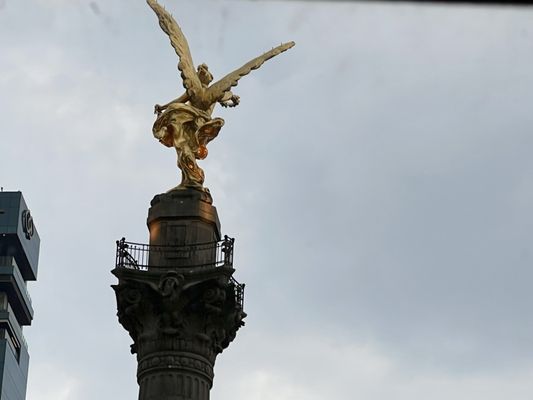
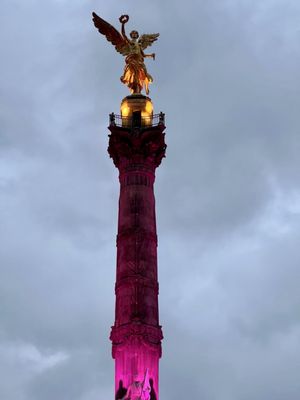
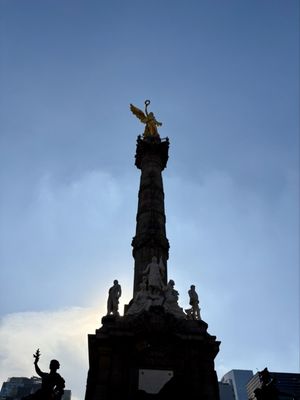
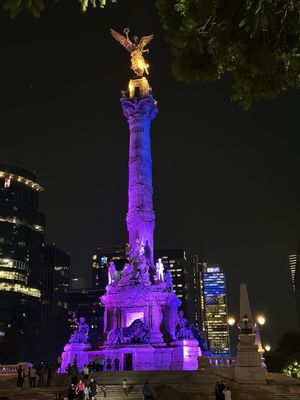
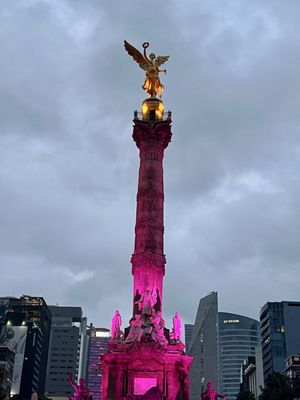
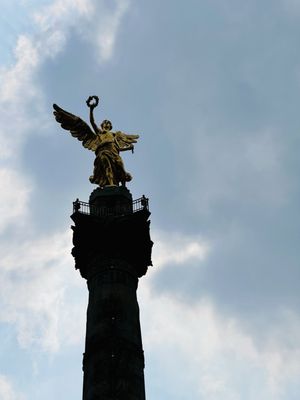
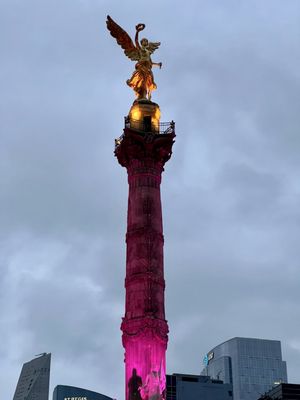
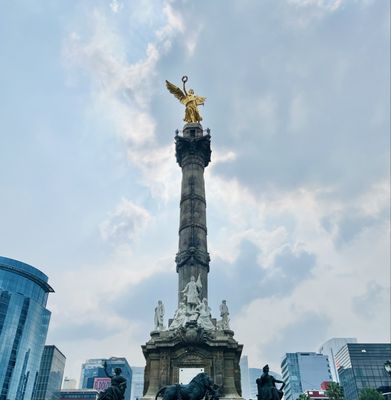
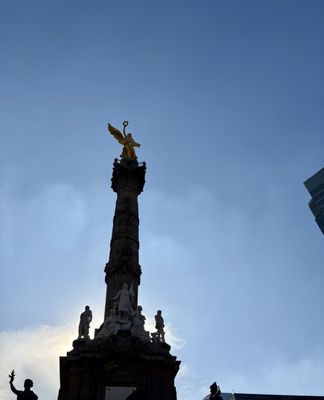
Golden winged victory atop column, symbol of national pride
















Information
Av. P.º de la Reforma 342-Piso 27, Juárez, Cuauhtémoc, 06600 Ciudad de México, CDMX, Mexico Get directions
Golden winged victory atop column, symbol of national pride
Av. P.º de la Reforma 342-Piso 27, Juárez, Cuauhtémoc, 06600 Ciudad de México, CDMX, Mexico Get directions
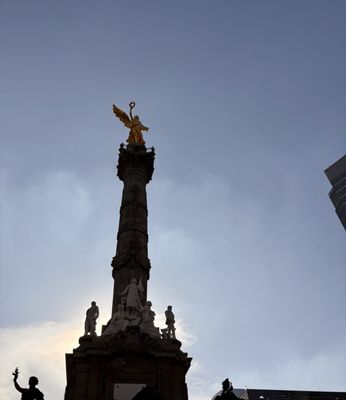
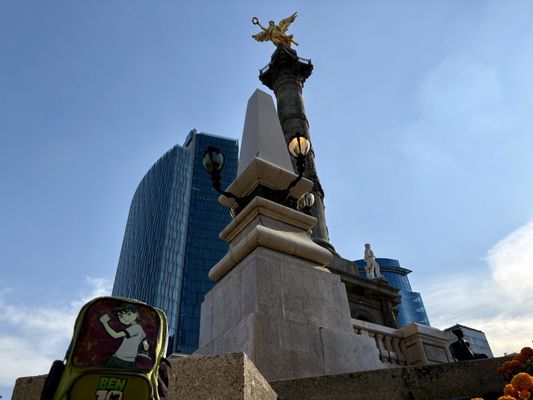
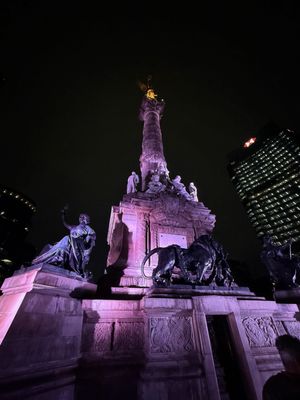
"This is one of the most representative landmarks in the city, built before the Mexican Revolution to commemorate the first century of Mexico’s Independence War. This might remind you of the Berlin Victory Column or the July Column in Paris, this is because at that time, the dictator Porfirio Díaz was in love with French culture, so he tried to rebuilt Mexico City as an American Paris. At the base of the column there are 4 sculptures representing Law, War, Justice, and Peace. On Sundays, you can climb to the top and take a look at the amazing city skyline." - Arlette Go
Ramin H.
J H
Bryan S.
viswesh M.
Fabian P.
Marty H.
Michał D.
Tahsine R.

Christa M.

Charles F.

Alex D.

Mark R.

Claudia P.

Nadine C.
John G.
M B.

Butch E.

James P.

Jay Y.

Paul L.

Amanda D.

Christian V.

Jennifer H.

Curt C.

Lena Y.

Luke T.

Andre R.

Sadique A.

Arthur M.

Maria M.
