Eoin M.
Yelp
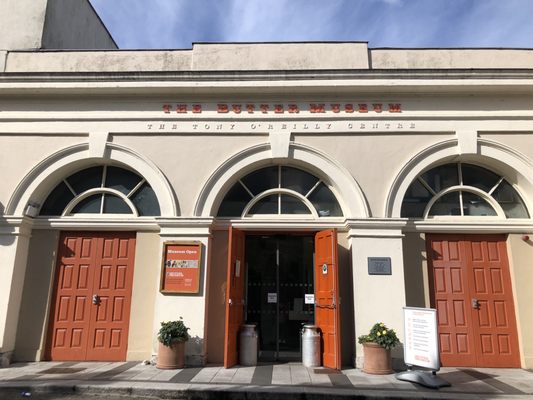
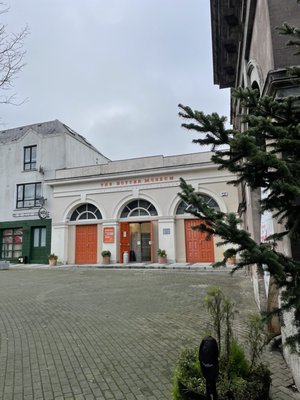
Before we were permitted to start our expedition, there was the matter of acquiring tickets, which was no mean feat -- Garth Brooks tickets were reportedly easier to acquire than this.
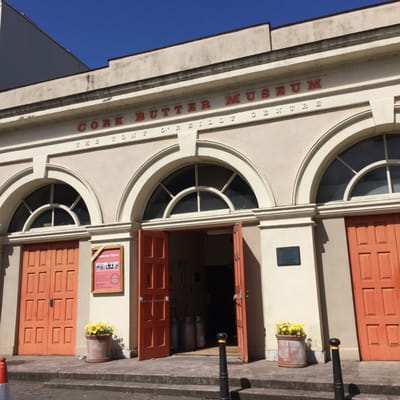
Under-age minors are free in but for the rest of the adult population the entrance will be four euro. We bit the bullet and decided to take the plunge; sure, we were in the European city of culture -- we were going to have to pay a premium for such an enriching learning experience.
The office at the entrance was absolutely miniature, and housed a single, elderly gentleman who was crammed in the corner; a blanket on his lap to keep the heat in and a novel in his hands. He looks up and re-acclimatizes himself to the sight of another human being. He then opens his mouth and in an accent as thick as butter, he begins his monologue:
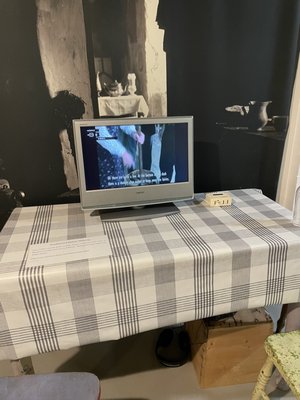
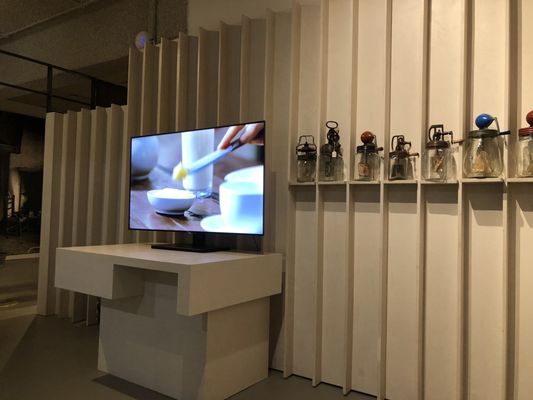
"Today, being a Sunday, the museum wouldn't normally be opened but we recently got sponsorship from Kerrygold to keep the lights on seven days out of the week. Now, that'll be four Pounds for each of you and you can spend as long as you like inside. Did I say Pounds? I meant Euro. You see, I'm still a bit fond of the old ways. Then, once you're in, there's a dee vee dee that I'll put on for you and it explains the history of butter and it's relevance to this great country. If you like to see it again, give me a holler and I'll come back and restart it. I'll have to stay outside here, in case any other customers come along today but let me know if you have any questions or queries about the butter and I can get you the answers. If there's anything I can't tell you right now, I'll go get Mary from next door, as she's a walking Encyclopedia Britannica. Now, after the dee vee dee, you can look around and see all our artifacts relating to butter and the production and distribution of butter. Then, you can go upstairs and we have a couple more rooms detailing the economics of butter and the butter marker and another room dedicated to the early Irish history of butter. Now, you can leave your umbrella with me, so you don't have to be carrying it around and sure, don't worry about me keeping it from you, sure, wasn't it a wise man who said there's no point having two umbrellas and as you can see, I have me own one and isn't it in the Cork colours, so there's no mistakin' who owns which. I love Cork nearly as much as I love butter. Now, I'll let you get on with it, just go through that door and take your seats for the dee vee dee and I'll have the show on the road in no time."
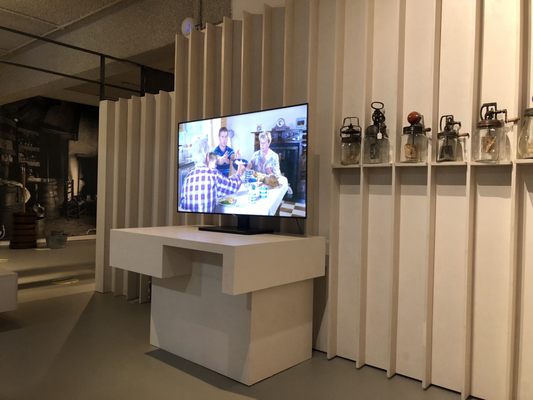
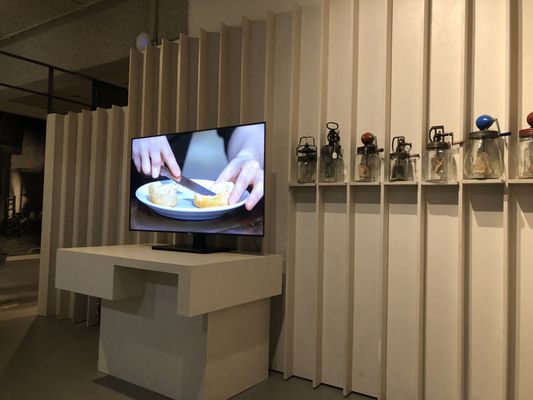
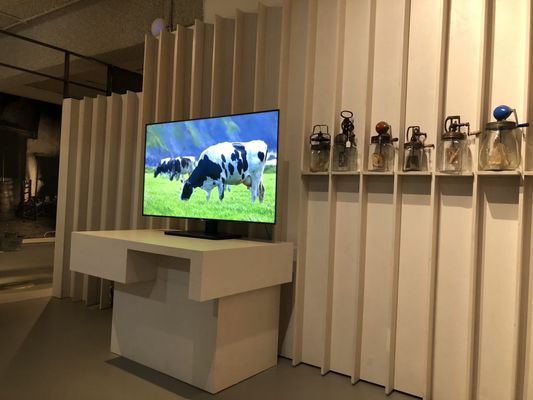
Expectations had been set at the door -- this man was certainly a national treasure but nobody could prepare themselves for the majesty of how this DVD would compare. Without any context at all, it opens with serious butter jargon -- if you don't know your firkins from your dash churn, there's basically no point to watching the first forty-five minutes of the DVD. For act II, we're into the economics of the butter manufacture and how, by reducing the number of creameries in the country we were able to significantly increase the quality of butter produced by the country, which leads us into act III, in which the DVD details how, were it not for butter, Germany would have won the second World War and how butter single-handedly was responsible for permitting Ireland to join the EEC. Now, with the stage set for modern butter manufacture, the focus shifts to marketing butter as an Irish product in the global trading floor. For some reason, there's a section where we watch cows eat grass while smooth jazz plays in the background and the first female president of the dairy board reminisces about her family farm. The DVD shows a still image of the dairy section of a supermarket shelf and the narrator mentions "the same milk is sometimes used to make other products, such as cheese." The DVD fades to black and rolls the credits.
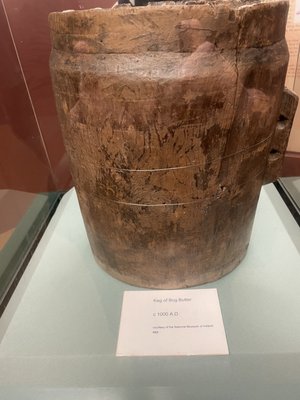
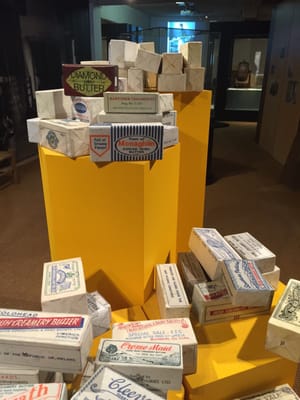
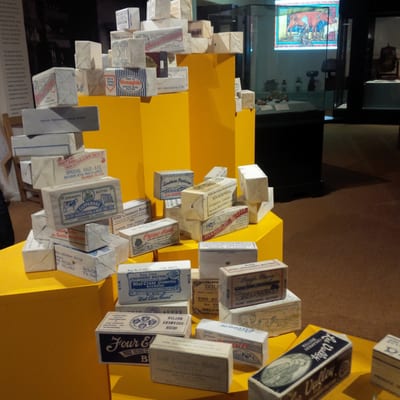
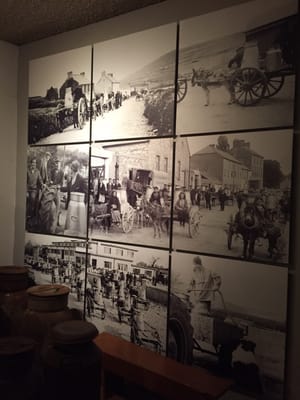
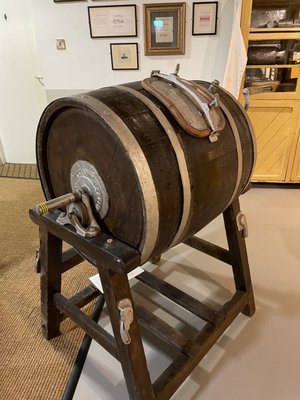
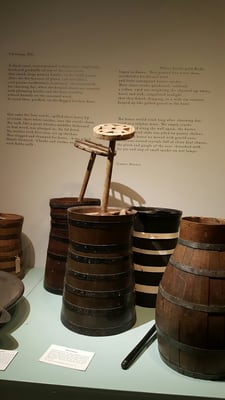
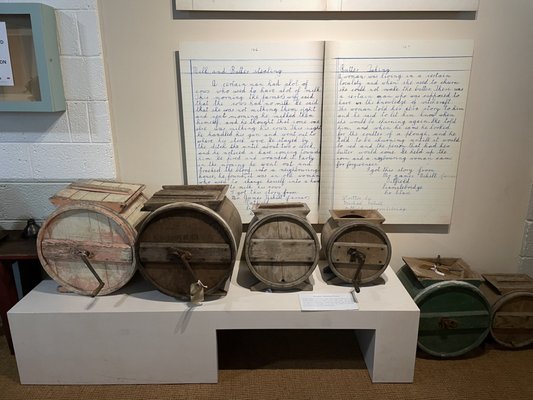
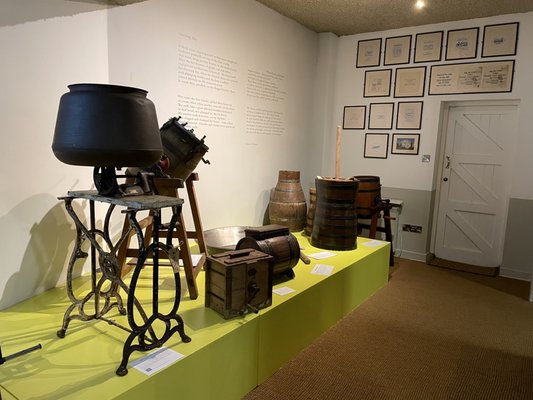
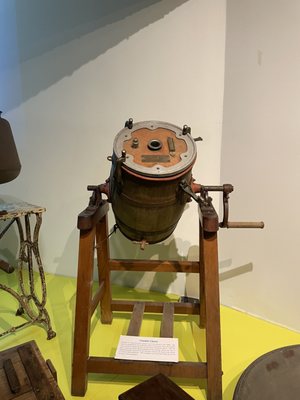
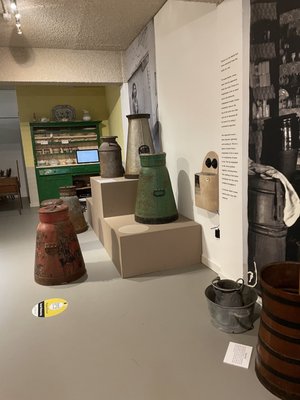
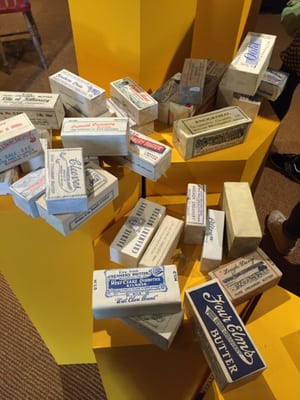
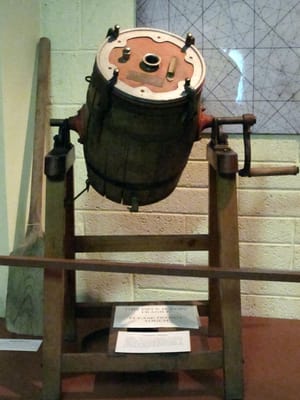
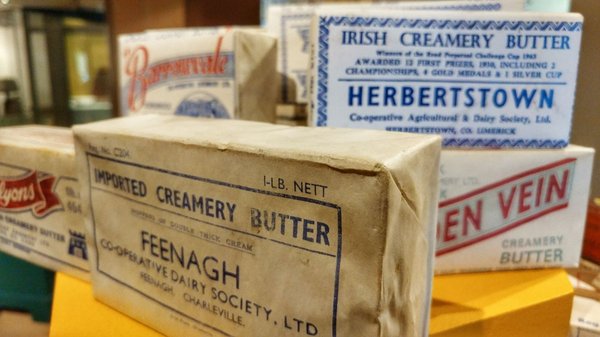
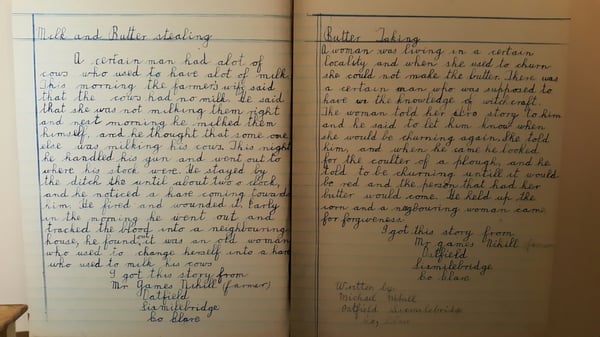
Returning to the rest of the museum was a challenge. We new we had only four hours until closing time and a whole lot of material to cover. This museum had everything. Bog butter, butter paddles, butter on podiums, an out-of-place diorama of two children on a hill overlooking a photograph of Cork (I can only assume the diorama was made out of butter), butter stamps, butter wrappers, butter churns (both the rotary and the vertical kind), a radio that played Doris Waters' famous song "Leave My Butter Alone," along with the sheet music from the same; essays from 1800 school children about butter, butter pans, butter boxes, historical butter prices and maps of the butter roads. How could we possibly prioritize all the items we wanted to see and take everything in?
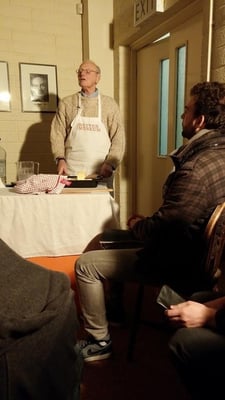
Before leaving, be sure to stop in the gift shop. Unusually small for a significant museum, though. The five best-selling items are announced on a plaque. There are only four items for sale. Egalitarian unisex aprons seem to be the order of the day. Remarkably good value.