The Cathedral Basilica of St. Francis of Assisi
Catholic cathedral · Santa Fe ·
Romanesque Revival cathedral with French design, Spanish heritage


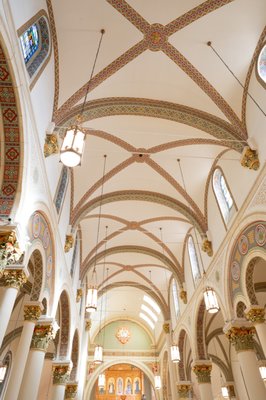

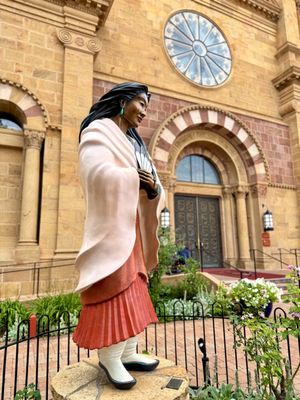
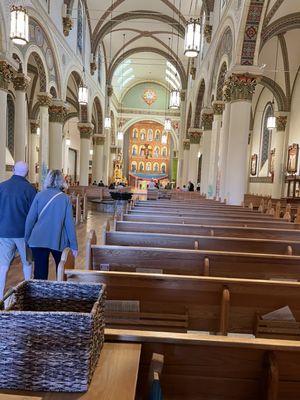
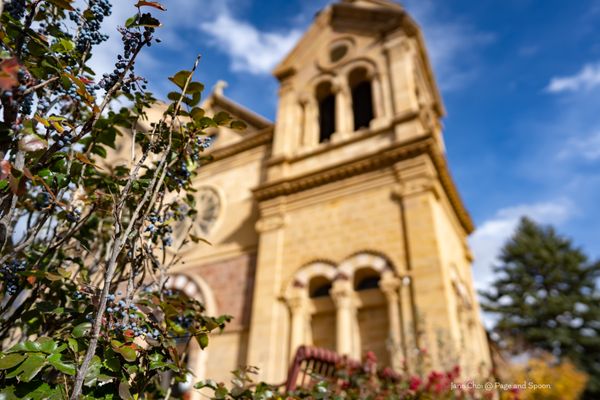
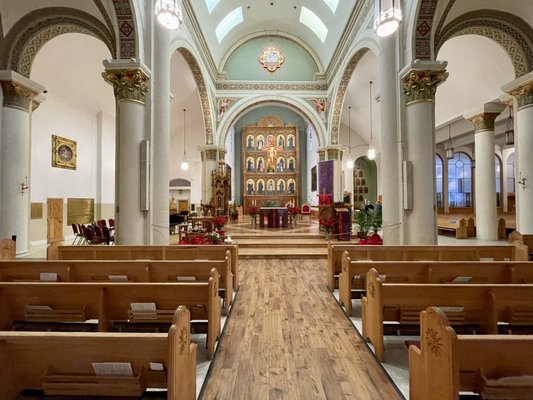
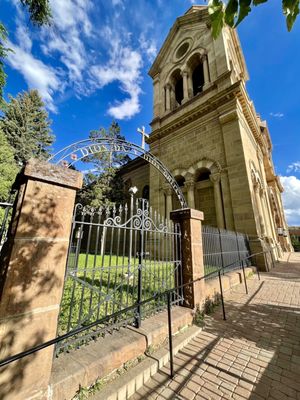

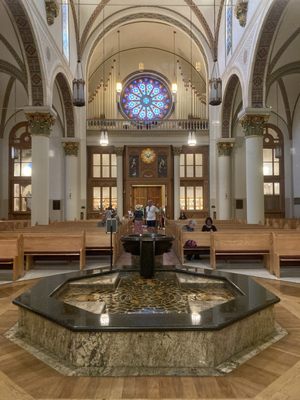
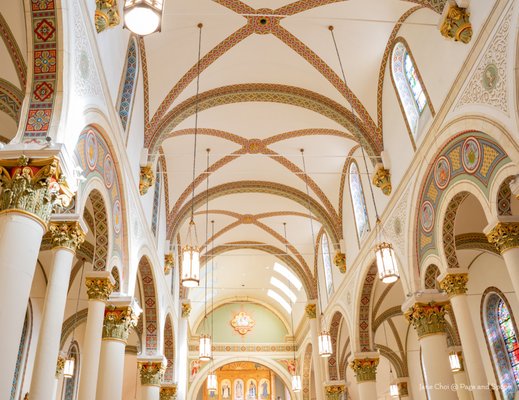

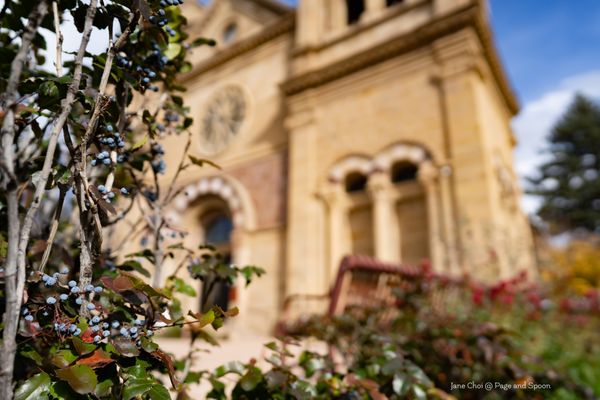

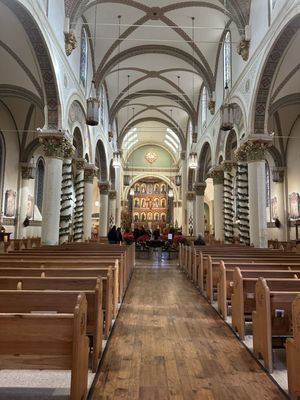


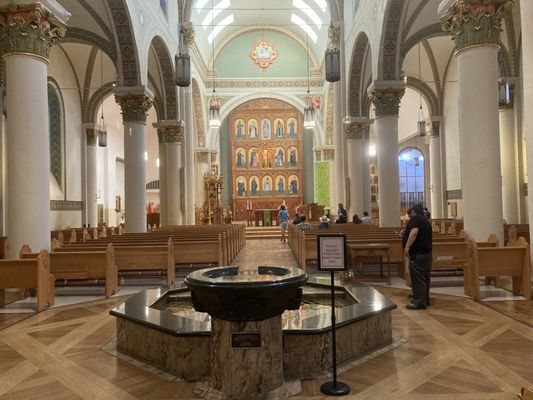

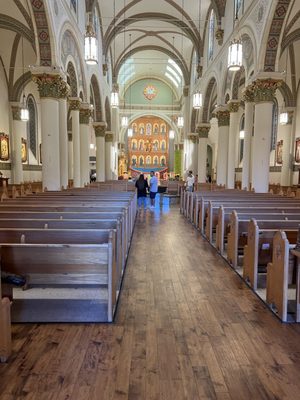


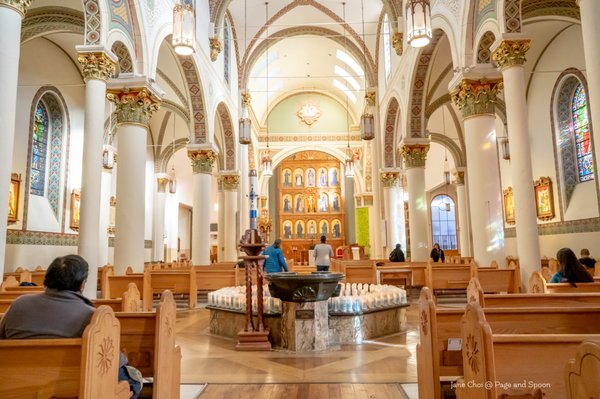
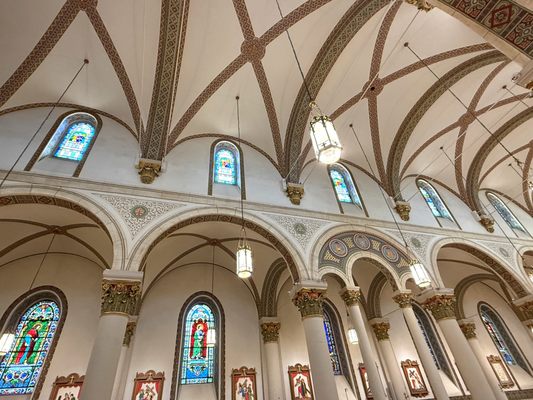


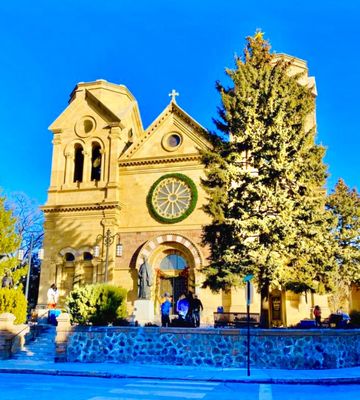
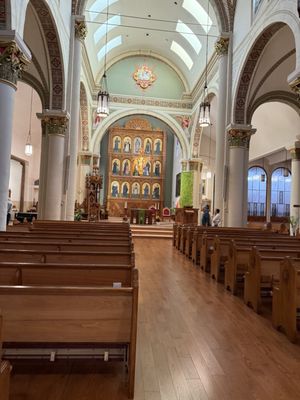

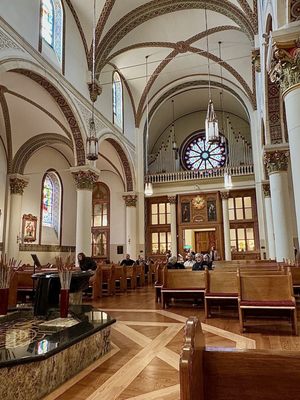
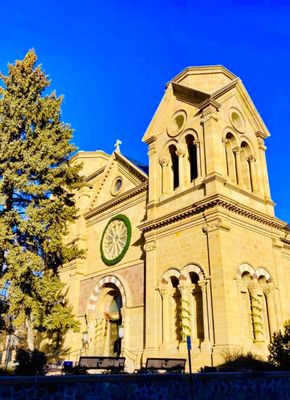
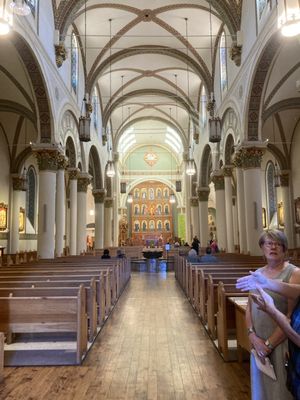



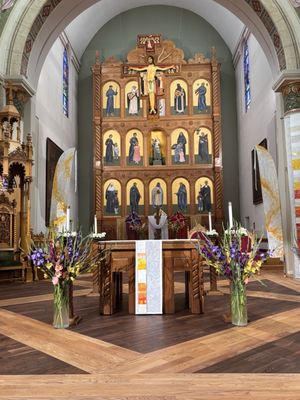
Romanesque Revival cathedral with French design, Spanish heritage
"Crowned by a ruined castle, the town spills downhill to the famous Basilica of St. Francis, named after its hometown boy who made very, very good. Francis' legacy is the town's basic industry: mementos of his life are everywhere — the place where he was baptized, a shirt he once wore, a hill he prayed on, and the church where a vision changed his life. Though the beautifully preserved Umbrian town bursts with flash-in-the-pan Francis fans in summer, just a block or two off the main drag you can find pockets of serenity that make it easy to imagine the peace Francis must have felt." - RICKSTEVES
Life Of A N.
Jerry E.
Anne C.
bartika D.
Xina S.
Kurt G.
Path F.
Felicia M.

Kate C.

Van D.

Lucy H.

Natasha A.

Jim N.

Jared S.

Gary G.

Shannon M.

Diane T.

A C.

Felecia I.

Kate M.

Cheri Y.

Donn D.

Jane C.

Rashi T.

Bonnie G.

Nicole E.

Jo S.

Tiffiny H.

Christine S.

Keasha E.

MIlton S.

Rick G.

Tanja N.
Rick S.

PatrickJ T.

Ed U.

Michelle Z.

Breanna H.

Doreen L.

Samantha M.

Julian D.

Kasventures S.

Ann L.

Steve R.

Yuko H.

Georgie M.

Unique D.

Matt G.

Jessica J.

Susy G.

Marie S.

Michelle M.

Kinnie I.

J Warren R.

Eric B.

Mel M.

Kevin C.
