Naty K.
Yelp
"Without centuries of Christian antisemitism, Hitler's passionate hatred would never have been so fervently echoed." -- Robert Runcie
When you think about it, is baffling to see how many millions of people Hitler brainwashed with his agenda of exterminating certain ethnic groups. I posted a picture showing the incredible turnout at one of his rallies, for your reference. It is hard to believe that people were so easily persuaded to commit such an atrocity toward fellow humans, it's proof that with the right tactics, you can brainwash people to commit mass murder toward anyone that is considered "different" from the rest. Killing in the name of religion has been going on for centuries, and this is no exception.
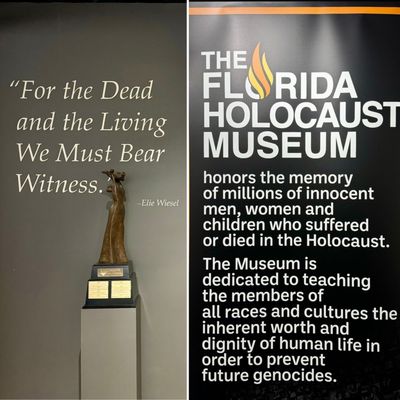
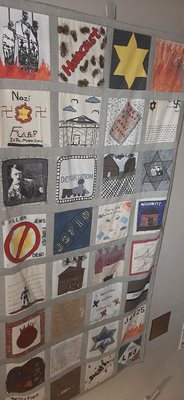
This museum not only documents Hitler's rise to power, but also leaves current and future generations with the message of speaking up against hate, rather than doing nothing, which is essentially, a form of consent. It accomplishes this by providing quotes or examples of hateful messages or apathy, and asks us, the patrons, to consider current examples of racism, hatred toward certain groups of people, negative rumors and stereotypical language in referring to them, and think whether Hitler's legacy still lives on today. It does not take much introspection to realize that sadly, it in fact does exist, and is even practiced by people in power or potential positions of power and leadership, without going into too much detail as to the particular individuals that come to mind.
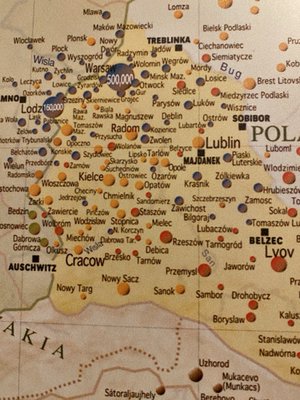
The museum was not only an eye-opening experience for me, despite having visited other Jewish museums here in South Florida, but also educational. Did you know, for example, that Poles were also the target of Hitler's plan for extermination? How about the Roma people? Homosexuals? Jehovah's Witnesses? That's right -- his hatred was not limited to Jews or those with dark complexions that did not fit the "Aryan race" standard; never mind the fact that he, himself, did not fit that standard either, but somehow it was something everyone had to overlook and consider the exception. Something else I learned, Americans haven't always been willing to get involved in international conflict or doing the right thing.
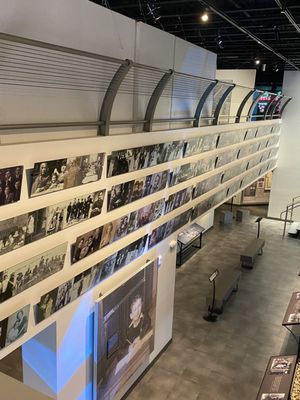
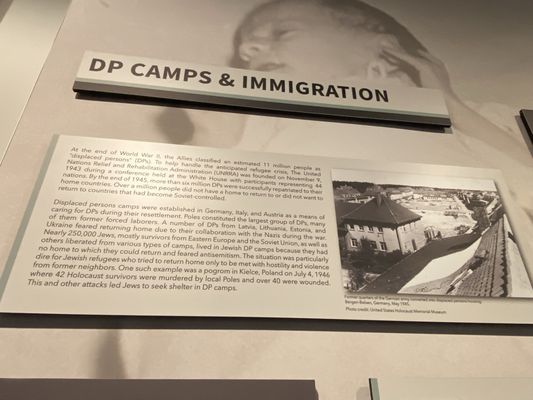
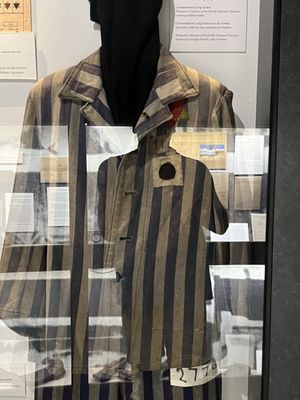
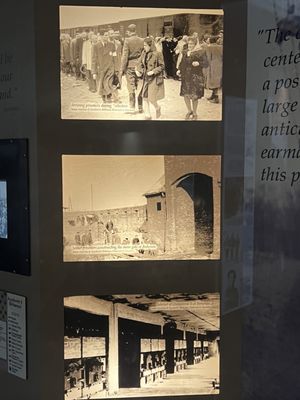
There are several artifacts to be seen here, from prisoner camp uniforms to personal identification cards of concentration camp prisoners, family portraits showing how Jews were required to wear a Star of David at all times, letters, passports, and many other personal items. The pictures of the skeletal concentration camp prisoners are nauseating and upsetting, as are the weapons that were used to beat them into submission, like an animal. It was chilling to see the medical instruments used by Joseph Mengele to commit acts of torture by experimenting on Jews, like lab animals. There are signs throughout, and an audio device that goes into further detail about each exhibit, even providing personal accounts. I highly recommend you take the time to read all the information, and use the audio device. Those claiming this place was "boring" or could be seen within minutes were obviously either too lazy or uninterested in the subject matter.
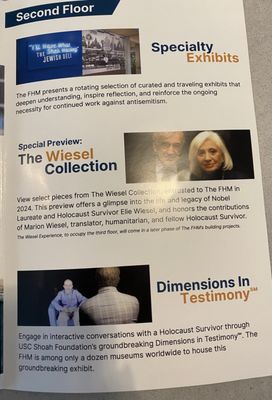
A ray of light came through in the form of the "portraits of courage & sacrifice" section of the museum, showing several average citizens who either helped Jews or spoke up on their behalf. These include Miep Gies (who hid Anne Frank and her family from the Nazis), Marion Pritchard, Oskar Schindler. All these people were heroes and an example to humanity, that intolerance should not be accepted, despite the fact their opinions may not have been the most popular and may have even cost them their lives. You may even be surprised to find out a lot of them were minorities -- Muslims, women, Asians...
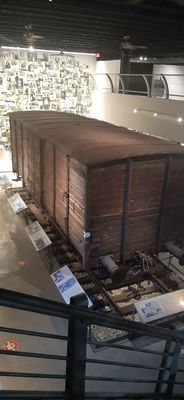
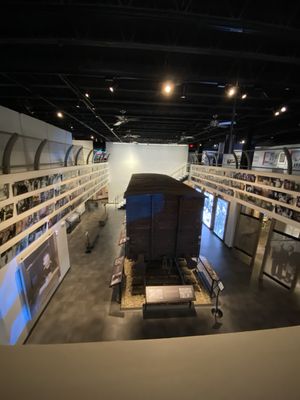
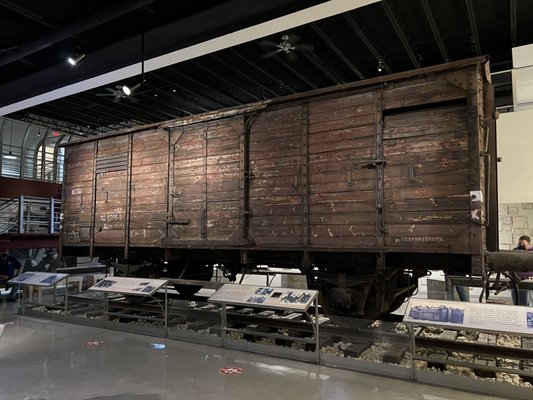
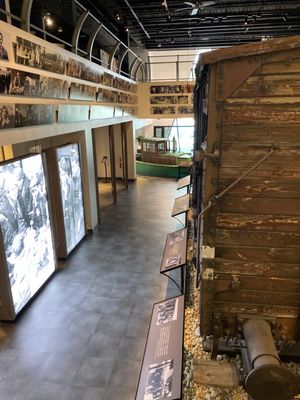
Unfortunately, there is not much of a silver lining in the struggles of the victims of the Holocaust and all it takes is one glance to see the actual boxcar used to transport prisoners to their death. It is in the middle of the room to remind us that horror was always around the corner. I could not help but feel the heaviness in the air while looking at this boxcar, and imagine the hundreds of people stuffed inside, starving, and humiliatingly relieving their bodily functions on top of each other. I was saddened by it but also angry, and powerless.
The topmost floor of the museum contained art by Holocaust survivors like Samuel Bak. You can see the themes of death, sadness, bloodshed, and the horror of having gone through this experience. This museum is a powerful reminder to us all that hate is something passed down through generations, and each one of us can potentially become the subject of hate, and a campaign for extermination. The depravity of the human mind may frighten or anger you, and so it is essential to visit this place with an open mind, but make sure you check your emotions at the door and remember, "those who cannot remember the past are condemned to repeat it."