Vincent L.
Google
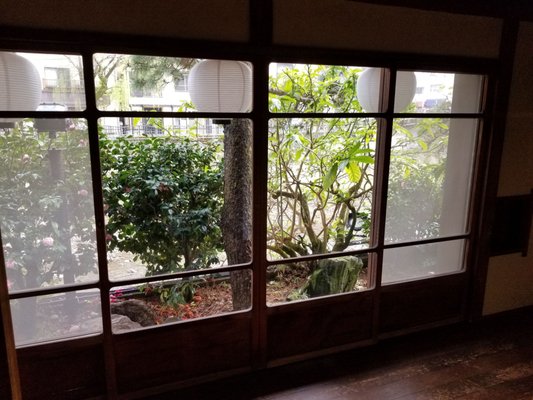
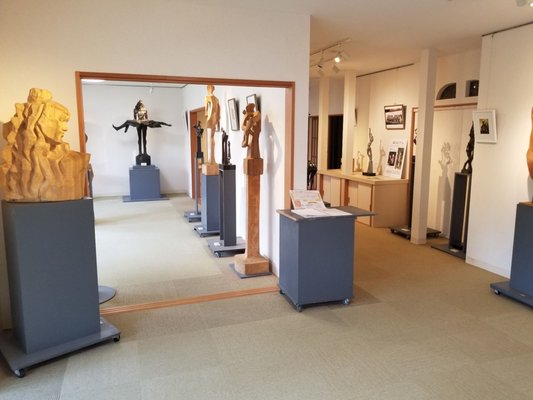
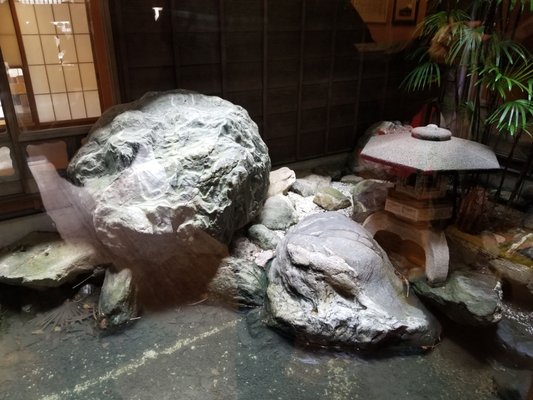
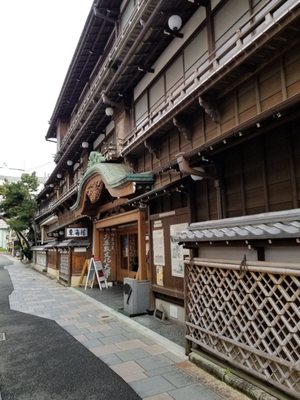
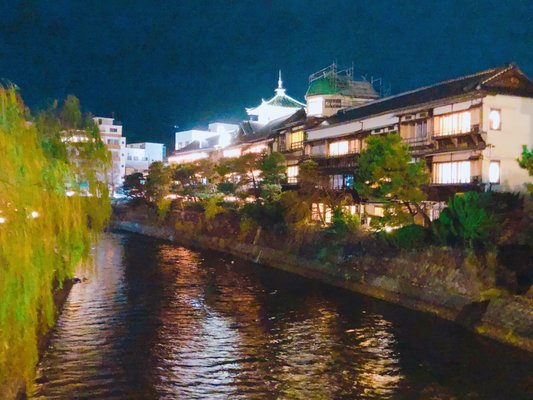
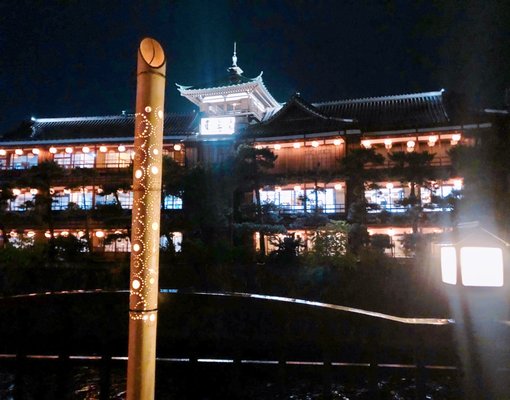
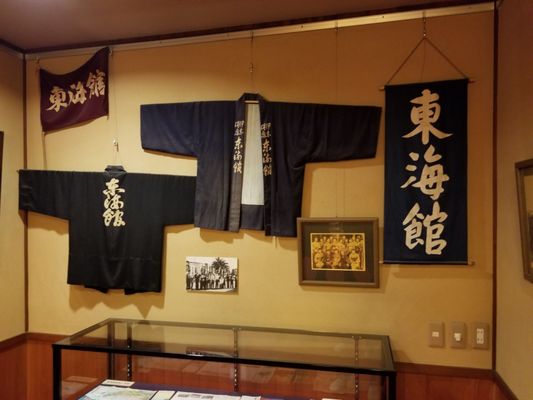
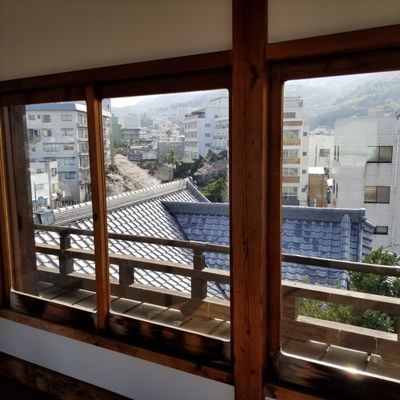
I was lucky to visit on the same day I arrived, as it was located just opposite my hotel in the new district. That day only the museum section was open — the public bath was not operating. I went during the evening illumination, and the beautifully lit wooden building really showcased its historical charm.
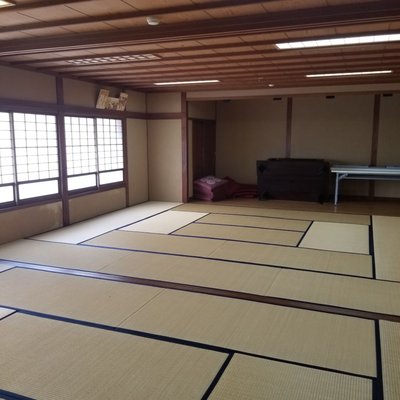
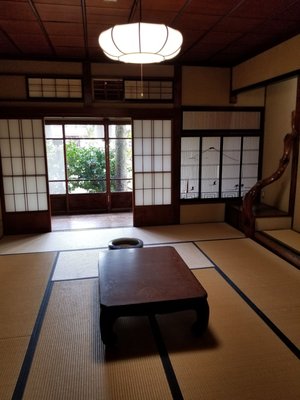
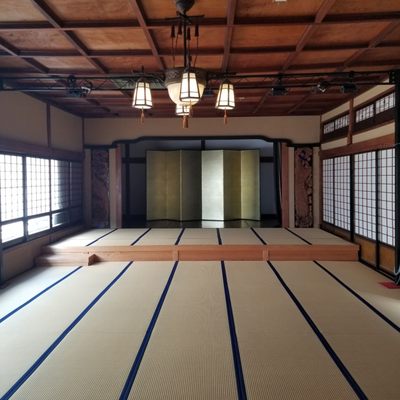
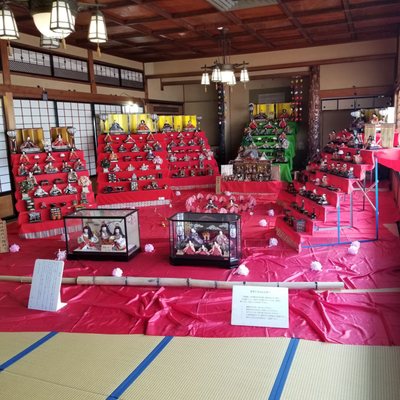
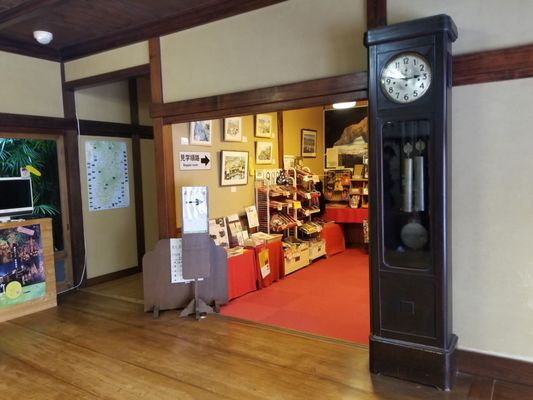
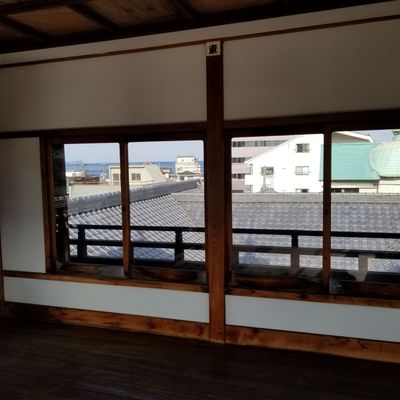
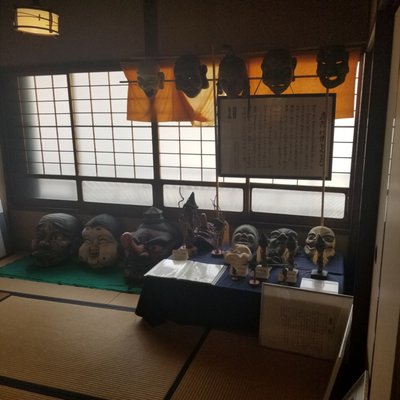
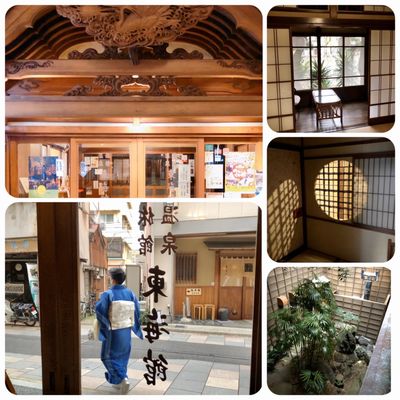
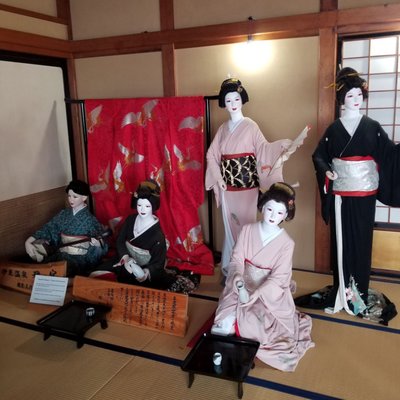
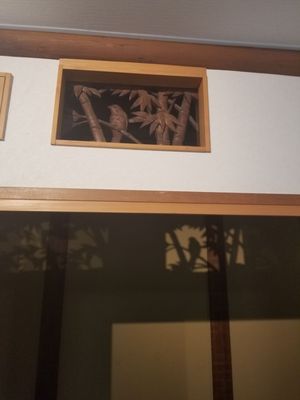
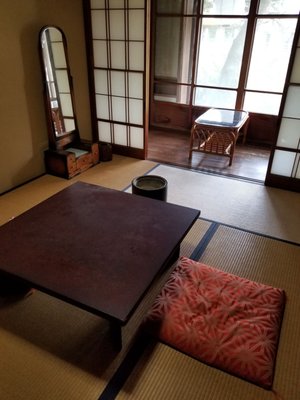
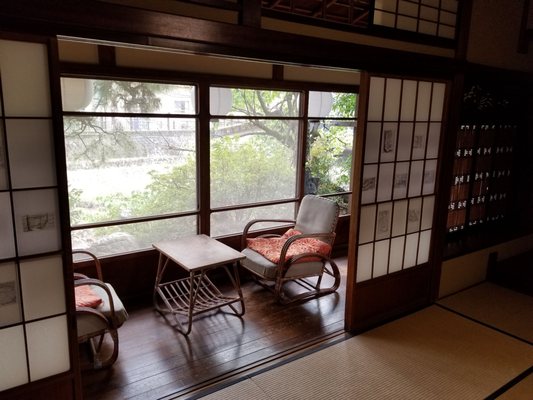
Walking through the corridors and peeking into each preserved guest room and shared space, I learned a lot about how traditional inns once operated. It is truly a cultural heritage treasure. Honestly, it does not need aggressive marketing to prove its value — those who understand its significance will appreciate it naturally.
That said, we have to face reality. Traditional onsen town culture in Japan is gradually declining at different speeds as modern travel patterns change. In the past, travelers needed to stop midway for rest during long journeys. Today, with high-speed transportation, people can cover long distances in a short time. Population concentration in major metropolitan areas also creates staffing challenges for smaller towns.
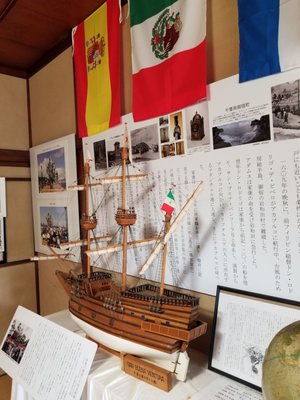
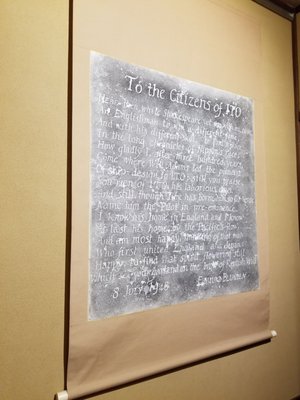
Small family-run inns struggle to compete, while even larger chains face pressure due to limited local demand. What remains — preserved in this museum — is at least a meaningful reminder of that era, and it makes the visit worthwhile.