Uffington Castle
Historical landmark · Uffington ·
Bronze Age chalk horse, Iron Age hillfort, and Dragon Hill legends












Bronze Age chalk horse, Iron Age hillfort, and Dragon Hill legends
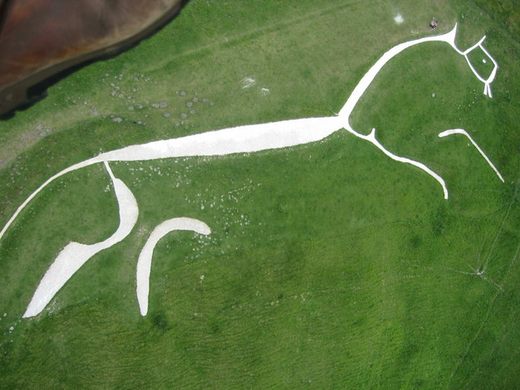
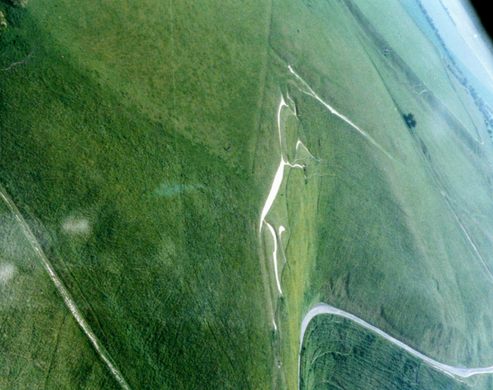
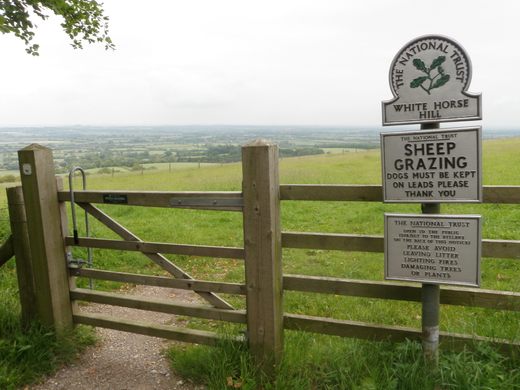
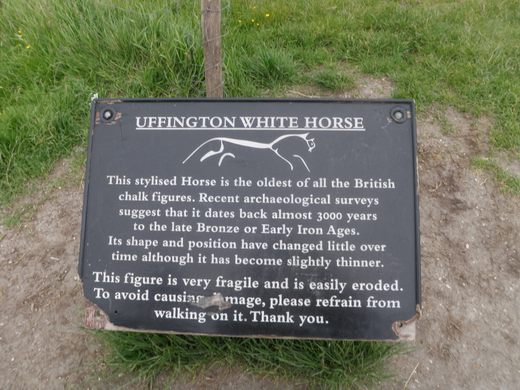
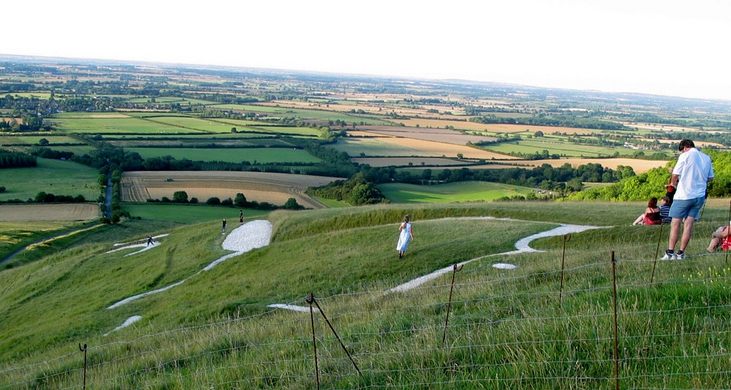
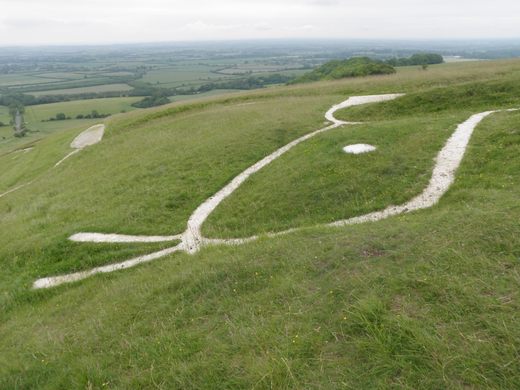
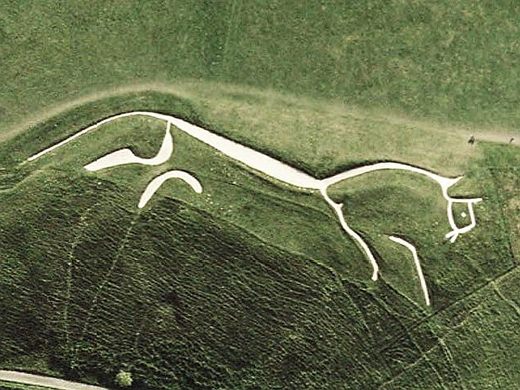
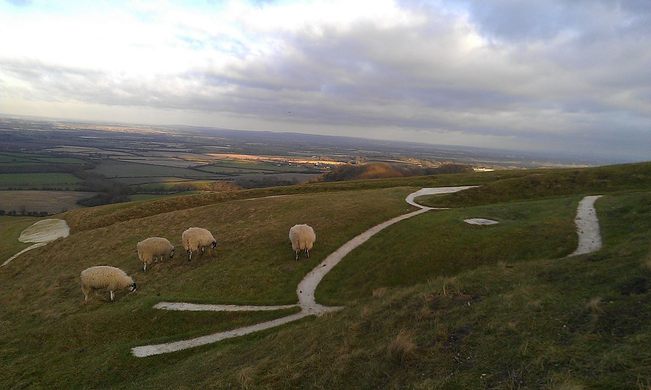
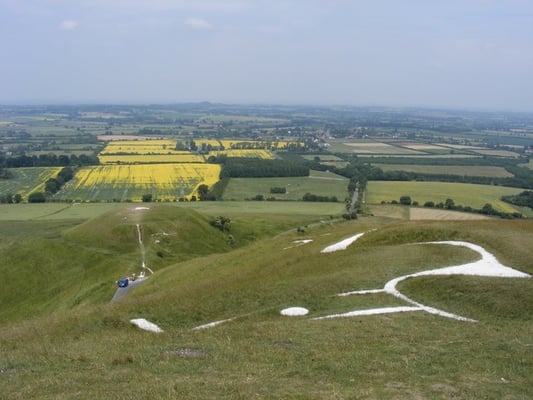
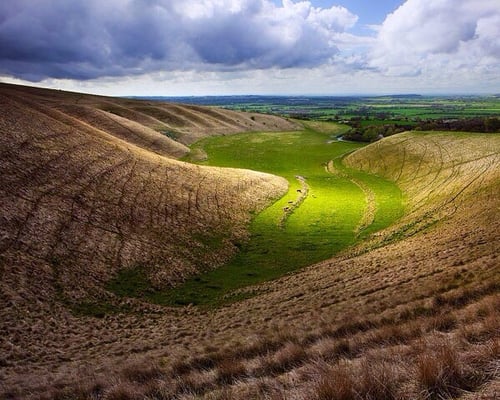
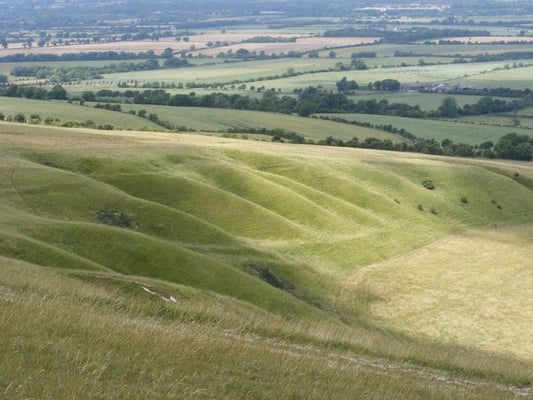
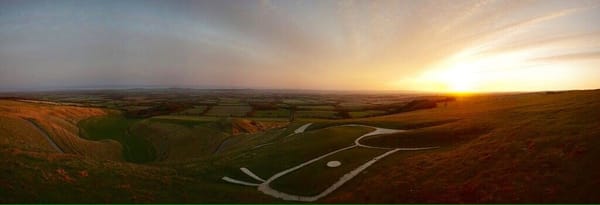
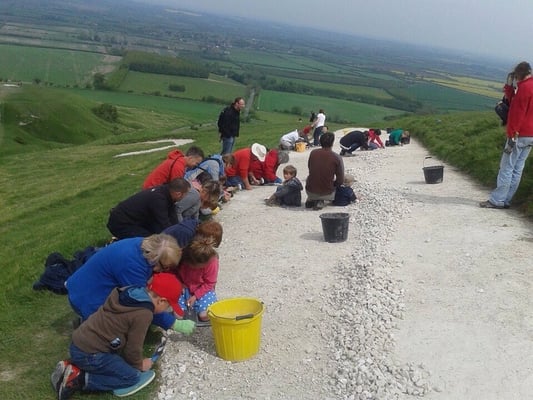
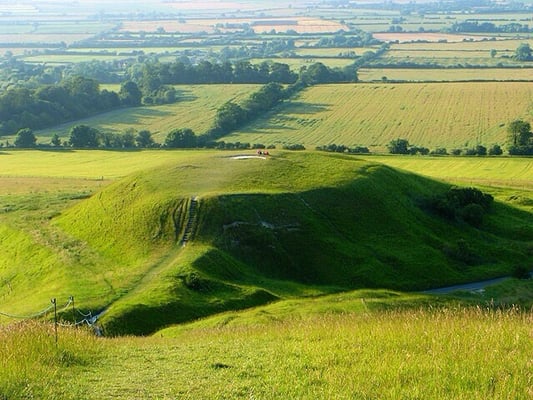
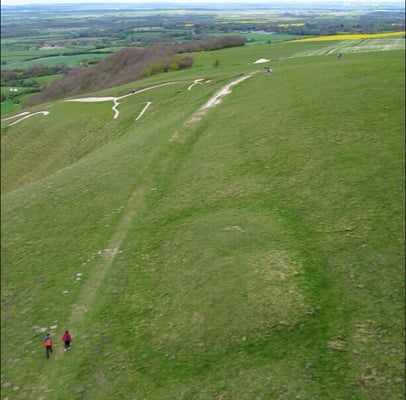
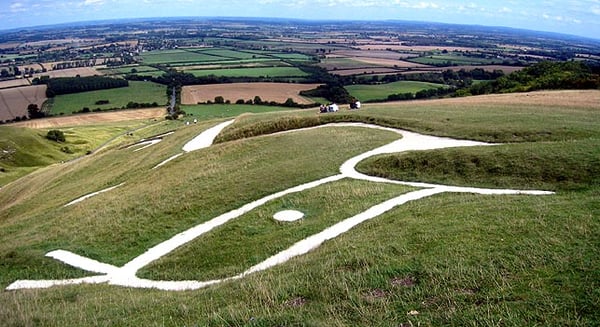
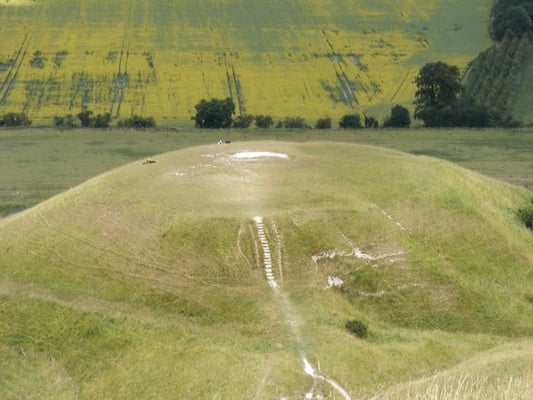
"In an area that includes an Iron Age hill fort and the place where St. George purportedly slew his allegorical dragon, the Uffington White Horse is perhaps the most remarkable site of all. The earliest reference to the Uffington White Horse comes from the late 11th century, by which time it was already a well-established geographical feature. Thus, speculation abounded for centuries as to the origin of the chalk-cut hill figure. Some suggested that it was created during the Anglo-Saxon era, either by King Alfred to celebrate his victory over the Danes in 871 or by Hengist, the first Saxon king, whose emblem was a white horse. Others more fancifully imagined that the figure had some connection to nearby Dragon Hill, representing either St. George’s horse or maybe even the legendarily vanquished dragon. The truth, however, proved to be even more spectacular, as silt dating conducted in 1990 found that the Uffington White Horse was made during the late Bronze Age, making it approximately 3,000 years old — by far the oldest known hill figure in England. Measuring 360 feet long and 130 feet wide, its size and and flowing, abstract style set it apart from all other white horse geoglyphs (and, on the matter of style, it is notable that similarly stylized representations of horses appear on coins found in the area dating back to the early Iron Age). Given its considerable antiquity and renown, it is likely to have served as an inspiration for these other white horses, including the Westbury White Horse and the Osmington White Horse. Routine maintenance is required to keep the figure visible. From at least the 17th century until the 19th century, “scouring festivals” were held every seven years, which included not only clearing vegetation and renewing the faded top layer of chalk but also climbing greasy poles, rolling wheels of cheese down a hill, pipe-smoking marathons, and other peculiarly English funtime activities. During World War II, the geoglyph was fully obscured to prevent Luftwaffe pilots from using it as a navigation aid. Today, the Uffington White Horse is maintained by the National Trust." - ATLAS_OBSCURA
Martin J.
Alan W
Daniel S.
Aga K
Chris G.
Rik
Monika S
Demon72

Qype User (.

Kevin L.
Gary H.

J C.

Qype User (.
Ted Q.
