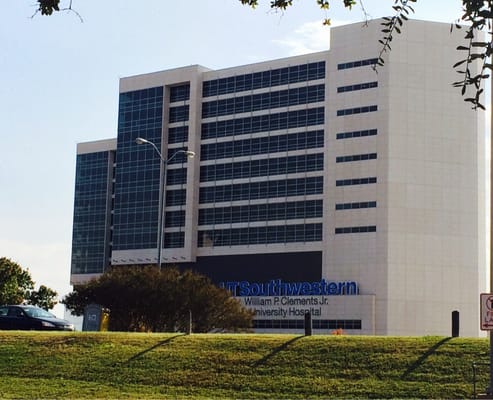
UT Southwestern Medical Center
Medical Center · Stemmons Corridor ·
Medical center with skilled surgeons and specialized care











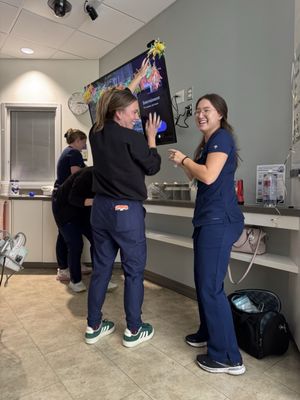
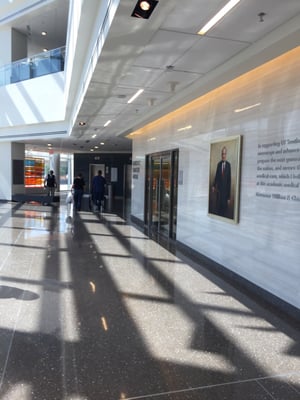


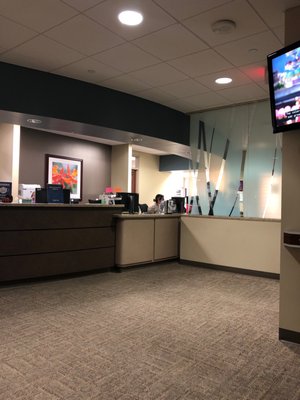


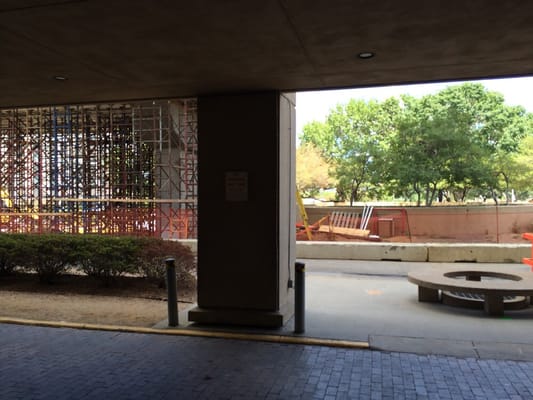

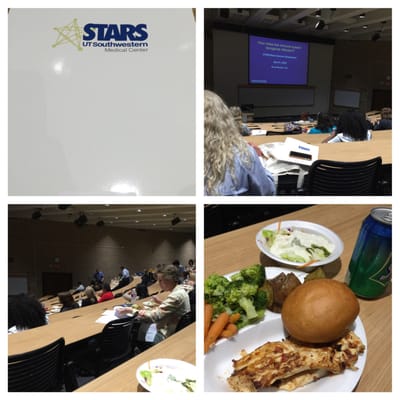
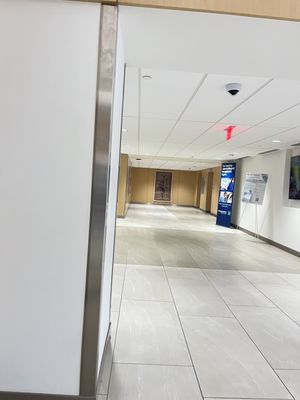




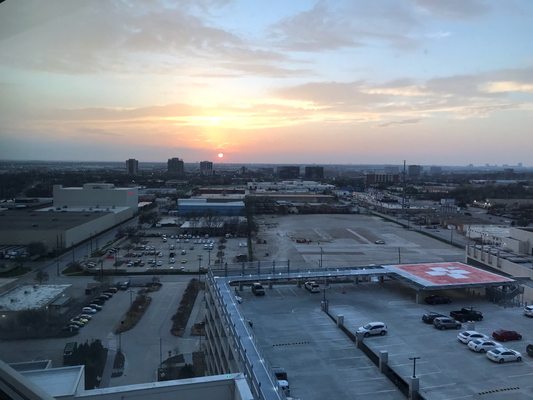

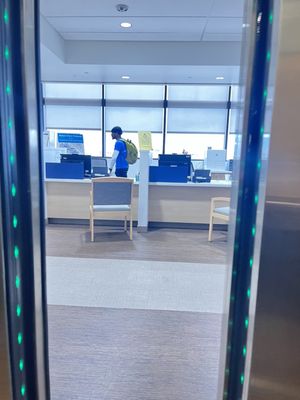


Medical center with skilled surgeons and specialized care
"Also nationally ranked, this medical center offers the specialized care that helps make Dallas–Fort Worth attractive to retirees." - Amanda Ogle Amanda Ogle Amanda Ogle is a writer and editor who specializes in travel, food and drink, sustainability, and general lifestyle topics. Her work has appeared in Travel + Leisure, National Geographic, Condé Nast Traveler, Texas Highways, and more. Travel + Leisure Editorial Guidelines
Jose S.
Tanishuwa E.
Cameron O.
Christopher W.
sienna N.
Shantae C.
Kathleen D.
Lan D.
Roger M.

Martin D.
Jody H.
Oka Y.
Gale H.

Nicholas L.

Anna H.

Chris D.
Chelsi C.
Jack T.
Monra R.

Scott E.

Julie B.

Kim A.
Mary P.
Jonathan S.

Michelle S.
Brittany B.
Zack E.
Jarrett W.

Richard A.

Larry D.
Aaron B.

Mel Z.
Catia W.
R P.

Persephone H.
G C.
Deigo ..
Phil V.
Pascha T.
Noah C.

Andrea C.

Amber S.

Zipporah S.

Heankel O.
Chris H.

Lisa S.
H O.
Frank S.
William F.

Susan C.
Paul F.

Linda O.
Matt N.
Regina D.
Elizabeth B.
Curnelius A.

Andrea B.
