James A.
Yelp
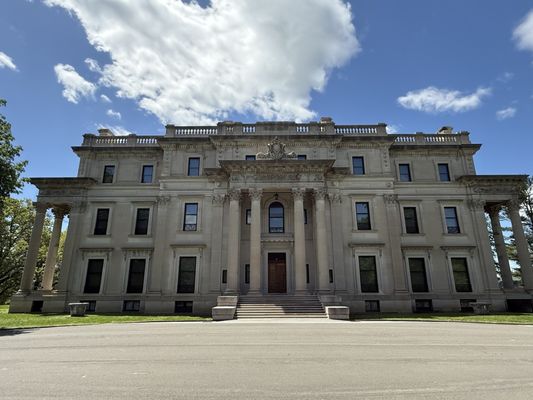
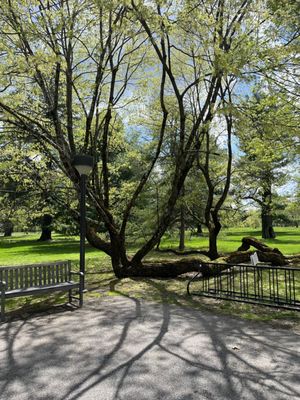
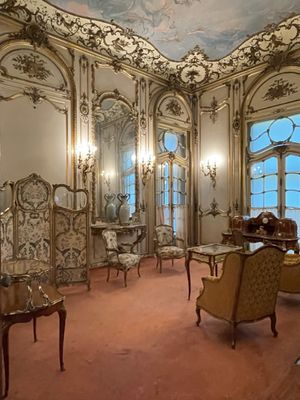
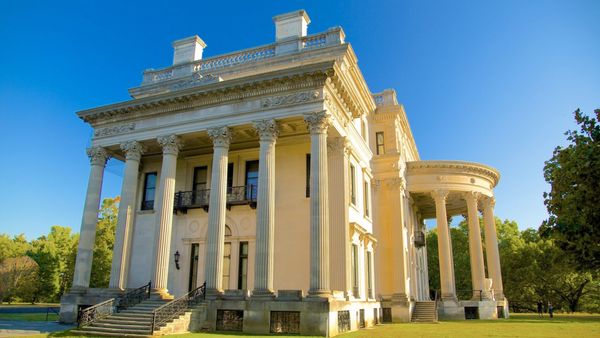
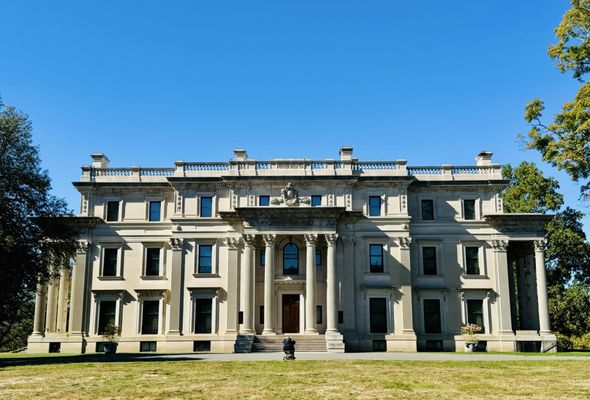
One of a few Vanderbilt mansions open to the public for tours, this mansion and its grounds, located in Hyde Park, NY, is a great example of an opulent summer home built by a third generation scion of the proud Vanderbilt family. My wife and I took the 50 minute guided tour and really enjoyed it.
The Vanderbilt Mansion National Historic Site is part of the National Park Service, thus the annual 'America the Beautiful' pass gets you in, otherwise it's $15 per visitor. The home can only be viewed via a guided tour, lasting about 50 minutes. Our guide was Ranger Ryan, who was very informative . We purchased tickets when we got there, and was able to join the 11 am tour, consisting of about 20 visitors, including us. We started from the visitor center (originally the guest house, free to enter and has itself a lot of valuable information to share, Air conditioned, bathrooms, and a hydrations station), walking outside to the entrance of the home.
Our ranger gave us four rules and a suggestion before we entered the home: Don't touch anything except railings; Stay with the guide, not wandering off; no flash photography; no food or drink (except water). The suggestion was to ask questions: which we did and got some really good and interesting answers. My question was around maintenance. Ryan answered that the admission fee doesn't cover the cost of operations, and that maintenance is part of the Department of Interior's budget which doesn't increase with inflation (and might be cut).
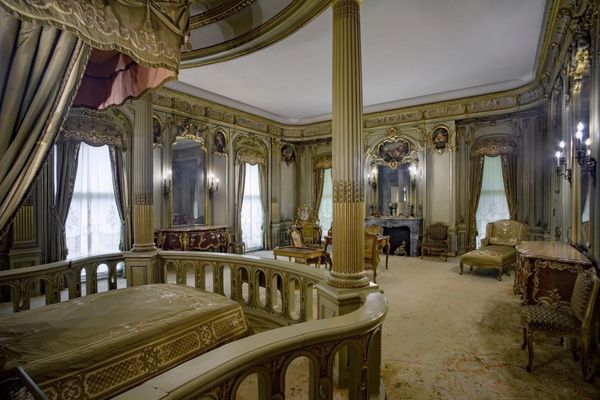
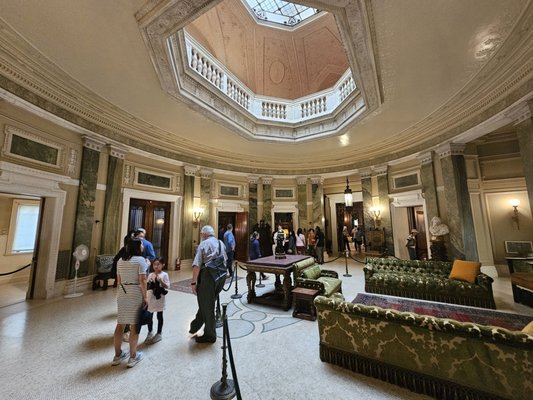
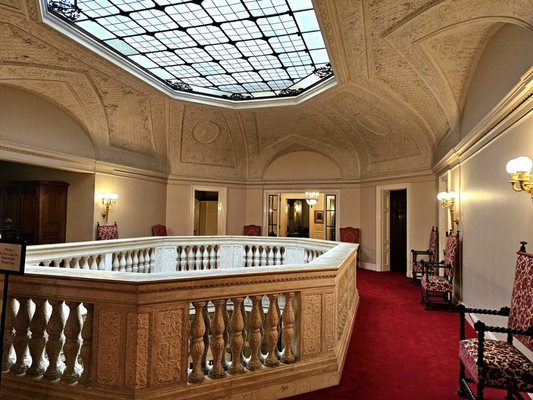
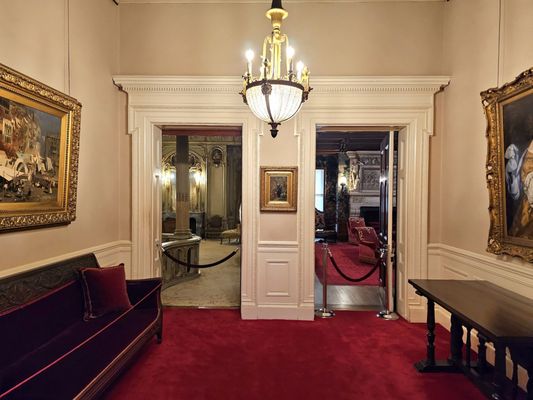
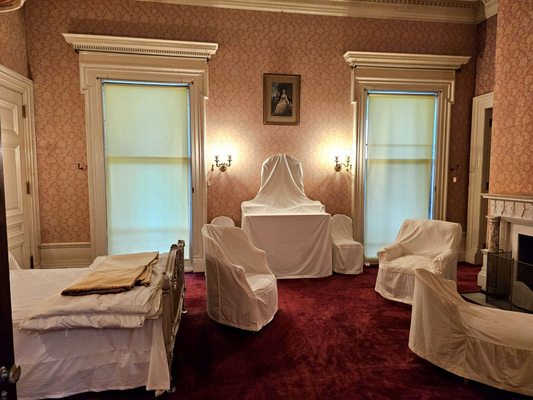
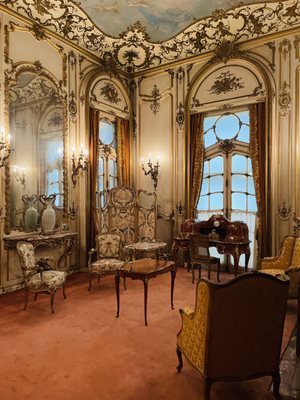
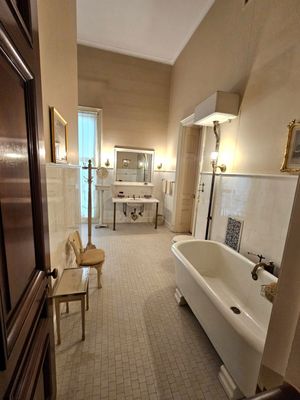
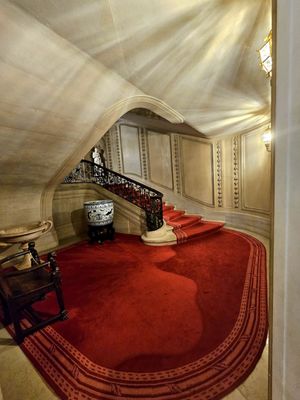
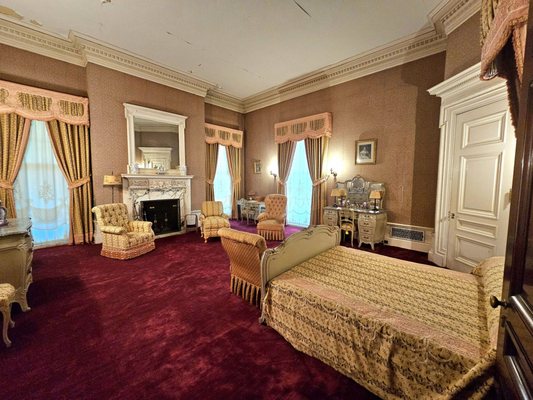
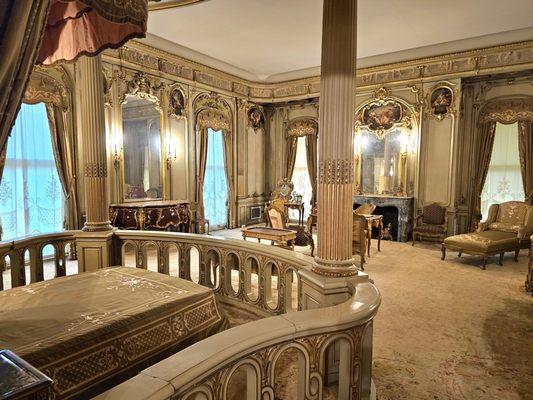
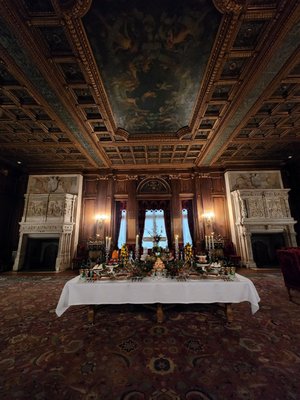
We started at the main foyer. The common theme was that most rooms were cordoned off, but were open for viewing. Twenty seemed to be a good number: not too crowded giving opportunity to view what you wanted without having to wait too long. We walked up the stairs to the second floor where the main bedrooms were. It had 5 guest rooms, and two master bedrooms (his/her) modeled on how European royalty lived.
The home was built just when electricity was becoming available, so the wiring could be reused to light the house. Coal furnaces were used for the cold winters and forced air vents were available on the first floor. However, the mansion is not air conditioned, and large fans were strategically placed throughout for air circulation.
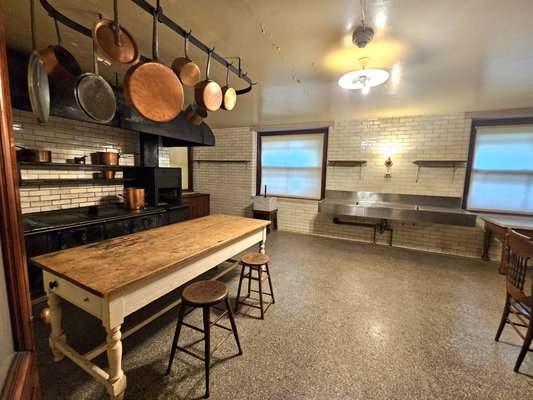
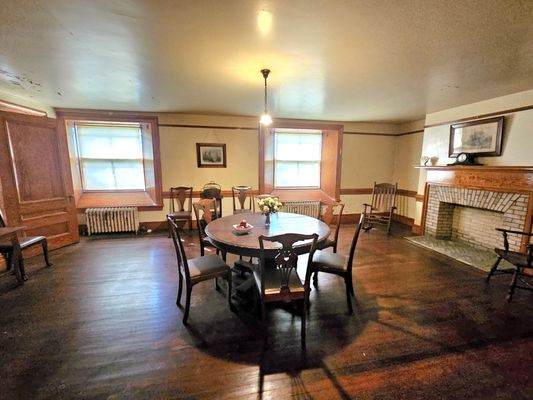
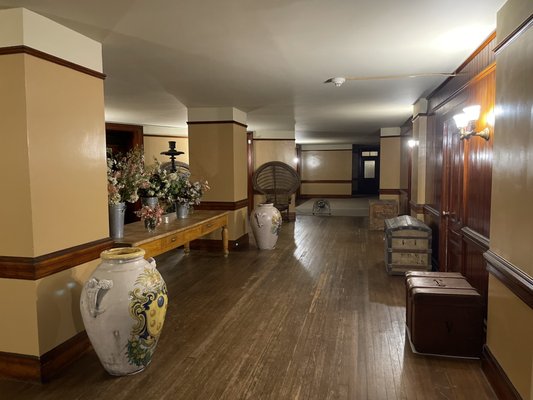
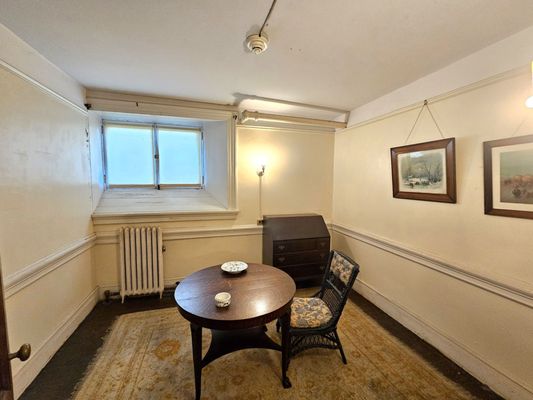
We finished the tour by walking down to the basement (there is a small retrofitted elevator available as well), where there were 8 male servant quarters. We then walked upstairs through the cellar doors, back outside.
Dozens of Vanderbilt mansions were built by this generation. While most of them were torn down, many of them are still around and some available for public tours. The most famous one is the Biltmore Estate in Asheville, NC (owned by the Biltmore Company, whose leadership are Vanderbilt descendants). Many others are owned by non-profit local preservation societies with the mansion in Hyde Park being the only public
There seems to be a renewed interest in the Gilded Age (1870 - 1900), a term coined by Mark Twain to tweak the time as being superficial, with little substance underneath. A new mini-series by HBO highlights this period, and was available on our Delta flight. Visiting the Vanderbilt Mansion is another hands-on way to learn more about the period. We did just that, and enjoyed the experience.
Note: The founder of the family was 'Commodore' Cornelius Vanderbilt, railroad industrialist/robber baron, founder of Vanderbilt University. His son, William Henry, doubled the family's fortunes by continuing his father's practices. It was his children that proceeded to spend down this fortune, with these mansions being a remnant of this practice. This mansion in Hyde Park was the product of his son, Fredrick William, the only one who died with more worth than when he inherited. He had no children, thus passed it down to his wife's niece, who donated it to the US Government. The famous Biltmore Estate was done by his brother, George Washington, and the current owners (Biltmore Company) is run by the great-grandson of George. Finally, the most famous Vanderbilt alive today (Anderson Cooper), family tree is tied to his great-grandfather (Cornelius II), the brother of Frederick. Thus his third-cousin is the one running the Biltmore Company (main revenue source being the Biltmore estate itself).