Duane S.
Yelp
This place is a travesty as far as historic sites or battlefields go. It's touted as being one of the pivotal and important battles of the Civil War, and in many ways it was. However, the Vicksburg battlefield clearly isn't very pivotal or important to the National Park Service.
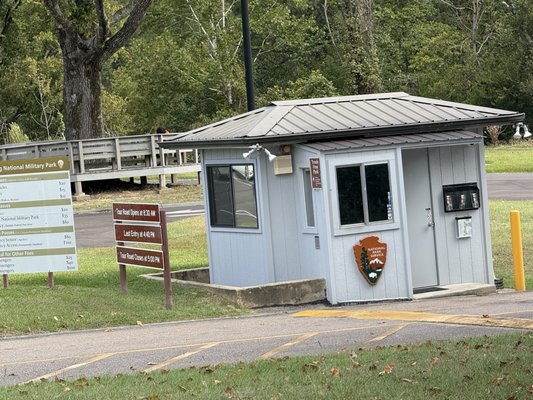
In order to get in, there is a $20 fee. Admission is good for a week, but why should someone coming for a day pay the same as someone coming for a week?
The park closes at 5pm, even in the summer time. It's a remote and wooded area that would be easy for people to get lost in. It's also an area that could be subject to vandalism, so I understand that it wouldn't be open after dark. 5pm? Even in the summer when it doesn't get dark until 9pm? Why not have extended hours during the busy summer season?
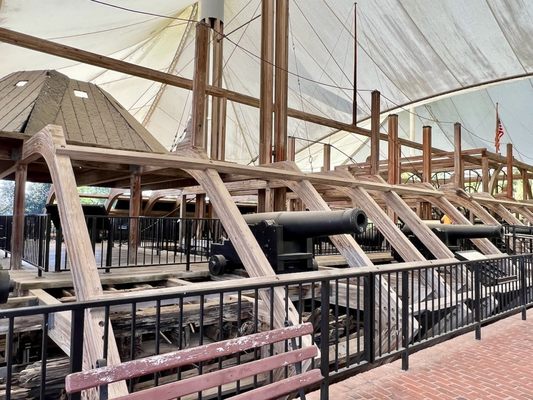
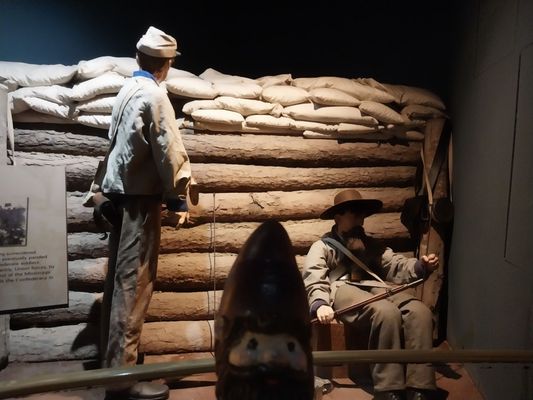
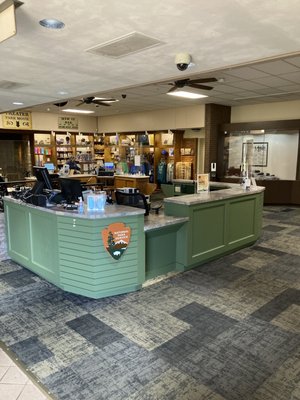
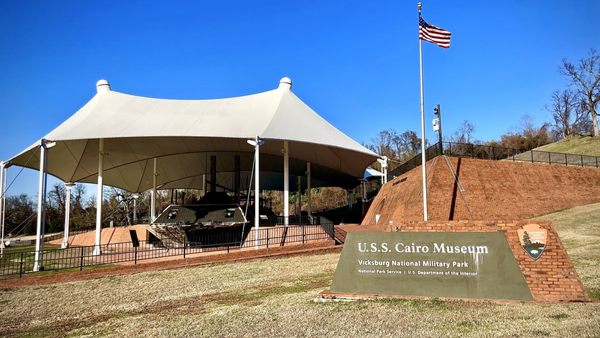
To go to the Visitor Center, you must pay the $20. There's not enough there to even justify half of that. There's a small museum, a short movie, and a gift shop. Why should we have to pay to go to a Visitor Center, funded by our tax dollars, and where they encourage us to spend money?
They charge $20, but they don't take cash. You must use a credit or debit card, even if you have exact change. In other words, a park administered by a US government agency refuses to take US currency. There's so much to say here, but I'll leave it go at that.
For those unfamiliar, Vicksburg was pretty much a siege-type battle. The Confederate army and the residents of the town were trapped and surrounded. No food or supplies in; no one going out.
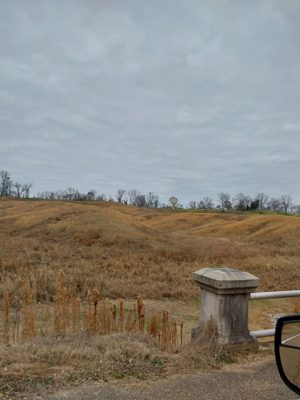
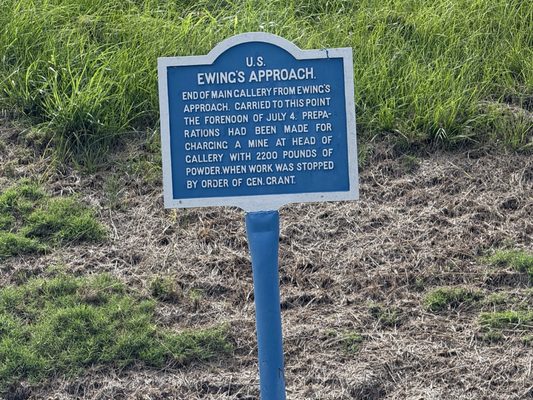
The battlefield itself was pretty much a series of trenches and earthworks, and was a static fight that lasted for a month and a half. There were military engagements during that time. There also were active sharpshooters on both sides daily. Soldiers quickly learned to move fast and to keep down for fear of being shot.
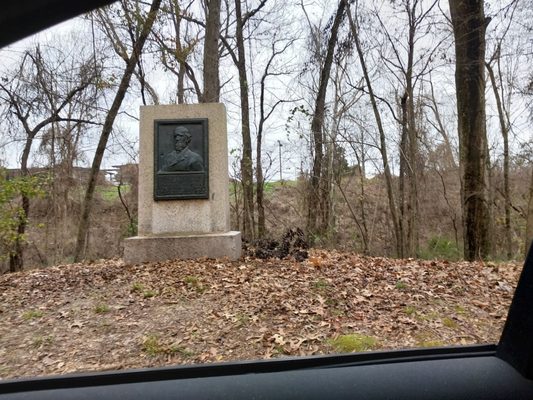
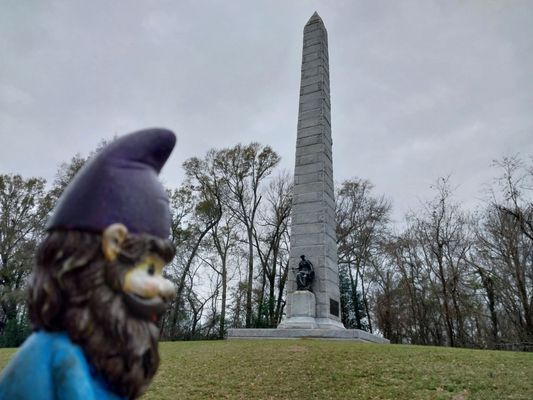
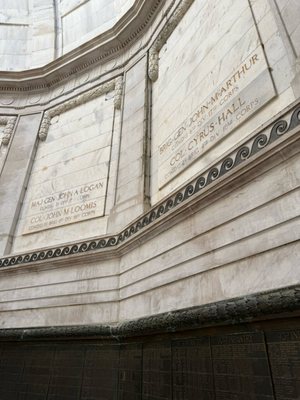
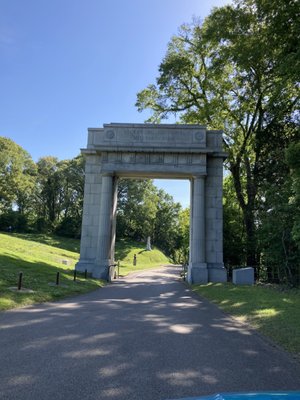
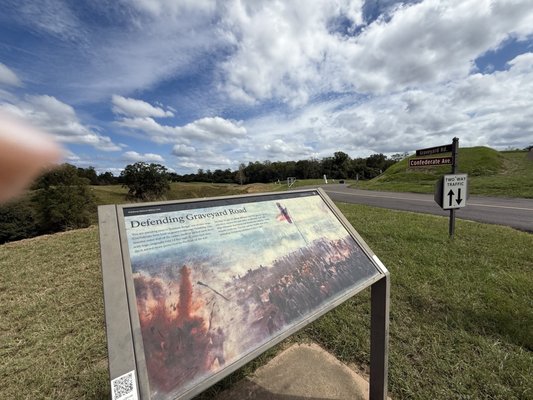
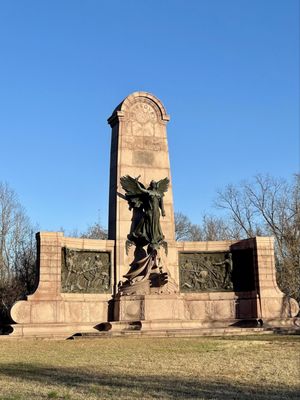
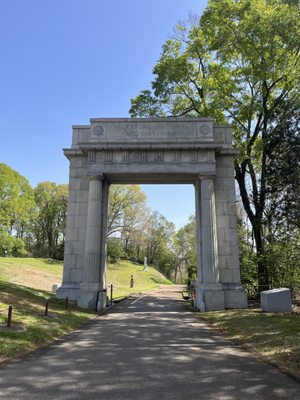
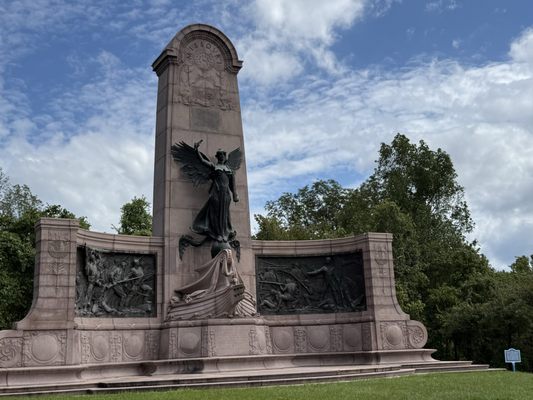
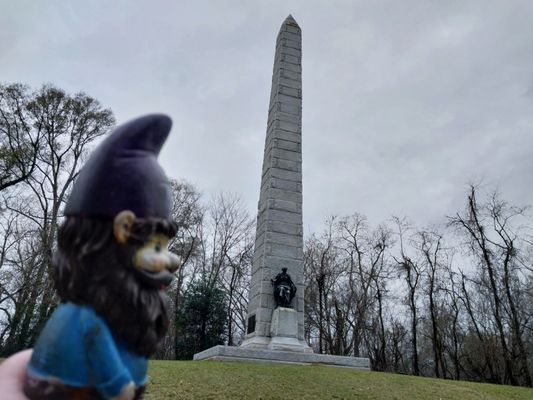
On the Vicksburg battlefield, there are still the remains of many trenches, earthworks, and gun emplacements. Yet, a drive of the auto tour doesn't really show much of them, and interpretation is highly limited. The area is heavily wooded, and the grass is very high and most likely full of ticks, fire ants, and other nasty creatures. Due to the over abundance of trees, many of which obviously weren't there during the battle, and the high grass and out of control underbrush, you can see very little on the driving tour except for trees, branches and leaves, overgrown underbrush, high grass, and a few monuments and markers interspersed among the few cannons on the field. If you do get out to walk around to getting a better understanding, you risk being bitten by ticks and every other insect known to mankind as you plod through the knee high grass. Often, when you get to a significant place on the field, you can still gain very little appreciation for the landscape, the actions, or what the soldiers actually saw. All you'll most likely see are trees and underbrush that obviously weren't there.
It's a tough battle to understand unless you can see the field firsthand. However, in its current state, seeing the field firsthand most likely leaves visitors with more questions after they've left than they had when they came.
Nothing about this place justifies the $20, because with the condition of the roads, the lack of interpretation, the overgrown and out of control vegetation, and the difficult to negotiate terrain, it's obvious that very little is being spent to maintain the place. Upgrades to the interpretation appear to be out of the question. As to cutting back some of the brush and trees to improve the view? You probably have better odds in one of the two nearby casinos.
You can see more of this battlefield by using Google Earth than you can by going there. Google Earth at least shows positions relative to one another, and allows you to understand the directions of action and engagement.
The $20 admission fee provides you with a drive through thick woods and over bad roads.
My advice; stay away. There are many other battlefields and historic sites that are better in terms of both maintenance and upkeep, and in terms of interpretation.
The Gettysburg Battlefield is an example of how well a battle can be interpreted when those in charge have plan, and commit to altering the appearance of the area in regard to the removal of trees and other obstructions . It was done so that positions on the field could actually be seen as they appeared at the time of the battle, and so that what happened in certain areas could be better understood. The Gettysburg battlefield renovation was done only after years of researching photos, sketches, and written documentation, and after hours of consultation with authors, experts, and historians. It wasn't just done to cut down trees; its purpose to try to make the park more closely resemble the battlefield as it was seen by the soldiers in 1863.
Those in charge of Vicksburg should be ashamed of themselves.